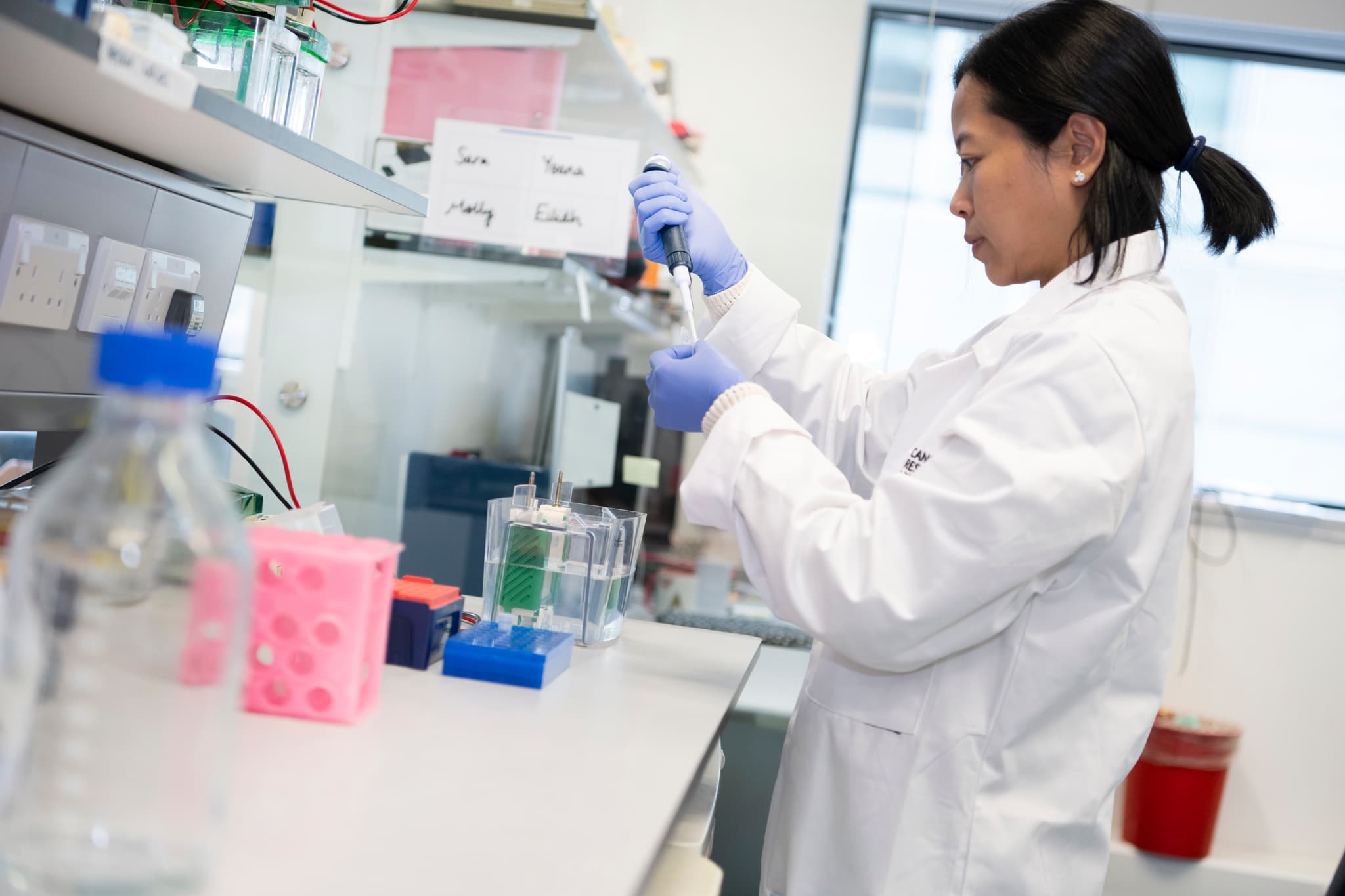
Earlier detection and diagnosis of cancer holds the greatest potential for transformational improvements in patient outcomes.
We’re driving progress in this area and helping establish a sustainable early detection and diagnosis research community. Our statement of intent sets out our approach:
Accelerate early detection discovery and validation to understand the biology of cancer emergence and progression, find the markers and innovate the technology to detect early and accurately.
Accelerate the translation of early detection and diagnosis approaches by working with key stakeholders across sectors and requiring line-of-sight to clinical or population impact for all research investments.
Encourage an integrated, multidisciplinary systems approach by bringing together physical, data and social scientists and engineers alongside biomedical scientists.
Work with partners to fund research that crosses the boundaries between disciplines and considers early and pre-cancer with a whole-system lens.
Engage industry by delivering networking events to build collaborations and supporting research partnerships between academic researchers and industry.
Build capacity and develop infrastructure to grow a sustainable early detection and diagnosis research community.
Support early-career and established researchers from related research fields.
Invest in new cohorts, sample collections and model systems where there is a clear need for resource.
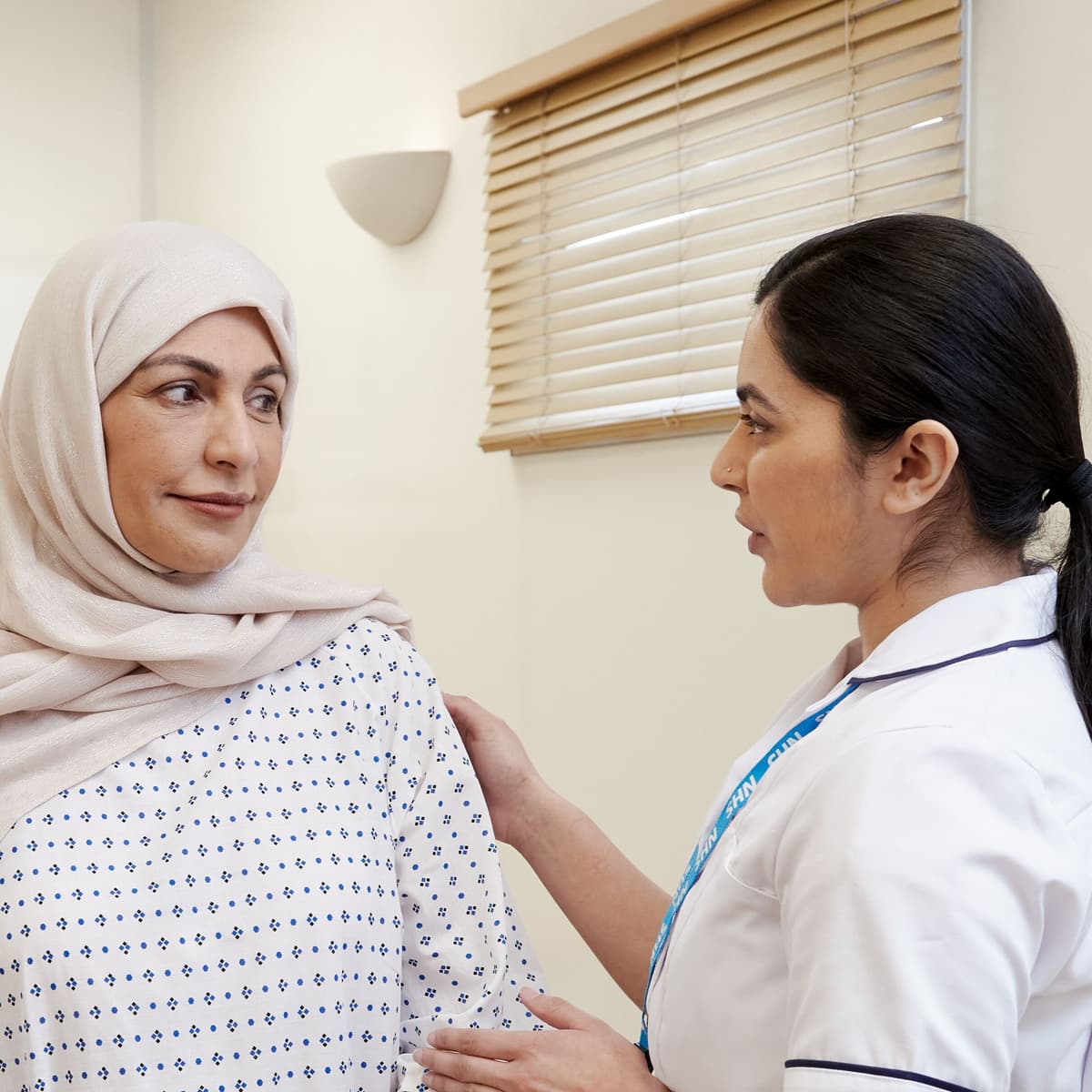
This roadmap to the future aims to unite fragmented efforts across the UK and drive progress in early detection and diagnosis. This work calls on everyone from researchers to regulators, patients, the NHS, the UK government and devolved nations’ equivalent to work together and realise a future where early detection and diagnosis is a routine reality.
ACED is a £50m partnership with the Dana Farber Cancer Institute, The University of Manchester, the German Cancer Research Center (DKFZ), The University College London, Knight Cancer Institute at OHSU and The University of Cambridge. The Alliance unites world-leading researchers from institutions around the globe to tackle the most pressing challenges facing cancer early detection research.

Cancer Data Driven Detection is a joint initiative between the NIHR, the Engineering & Physical Sciences Research Council, Health Data Research UK and Administrative Data Research UK. The consortium aims to generate new data-driven models that significantly increase the accuracy of predicting cancer risk, enabling more precise targeting of early detection and prevention therapies.
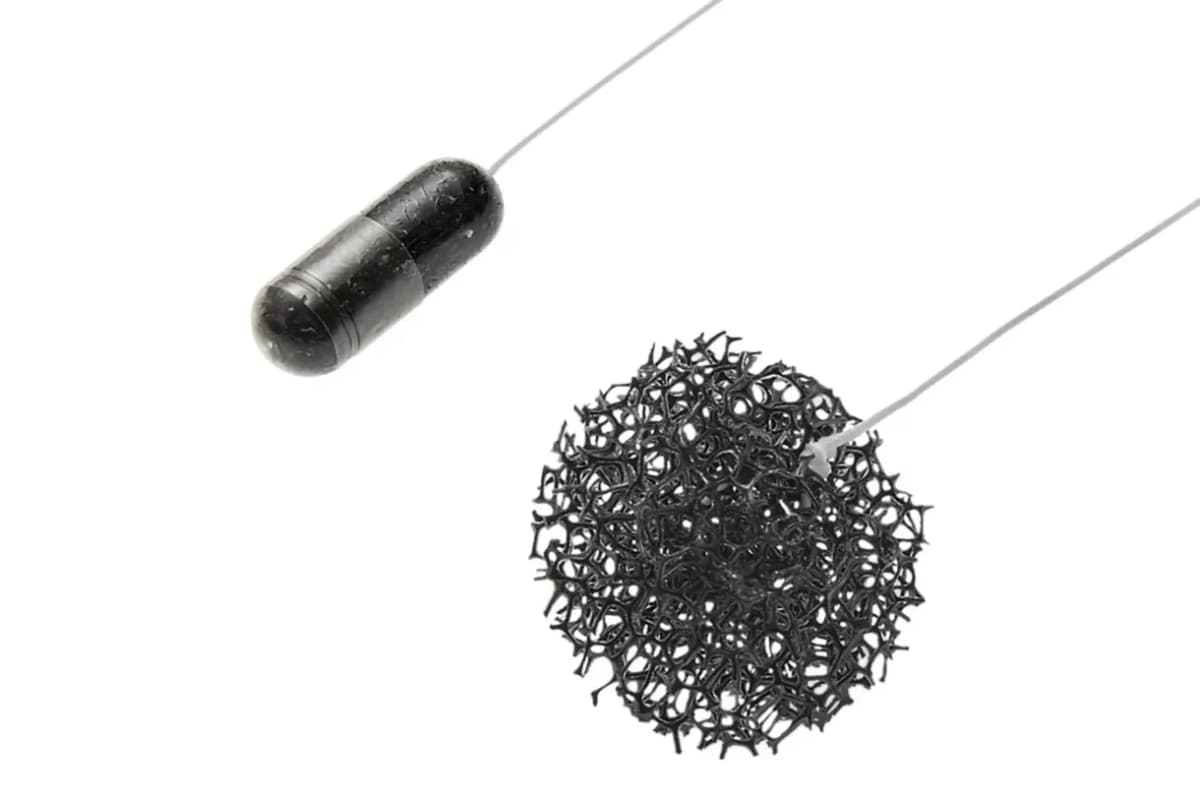
The BEST4 trial, jointly funded with the National Institute for Health and Care Research, will explore if the capsule sponge can prevent deaths from oesophageal cancer when offered as a screening test to people on long-term medication for heartburn – one of the most common Barrett's oesophagus symptoms.
Our Early Detection and Diagnosis Research Committee is responsible for the strategic development, funding and review, oversight and evaluation of our early detection and diagnosis research portfolio.
Find out more about the committee
We fund the best science from across the spectrum of early detection and early diagnosis. We also work with partners to support research that crosses the boundaries between disciplines and considers early and pre-cancer with a whole-system lens.
You can find out who we have recently funded for a taste of the kinds of projects we support.
Explore our recently funded awards
We're committed to supporting careers in early detection and diagnosis research. We encourage new researchers from different disciplines and across all career stages to get involved in this research area, and enable this through our events and in how we fund.
You can access funding and additional support through our committee but also through fellowships, bursaries and other career development opportunities. Early career researchers are also able to observe our funding committee meetings.
Whether you're new to the lab or looking for funding to start your independent research group, we can support you at any stage in your career.
Learn how we can support your research
We host research and translational conferences, meetings and workshops. Join us to hear about the latest science, present your own research and network with our exceptional community.

5-7 October 2027
Heidelberg, Germany
Co-hosted with the German Cancer Research Center (Deutsches Krebsforschungszentrum, DKFZ) and OHSU Knight Cancer Institute, we bring together leaders, scientists and innovators from multiple disciplines to share ground-breaking research and progress in early detection.
Join us for three days of knowledge-sharing scientific sessions, networking opportunities and thought-provoking debates on the big questions facing early detection.
Watch this space - registration opens soon
Explore the latest articles and blogs for researchers, featuring advice, guidance, network updates and research projects.
Fresh from his Impact Award announced at the Early Detection of Cancer Conference 2026 in Edinburgh, Allen Chan gets into cDNA, future hopes and getting from discovery to clinical application.
Many thanks to all the entrants of September’s Research is Beautiful image competition – here is our worthy winner… Congratulations to Andrea Lampis of The Institute of Cancer Research for his immunofluorescence image of human neuroblastoma – a rare childhood cancer.
How researchers paved the way for the NHS to offer ‘at home’ testing to those who are overdue screening.
We work collaboratively with a broad network of researchers, funders and other partners to provide recommendations and insights related to the latest in early detection and diagnosis.
View a snapshot of some of our latest publications and other useful resources.
Are you interested in our policy initiatives to enable implementation of early detection and diagnosis in the health care system? Explore early diagnosis initiatives, tools and information to support health professionals in increasing the early diagnosis of cancer.
Access early diagnosis resources
Our bi-monthly early detection and diagnosis research newsletter includes information on the latest funding opportunities, events and developments in early detection and diagnosis research.
Are you looking for available funding opportunities in your research area? We can help you find what’s suitable for you.