Stages, types and grades of oesophageal cancer
Staging is very complicated. It depends on:
what type of oesophageal cancer you have (squamous cell or adenocarcinoma)
the grade of your cancer (how abnormal the cells look)
whether doctors stage your cancer using tests and scans (clinical staging) or after surgery (pathological staging)
When you read the information on this page, it's helpful to know what type of oesophageal cancer you have and whether the doctor is using pathological or clinical staging. Talk to your specialist doctor or nurse if you are unsure. They can help you understand more about your cancer stage.
Read more about how doctors stage oesophageal cancer
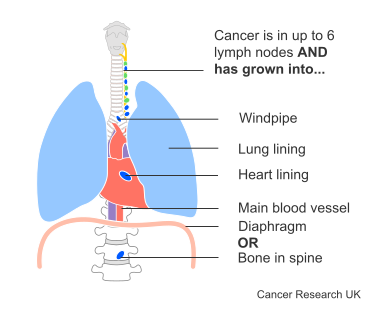
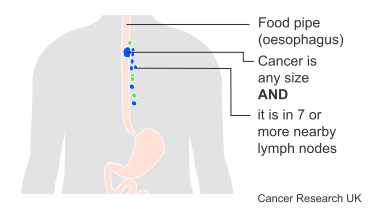
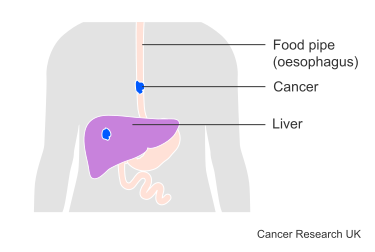
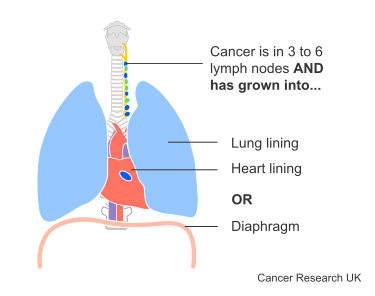
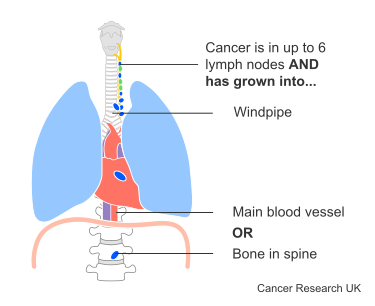
Doctors use different systems to stage oesophageal cancer. This page is about stage 4 cancer, which is part of the number staging system. This system has 5 stages, stage 0 (high grade dysplasia) to stage 4.
This page also tells you what stage 4 means in the TNM system. This system describes:
the size of the primary tumour (T)
whether the cancer has spread to the lymph nodes (N)
whether the cancer has spread to another part of the body (M)
Read about the TNM staging system for oesophageal cancer
Squamous cell cancers develop from squamous cells that make up the inner lining of your oesophagus.
Clinical staging means your doctor uses test and scan results to stage your cancer. This is different to pathological staging, which doctors use after surgery.
Your doctor might tell you your clinical stage to begin with. And if you go on to have surgery, your stage might change when the doctor finds out your pathological stage.
Adenocarcinomas are cancers that develop in gland cells. These cells make mucus in the lining of the oesophagus.
Clinical staging means your doctor uses test and scan results to stage your cancer. This is different to pathological staging, which doctors use after surgery.
Your doctor might tell you your clinical stage to begin with. And if you go on to have surgery, your stage might change when the doctor finds out your pathological stage.
Your treatment depends on how far your cancer has spread.
If your cancer hasn't spread to distant body parts, such as the lungs or liver, you might be able to have:
chemoradiotherapy on its own or before surgery
chemotherapy and surgery
targeted or immunotherapy drug treatment
If your cancer has spread further and you can't have surgery, then your treatment aims to control the cancer and maintain a good quality of life. You might have:
chemotherapy
radiotherapy
targeted or immunotherapy drug treatment
symptom control, such as treatment to help you swallow food
Read about treatment for oesophageal cancer
Last reviewed: 21 Aug 2023
Next review due: 21 Aug 2026
Survival depends on many factors including the stage and type of your oesophageal cancer.
Advanced oesophageal cancer means your cancer has spread to other parts of your body.
The stage of a cancer tells you how big it is and whether it has spread. It helps your doctor to know which treatment you need.
You usually start by seeing your GP. They might refer you to a specialist and organise tests.
There is support available to help you cope during and after oesophageal cancer treatment. This includes diet tips to help you eat well.
Oesophageal cancer starts in the food pipe, also known as your oesophagus or gullet. The oesophagus is the tube that carries food from your mouth to your stomach.

About Cancer generously supported by Dangoor Education since 2010. Learn more about Dangoor Education


Search our clinical trials database for all cancer trials and studies recruiting in the UK.

Connect with other people affected by cancer and share your experiences.

Questions about cancer? Call freephone 0808 800 40 40 from 9 to 5 - Monday to Friday. Alternatively, you can email us.