Constipation
To understand what causes constipation, it helps to know how your bowel works.
The bowel is made up of the small and large bowel, which makes up a part of the .
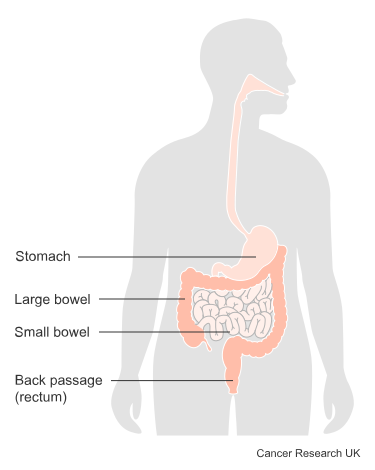
The small bowel makes up most of the digestive system and helps your body to digest food and take in vitamins. Anything that has not been digested or absorbed, moves onto the large bowel.
The large bowel includes the:
colon
back passage (rectum)
back passage opening (anus)
The large bowel draws water and nutrients into the body from the food you eat and drink. As the digested food passes through the colon, the waste matter or poo gradually forms.
The poo is stored in your rectum, or back passage, until it is ready to pass out of your body as a bowel motion.
The muscles in your bowel help to push the poo into your rectum. When it gets to your rectum the poo should be formed enough to pass through comfortably. But you can become constipated if:
too much water is drawn back into the body from the bowel
the muscles in your bowel are weak and slow
Long term or chronic constipation means difficulty having a poo that can last for several weeks or longer.
The following cancer treatments can cause constipation:
Some drugs and cause constipation. This is because they can affect the nerve supply to the gut.
Unfortunately, some anti sickness drugs and painkillers can make this worse.
After surgery to your bowel, your bowel muscles might be weaker. This may be temporary, but sometimes it can be permanent. This depends on the type of operation you have.
There are several factors that can cause constipation after abdominal surgery. Some of these include:
weak muscles, making it more difficult to push the poo out
your tummy being too sore for you to push out the poo
the or pain relief medicines you have had
not being able to eat or drink for a few days after your operation
damage to the nerves that help the bowel to work properly
A tumour that presses on the nerves in your spinal cord can slow down or stop the movement of your bowel. This causes constipation.
Tumours in the abdomen can squash, squeeze, or narrow the bowel and rectum making it difficult for you to have a bowel motion.
Or a tumour in the lining of the bowel can affect the nerve supply to the muscles and cause constipation.
Constipation is also a side effect of many types of medicines. Some of these medicines help to control cancer symptoms or reduce side effects from cancer treatments.
Your doctor or nurse will also prescribe medicine to help prevent constipation.
The most common medicines to cause constipation in people with cancer are:
painkillers, especially morphine based drugs (opioids)
anti sickness medicines such as ondansetron
Other medicines that can cause constipation are:
some blood pressure medicines
anti depressants
vitamin supplements, such as iron
drugs to stop fits (anti convulsants or anti epileptics)
drugs for Parkinson’s disease
drugs to make you pee (diuretics)
some medicines for indigestion (antacids)
It is important to tell your doctor or pharmacist if you are taking over the counter medication for constipation.
Fibre helps to keep our bowels working regularly. If you eat plenty of foods high in fibre, you're less likely to become constipated. The daily recommended amount for adults is 30g of fibre each day.
Fibre is found in foods like wholegrains, fruit, vegetables and pulses like beans and lentils.
If you feel unwell, you might find it hard to eat enough fibre. Speak with your healthcare team if you are unwell and finding it difficult to eat.
Find out more about diet and constipation
Your body needs plenty of fluid to help poo stay soft and pass easily through your bowel. You can become dehydrated and begin to have problems with constipation if you don’t drink enough.
Being physically active means any movement that uses your muscles and more energy than when you’re resting.
Not moving enough can reduce muscle tone in your abdomen and bowel. This slows down the movement of poo through your gut.
Regular physical activity can be walking to the shops, walking up the stairs, gardening or dancing. It doesn’t have to mean joining a gym or an exercise class. Moving more will help keep your bowels working properly.
Read more about exercise and cancer
As we get older, the way our bowels work tends to change. This might be due to being less active or changes to your diet. So there is a higher risk of constipation.
Some people find it difficult to open their bowels away from the comfort of their own home. Others find that a busy lifestyle stops them opening their bowels.
Research has shown that people who ignore the urge to open their bowels are more at risk of constipation. Water is drawn out of the poo as it sits in the rectum and so it gets harder and more difficult to pass. It is always best to listen to your body. Try to go to the toilet when you feel the urge to have a bowel movement.
People with cancer may suffer from depression and anxiety. These conditions can sometimes lead to constipation.
Nerves link your brain and gut. When you are depressed, these nerves are not as active as usual. This can affect the way the muscles in your bowel work.
Many medical conditions, other than cancer, can cause constipation. Some of these include:
bowel blockage (bowel obstruction)
Parkinson’s disease
spinal cord injuries
multiple sclerosis
problems
having a
problems with the structure of the bowel and rectum
high calcium levels in the blood (hypercalcaemia)
low levels of potassium in the blood (hypokalaemia)
Hirschsprung’s disease – a rare disease that is present from birth and affects the nerves in your bowel
Last reviewed: 13 Dec 2022
Next review due: 13 Dec 2025
Faecal impaction means having dry, hard poo (stool or faeces) in the back passage (rectum). Long term or chronic constipation can lead to faecal impaction.
Before you have treatment for constipation, your doctor or nurse will need to find out how bad it is and what the cause could be. Find out what they might do.
Constipation means difficulty having a poo. It can be a problem for people with cancer and during cancer treatment. Find out what symptoms to look out for.
You might be able to manage constipation through diet, drinking plenty and being physically active. Find out more about how these can help.
The two most common problems are diarrhoea and constipation. But people with cancer might also have problems with bowel blockages, passing wind or having a colostomy or ileostomy.
Constipation means having difficulty opening your bowels. Find out the causes, symptoms, and treatment of constipation.

About Cancer generously supported by Dangoor Education since 2010. Learn more about Dangoor Education


Search our clinical trials database for all cancer trials and studies recruiting in the UK.

Connect with other people affected by cancer and share your experiences.

Questions about cancer? Call freephone 0808 800 40 40 from 9 to 5 - Monday to Friday. Alternatively, you can email us.
