Since publishing our first research data strategy in 2022, we've continued to improve how we use research data to answer important questions. However, we are still not fully harnessing the potential of innovation.
Recent advances in AI and data science, increasing availability of large scale biological, clinical and population data and growing computational capability create a significant opportunity to transform cancer research.
We're realising this opportunity through the three interconnected themes our strategy focuses on:
funding highly impactful data-driven and AI-enabled research that translates into real benefits for people with cancer
unlocking the full value of the research data our funded researchers generate
building a collaborative and future-ready workforce with the skills to apply AI to cancer research
Our impact is enabled by a strong foundation of ethical, patient-centred practices, collaborative partnerships, supportive policy environments and a connected, multidisciplinary community working together to advance responsible and effective data science in cancer research.
We’re supporting the development of a research collaboration that uses cutting-edge AI and data-driven approaches. This will produce impactful research and generate novel insights that advance our understanding of cancer.
The full potential of what data innovation can achieve has been limited by fragmented capabilities, partnerships and infrastructure across the cancer ecosystem.
To address this, we're:
challenging our four core-funded institutes to shape an AI Research Alliance that connects them with leading national and international computational departments, technology and infrastructure providers and industry partners to together apply data science and AI to major challenges in cancer research
strengthening collaboration and capacity building across the ecosystem
continuing to support data-driven and AI-enabled cancer research across the research pipeline through our standard response mode funding
By funding ambitious research, we’ll unlock new insights, empower scientific discovery and translate AI innovations into new insights that could improve the lives of people affected by cancer.
We’re optimising the value of datasets from our funded research for academic and commercial reuse, ensuring they are findable, accessible, interoperable and reusable (FAIR).
Many researchers struggle to find and access the high-quality data they need, not because the data doesn’t exist, but because it’s inconsistently curated and difficult to discover. It’s also often not interoperable in ways that support advanced analytics and AI.
To address this, we’re launching a data hub that aims to addresses the challenges associated with data reuse. This will include:
creating a metadata catalogue that in the long term will list all datasets created under our funding with clearly described access mechanisms
offering support to curate, standardise and maintain our priority funded datasets to meet FAIR standards
strengthening data sharing requirements and creating incentives for researchers who create data resources of significant value to the community
providing specialist legal and contract support to key datasets to ease legal and contractual barriers to access
This will shift the culture towards responsible data sharing and reuse practice, reduce delays, facilitate scientific discoveries and build the strong data foundations needed for world‑class, AI‑enabled cancer research.
We’re ensuring the cancer research community plays a central role in realising the potential of data science and AI in cancer research.
Our community has told us that, as AI evolves at pace, it’s not straightforward to access training and upskilling opportunities that are relevant and up to date. By making these opportunities easier to access, we can strengthen existing expertise and attract top AI and data science talent to tackle critical challenges in cancer research.
To achieve this, we're:
investing in a Data Science Skills Catalyst to enhance and upskill these capabilities across the cancer research community
supporting career development opportunities to attract, develop and retain data science, computational and AI talent within cancer research
building a cohort of future AI-cancer clinical academic research leaders, embedded within the AI Research Alliance
Strengthening skills, supporting career development and enabling multi and interdisciplinary research teams will equip researchers to fully harness data science and AI for cancer research.

Our work is shaped by meaningful patient and public involvement and engagement (PPIE), which protects vital trust in data-driven research. We'll continue to support the cancer research community with guidance, training and tools.
This will help researchers adopt evolving best practice across PPIE, as well as environmental sustainability, bias mitigation and responsible data use. This ensures that our data science and AI research is ethical, responsible and trustworthy.
We’re working closely with other funders, academia, industry and patient groups to leverage funding, data, infrastructure and expertise.
Taking this collaborative approach means we aren’t duplicating work across the ecosystem. It also helps ensure that advances in this rapidly evolving field translate into meaningful progress for people affected by cancer.
Get in touch to discuss partnership opportunities with the AI Research Alliance

Our policy report, “Rewiring the Life Sciences”, sets out the practical steps government can take to ensure data science and AI accelerate cancer research in a way that is effective, inclusive and focused on improving patient outcomes.
Read about why foundations come first when rewiring the life sciences

Our expert columnists are exploring how data science is reshaping cancer research and sharing their insights from the challenges to the successes, and from the operational to the bigger picture.
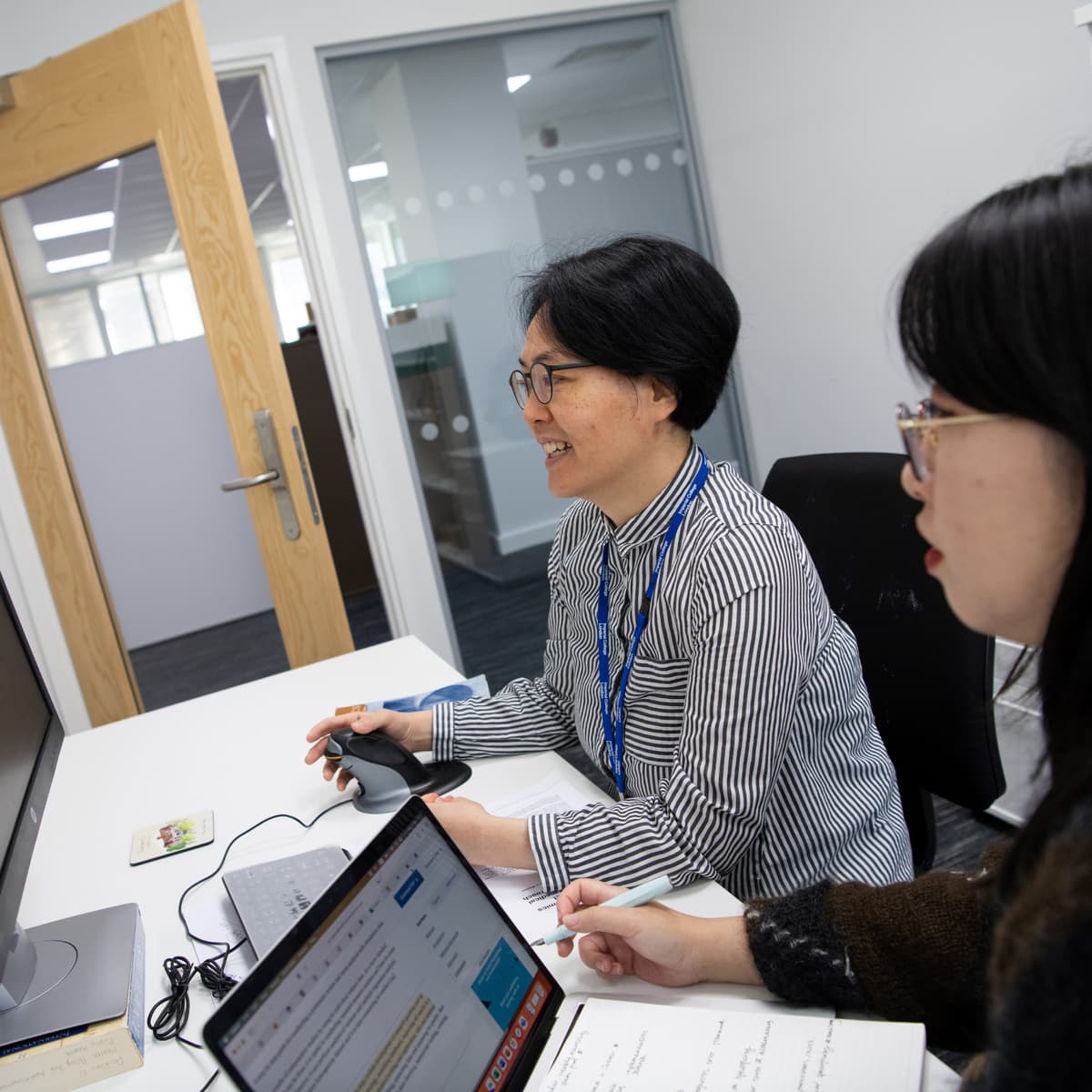
Contact our research data team for support, guidance or other enquiries.
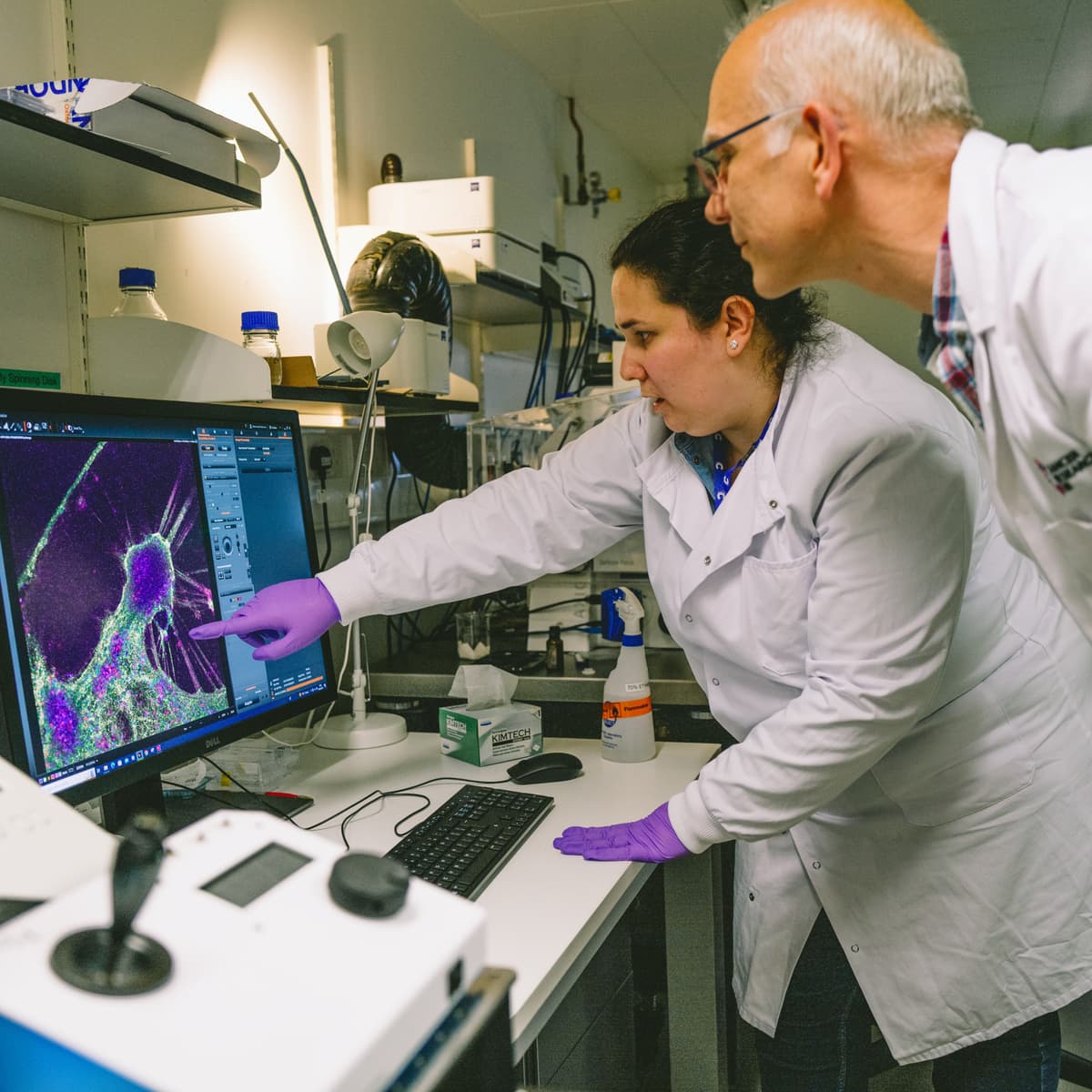
In our 2022 research data strategy, we set out how we intended to scale up our activities to unleash the enormous power of big data.
We’re facilitating a focused, collaborative space for those interested in data-driven approaches to cancer research. Community members can connect, share expertise, explore new methods, tackle emerging challenges and support skill development.
