How does cancer start, grow and spread?
Cells can break away from a cancer and spread in the blood or lymphatic systems to almost anywhere in the body. But most types of cancer tend to spread to one or 2 places in the body.

Read about how cancer can spread
The lungs are the most common organ for cancers to spread to. This is because the blood from most parts of the body flows back to the heart and then to the lungs. Cancer cells that have entered the bloodstream can get stuck in the small blood vessels of the lungs. These small blood vessels are called capillaries.
You may not have any symptoms if cancer spreads to the lungs. Or it might cause:
a cough that doesn't go away
shortness of breath
chest infections
a build up of fluid between the chest wall and the lung called a pleural effusion
This build up of fluid can cause shortness of breath, chest pain and discomfort.
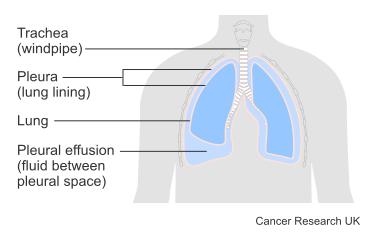
Fluid builds up because cancer cells can cause inflammation in the 2 sheets of tissue that cover the lungs (the pleural membrane). The inflamed tissues make extra fluid and the fluid collects between the membranes. There may also be cancer cells in the pleural space that stop the extra fluid draining away.
The lungs expand (inflate) as we breathe in. This fluid build up gets in their way and presses on the lungs, stopping them from expanding fully.
The treatment for cancer that has spread to the lung depends on where the cancer started in the body. So breast cancer that has spread to the lungs is usually treated like a breast cancer, not like lung cancer.
Read about the treatment for fluid on the lung
Many types of cancer can spread to the liver. However, it is most likely to happen in cancers of the digestive system. This is because the blood from the digestive system circulates through the liver before it goes back to the heart. The cancer cells may get stuck in the small capillaries of the liver.
Cancer that has spread to the liver may not cause any symptoms. But it may cause:
lack of energy
feeling generally unwell
feeling sick
lack of appetite
pain on the right side of the body under the rib cage
yellowing of the skin and whites of the eyes (jaundice)
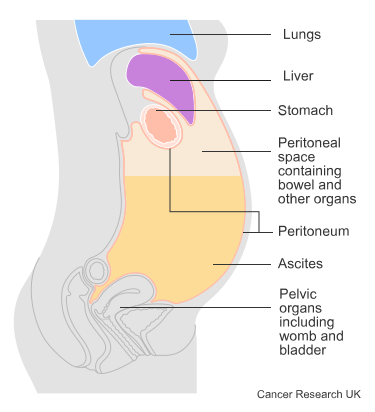
a build up of fluid in the abdomen (ascites)
The cause of yellowing of your skin or jaundice is either a blockage in the or your liver not working properly. This causes:
the skin and whites of the eyes to turn yellow
itchy skin
the urine to look dark and poo can look pale
Ascites is the name for a build up of fluid in the tummy (abdomen). The abdomen contains many organs such as the stomach, bowels and liver. These organs are covered by a sheet of tissue (membrane) called peritoneum.
The peritoneum is made up of 2 layers. One that lines the wall of the abdomen and the other covers the organs. Sometimes fluid can build up between the 2 layers, which can be very uncomfortable. Fluid can build up because:
cancer cells can irritate the lining of the abdomen and make it produce too much fluid
lymph glands in the abdomen get blocked and can't drain fluid properly
cancer spread in the liver raises the pressure in nearby blood vessels, which forces fluid out
the liver can't make enough blood proteins so fluid leaks out of the veins into the abdominal cavity
Find out more about fluid in the abdomen and its treatment
It's very common for cancer cells to travel from where they started in the body, to nearby lymph nodes. This is because there is a natural circulation of tissue fluid from the organs into the lymphatic system. This is not the same as having a cancer of the lymphatic system, such as lymphoma.
When cancer spreads to the lymph nodes it may make them swell up. The swollen lymph nodes are easy to see if they are near the surface of the body – for example, in the neck or under the arm. But if the nodes are deeper in the body doctors can only see them on a scan.
Cancer in the lymph nodes may not cause any symptoms. But sometimes, the swollen lymph nodes can block the circulation of tissue fluid. This can cause swelling in the affected part of the body. For example, swollen lymph nodes in the armpit or groin can cause swelling in the arm or leg on the same side of the body. This swelling is called lymphoedema.
Read detailed information about lymphoedema
Some cancers are likely to spread to the bones. For example prostate cancer, breast cancer and lung cancer.
The most common effects of secondary cancer in the bones are:
pain in the affected bones
weakness in the affected bones
high calcium levels in the blood
You get pain because the cancer cells multiply in the bone and press on nerves. The growing cancer can weaken the bone by damaging its normal structure. This can make the bone more likely to break (a pathological fracture).
Find out about secondary bone cancer and its treatment
Damaged bone cells can release calcium into the blood. High levels of calcium in the blood may cause:
feeling sick
feeling tired, drowsy or muddled
constipation
feeling very thirsty
Very high calcium levels can cause irritability, confusion and eventually unconsciousness.
Find out more about cancer and high blood calcium levels
Some types of cancer can spread to the brain, such as lung cancer and breast cancer. Sometimes bowel cancer, kidney cancer, melanoma and other cancers can also spread to the brain.
The most common symptoms of cancer spread to the brain are:
headaches
feeling sick
These symptoms happen because there is a limited amount of space for the brain within the skull. So the growing cancer causes an increase in pressure inside the skull. This is called raised intracranial pressure.
Other symptoms depend on which part of the brain the cancer is growing in. They also depend on the size of the tumour (or tumours). Small secondary brain tumours may not cause many symptoms. Or it may cause:
weakness in an arm, leg, or on one side of the body
moodiness or changes in behaviour
fits (seizures)
confusion
drowsiness
a feeling of the room spinning (vertigo)
feeling dizzy or unsteady
Find out more about secondary brain tumours and their treatment
Sometimes cancer cells can start growing in the skin. The secondary skin cancer may start to grow on or near the scar after an operation to remove the primary cancer. Or sometimes secondary skin cancers can grow in other parts of the body.
A secondary skin cancer may look like a pink or red raised lump (a bit like a boil). Doctors may call these areas plaques or nodules. It is important to tell your doctor if you think you have one as they can give you treatment.
Without treatment, the area may become bigger and may bleed or ooze fluid. This is called an ulcerating cancer.
Last reviewed: 09 Oct 2023
Next review due: 09 Oct 2026
The place where a cancer starts in the body is called the primary cancer or primary site. Cells from the primary site may break away and spread to other parts of the body.
Hearing that cancer may come back can be frightening. Cancer might come back because the original treatment didn't get rid of all the cancer cells. Or because some cancer cells have spread elsewhere in the body and started growing there.
The lymphatic system is a network of tubes and glands in the body. It filters body fluid and fights infection. It also traps damaged or harmful cells such as cancer cells. Cancer may spread through the lymphatic system.
The body has different types of blood cells that cancer or its treatment can affect. Blood flows throughout the body. Some cancers may spread to other parts of the body through the blood circulatory system.



