How does cancer start, grow and spread?
Our bodies are made up of billions of cells. The cells are so small that we can only see them under a microscope.
Cells group together to make up the tissues and organs of our bodies. They are very similar. But vary in some ways because body organs do very different things. For example, nerves and muscles do different things, so the cells have different structures.
There are more than 200 types of cancer and we can classify cancers according to where they start in the body, such as breast cancer or lung cancer.
We can also group cancer according to the type of cell they start in. There are 5 main groups. These are:
carcinoma – this cancer begins in the skin or in tissues that line or cover internal organs. There are different subtypes, including adenocarcinoma, basal cell carcinoma, squamous cell carcinoma and transitional cell carcinoma
sarcoma – this cancer begins in the connective or supportive tissues such as bone, cartilage, fat, muscle or blood vessels
leukaemia – this is cancer of the white blood cells. It starts in the tissues that make blood cells such as the bone marrow.
lymphoma and myeloma – these cancers begin in the cells of the
brain and spinal cord cancers – these are known as central nervous system cancer
Carcinomas start in epithelial tissues. These tissues:
cover the outside of the body such as the skin
cover and line all the organs inside the body such as the organs of the
line the body cavities such as the inside of the chest cavity and the abdominal cavity

Carcinomas are the most common type of cancer. They include many breast, lung, bowel and prostate cancers.
There are different types of epithelial cells and these can develop into different types of carcinoma. These include:
squamous cell carcinoma
adenocarcinoma
transitional cell carcinoma
basal cell carcinoma
Squamous cell carcinoma starts in squamous cells. These are the flat, surface covering cells found in areas such as the skin or the lining of the throat or food pipe (oesophagus).

Adenocarcinomas start in glandular cells called adenomatous cells. Glandular cells produce fluids to keep tissues moist.

Transitional cells are cells that can stretch as an organ expands. They make up tissues called transitional epithelium. An example is the lining of the bladder. Cancers that start in these cells are called transitional cell carcinoma.
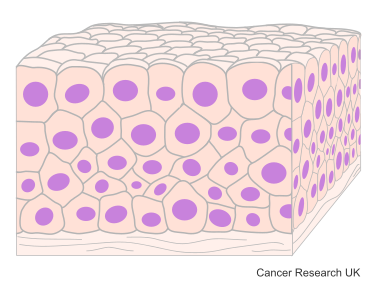
Basal cells line the deepest layer of skin cells. Cancers that start in these cells are called basal cell carcinomas.

Sarcomas start in connective tissues. These are the supporting tissues of the body. Connective tissues include the bones, cartilage, tendons and fibrous tissue that support organs.
Sarcomas are much less common than carcinomas. There are 2 main types:
bone sarcomas
soft tissue sarcomas
These make up less than 1 in every 100 cancers (1%) diagnosed every year.
Sarcomas of bone start from bone cells.

Soft tissue sarcomas are rare but the most common types start in cartilage or muscle.
Cancer of the cartilage is called chondrosarcoma.

Cancer of muscle cells is called rhabdomyosarcoma or leiomyosarcoma.

Find out more about soft tissue sarcomas
Leukaemia is cancer of the white blood cells. The item makes too many white blood cells. The blood cells are not fully formed and so they don't work properly. The abnormal cells build up in the blood.

Leukaemias are uncommon. They make up only 3 out of 100 of all cancer cases (3%). But they are the most common type of cancer in children.
Find out more about the different types of leukaemia
Other types of cancer are lymphomas and myeloma, They are cancers of the . The lymphatic system is a system of tubes and glands in the body that filters body fluid and fights infection.
Read more about the lymphatic system and how cancer may affect it
Lymphoma is cancer that starts in the lymph glands or cells of the . The lymphatic system runs all through the body so lymphoma can start just about anywhere.
It happens because some of the lymphatic system white blood cells (lymphocytes) start to divide in an abnormal way. And don't die as they should. These cells start to divide before they become fully grown (mature) so they can't fight infection.
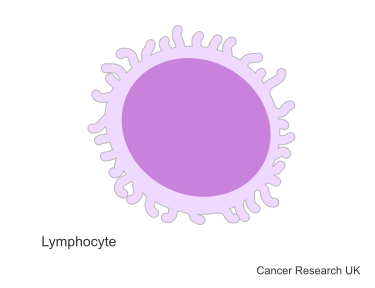
The abnormal lymphocytes start to collect in the lymph nodes or other places such as the bone marrow or spleen. They can then grow into tumours.
Lymphomas make up about 5 out of every 100 cancer cases (5%) in the UK.
Myeloma is a cancer that starts in plasma cells. Plasma cells are a type of white blood cell made in the bone marrow. They produce antibodies, also called immunoglobulins, to help fight infection.
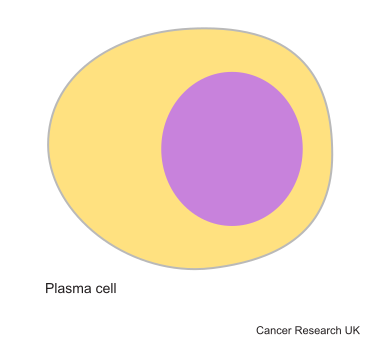
Plasma cells can become abnormal and multiply out of control. They make a type of antibody that doesn't work properly to fight infection. Myeloma makes up about 2 out of every 100 cases of cancer (2%) in the UK. Find out more about myeloma
Cancer can start in the cells of the brain or spinal cord. The brain controls the body by sending electrical messages along nerve fibres. The fibres run out of the brain and join together to make the spinal cord, which also takes messages from the body to the brain.
The brain and spinal cord form the central nervous system. The brain is made up of billions of nerve cells called neurones. It also contains special connective tissue cells called glial cells that support the nerve cells.
The most common type of brain tumour develops from glial cells. It is called glioma. Some tumours that start in the brain or spinal cord are non cancerous (benign) and grow very slowly. Others are cancerous and tend to grow and spread.

Brain and spinal cord tumours make up about 3 out of every 100 cases of cancer (3%) in the UK.
Last reviewed: 09 Oct 2023
Next review due: 09 Oct 2026
To start with, cancer cells stay inside the body tissue from which they have developed. The cancer cells grow and divide to create more cells and will eventually form a tumour. Once a cancer can stimulate blood vessel growth, it can grow bigger.
DNA stands for deoxyribonucleic acid. It is like a code containing all the instructions that tell a cell what to do. It is made up of genes. Your genes carry all the information that makes you, you.
Body tissues grow by increasing the number of cells. Cells in many tissues in the body divide and grow very quickly until we become adults.
The place where a cancer starts in the body is called the primary cancer or primary site. Cells from the primary site may break away and spread to other parts of the body.



