Stages, types and grades of pancreatic cancer
Cancer can start in the head, body or tail of the pancreas.
The wide end of the pancreas is called the head.
The middle is called the body.
The thin end is called the tail.
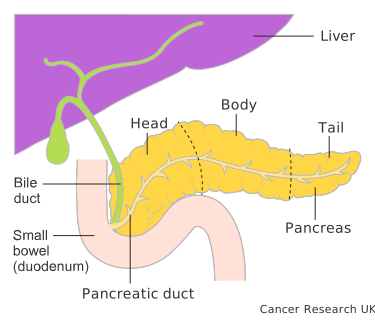
Roughly 75 out of 100 pancreatic cancers (roughly 75%) start in the head of the pancreas.
Most pancreatic cancers are the exocrine type. This means that they start in cells that produce pancreatic digestive juices. There are different types of exocrine pancreatic cancer.
Around 80 out of 100 pancreatic cancers (around 80%) are ductal adenocarcinomas. This means they start in cells lining the small tubes (ducts) that the pancreatic juice flows down.
The acinar cells are in the smallest tubes at the ends of the ducts. They make the in the pancreatic juice which help you digest your food. These cancers are generally diagnosed at a younger age than adenocarcinomas. They also tend to have a better outlook (prognosis).
Cystic are fluid filled sacs, also called cysts, in the pancreas. Most pancreatic cysts are not cancerous (benign). But some cystic tumours can turn into cancer.
There are different types of cystic tumours including:
mucinous cystic neoplasms (MCN)
intraductal papillary mucinous neoplasms (IPMN)
solid pseudopapillary neoplasm (SPN)
You might have surgery to remove these types of tumours. Or you may have regular tests to monitor them (surveillance).
Endocrine pancreatic cancers start in the endocrine pancreas. This is the part of the pancreas where and other are made and released into the bloodstream.
These types of pancreatic cancer are called pancreatic neuroendocrine cancer. They are less common than exocrine pancreatic cancers.
Find out about pancreatic neuroendocrine cancer
There are other rare types of cancer of the pancreas. They are treated differently to the more common types of pancreatic cancer.
These very rare cancers mainly occur in children. They are sometimes linked with rare genetic conditions. This includes Beckwith-Wiedemann syndrome and familial adenomatous polyposis (FAP).
These are cancers of the connective tissue that hold together the cells of the pancreas. They are extremely rare.
Lymphoma is a cancer of the . As the lymphatic system runs throughout the body, these cancers can develop anywhere, including the pancreas.
Find out about lymphomas and soft tissue sarcomas from our cancer types A to Z list
Last reviewed: 18 Aug 2026
Next review due: 18 Aug 2029
Stage means the size of the cancer and whether it has spread. Type is the type of cell it started from. Grade means how abnormal the cells look. Knowing this information helps doctors recommend the best treatment.
Common symptoms of pancreatic cancer include pain in the tummy or back, yellowing of the skin or whites of the eyes (jaundice), changes to your poo (stool) and weight loss. Find out more about these symptoms.
Most people are diagnosed with pancreatic cancer after they become unwell and go to A&E. Others start by seeing their GP. Find out what to expect when you see your GP and any tests you might have.
Your treatment depends on the position of the cancer in the pancreas, how big it is, the type of pancreatic cancer, whether it has spread, if they can remove it with surgery and your general health.
Pancreatic cancer is cancer that starts in the pancreas. Find out about the pancreas and how it works.



