Radiotherapy to relieve symptoms
Cancer that has spread to the lungs can cause symptoms such as:
chest pain
a cough
breathlessness
coughing up blood
Radiotherapy can help to shrink the cancer. It might help to keep your cancer under control for longer and make you comfortable. But unfortunately it can't cure the cancer.
You are most likely to have external beam radiotherapy. This is when the radiotherapy machines aims radiation beams at the cancer from outside your body.
Before you have treatment you have a specialised CT planning scan. The treatment team use this to plan exactly where to give the radiotherapy. You might also need to have a plastic mould made to keep you completely still during the treatment.
Your doctor tells you how many radiotherapy appointments you'll have. This can vary from person to person but might range from 5 to 10 treatments over the course of 2 weeks. Each treatment is called a fraction. You usually go to the radiotherapy department once a day from Monday to Friday.
The radiotherapy machine is called a linear accelerator. To have the treatment you lie on the radiotherapy couch. The therapeutic radiographers help you to get into the right position.

They then leave the room. This is so they are not exposed to radiation. You are alone for a few minutes while you have the treatment. But they can see and hear you the whole time.
You can't feel the radiotherapy. It doesn’t hurt but you might find it uncomfortable to lie in position during the treatment. The radiotherapy couch can be quite hard. You can ask your doctor if you can take a painkiller half an hour beforehand if you think it might help.
Some people have treatment with internal radiotherapy from inside the airway. You might need this if your tumour is blocking or partly blocking the airway.
This type of radiotherapy is called brachytherapy or endobronchial therapy. Your doctor puts a tube called a bronchoscope into your airway, either through your mouth or nose. They might spray your throat with local anaesthetic beforehand to numb it.
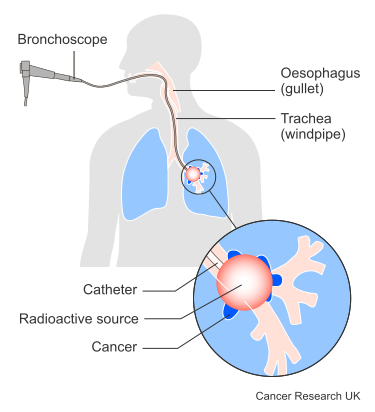
Your doctor puts a thin tube called a catheter inside the bronchoscope and into your lung. You have a CT scan to make sure the tube is in the right area.
The radiographers then connect the catheter to the brachytherapy machine. They leave the room, but can see and hear you the whole time. The brachytherapy machine contains a small radioactive metal ball. This leaves the machine and travels into the catheter to where the cancer is.
You don’t feel anything during the treatment. It is painless. After several minutes, the treatment finishes. Thee radioactive metal ball then goes back into the machine. Your radiographers come back into the room and remove the catheter. You usually have this type of radiotherapy in 1 or 2 sessions.
The side effects are usually mild. They tend to come on as you go through your treatment course. They may last for a week or two after the treatment has finished.
Side effects may include:
feeling tired
skin redness in the treatment area if you have external radiotherapy
feeling sick because the lungs are quite close to the stomach – you can have . It may help to take them 20 minutes before your treatment
Last reviewed: 19 Dec 2023
Next review due: 19 Dec 2026
Internal radiotherapy means having radiation treatment from inside the body. It is also called brachytherapy. Read more about what it is and how you have it.
External radiotherapy targets radiation at the cancer from a radiotherapy machine. Read about types of external radiotherapy and what happens during planning.
Information about the possible side effects of radiotherapy treatment to your chest area, including sickness, swallowing problems and breathing changes.
Lung cancer starts in the windpipe (trachea), the main airway (bronchus) or the lung tissue. Cancer that starts in the lung is called primary lung cancer.
Find out about cancer treatment with radiotherapy, including external radiotherapy, internal radiotherapy, side effects, radiotherapy for symptoms and follow up after treatment.



