Surgery for eye cancer
You wake up in the recovery area next to the operating theatres.
At first, you’ll be wearing a mask or having small tubes (a nasal cannulae) put into your nose to give you oxygen. You might feel dizzy and sluggish to begin with.
You have a blood pressure cuff on your arm and a little clip on your finger to measure your pulse and oxygen level.
Once you are more awake, your nurse will take you back to the ward. They will measure your blood pressure and check your dressings regularly.
The dressing over your eye or eye socket usually stays in place for about 12 to 48 hours.
It’s normal to have pain for the first week or so. The doctor and nurses can give you painkillers.
Tell your doctor or nurse as soon as you feel any pain. They need your help to find the right type and dose of painkiller for you. Painkillers work best when you take them regularly.
You get painkillers to take home. Follow the instructions your nurse gives you about how often and when to take them. Contact your doctor if you still have pain or if it gets worse.
Anaesthetic drugs can make some people feel or be sick. There are anti sickness drugs that can help stop this.
Find out about anti sickness drugs
The dressing over your eye or eye socket helps to stop bleeding and reduce swelling. It might feel quite tight and you may find it difficult to open your eye until the dressing is removed. The nurse will check the dressing and wound regularly during the first few hours after your surgery.
When the nurse removes your dressing, they will clean your eyelid and examine the eye or eye socket with a small torch. Your surgeon will also see you and examine your eye.
You may need stitches for some types of eye surgery. For example, if a small cancer is removed from the eyelid. Most people go home with the stitches in. Your nurse will show you how to look after them. You may need a small plaster or dressing over the area to keep it clean. You will have an outpatient appointment to remove the stitches.
If you have your eye removed, your surgeon fits a permanent eye implant into the socket during the operation.
The implant helps keep the structure of the eye socket and supports the artificial eye, which is fitted later. When looking at the area, you’ll see that it appears pink. You will not see the implant.
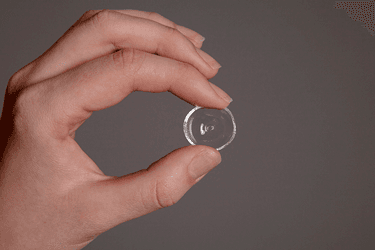
Having a conformer over the implant for a few weeks after surgery is usual. This is a clear or painted plastic shell the size of a contact lens. This helps to keep the shape of the eye socket. You can see the conformer in the socket and can remove it to clean it. Your nurse will show you how to do this and help you until you are confident enough to do it yourself. You wear the conformer until you have your artificial eye.
Give yourself some time to adjust. It’s really important to remember that your eye will not look like this forever. Once your artificial eye is in place it will look very similar to your other eye. You have an artificial eye fitted a few weeks after your operation once your eye socket has healed.
Your eyelids and face may be swollen and bruised for a few days after your operation. You could try using cool packs to help reduce the swelling and discomfort. You might need antibiotics to help prevent infections.
Around the wound you may also notice a watery or pink discharge. You may also be aware of a scratchy feeling around the socket as the eyelid moves. These both get better over the first few days after surgery.
You might find it helpful to have a pair of dark glasses with you. Some people prefer to wear these until the swelling has gone. The glasses can help to protect the wound while it heals. And they could help if your eyes are sensitive to light.
Read more about looking after your eye socket after surgery
Your nurses will help you to get up as soon as possible after surgery. You might feel a bit dizzy at first. Later the same day or the morning after the operation, you are usually walking around by yourself. But you will feel tired.
You are less likely to get a chest infection or a blood clot if you are moving around.
You drink sips of water to begin with. If you manage this, you can then move on to other drinks such as tea.
Your nurse will remove your drip once you are drinking well without feeling or being sick.
You can start eating when you feel up to it. This is often within a few hours of your operation. It can be helpful to have plain, bland foods at first. Strongly flavoured foods are more likely to make you feel sick.
Your nurse will show you how to clean and care for your eye. If you have had your whole eye removed, they will explain how to care for the eye socket.
You might find it hard to do this at first. Some people find taking care of the eye and socket distressing. If you don’t feel able to cope with it yourself, the ward can arrange for a district nurse to visit you at home.
Once you are at home you may need eye drops for the next few days. These help to reduce the redness and swelling. Your nurse will show you how to put them in. Try not to scratch or rub your eye. This could delay healing.
It is good to keep active. But your doctor or nurse may suggest that you only do gentle exercise, especially for the first few weeks. Check with your doctor if you want to exercise more.
Your painkillers can cause constipation. So you may have other tablets to help prevent this (laxatives). Ways to prevent constipation include:
drinking plenty of fluids
having a good amount of fibre in your diet
Read about how to manage constipation
It is unusual to have any serious problems following eye surgery. But all operations have some risks. You usually get a phone number to ring in case you have any questions or concerns once at home. Contact this number if you have:
bleeding around the eye or eye socket
swelling around the eye or eye socket that becomes worse
pain around the eye that becomes worse, or a stabbing pain sensation around the eye
You have follow up appointments to check your recovery and sort out any problems. They are also an opportunity for you to talk about any worries you have about your progress.
Last reviewed: 07 Jan 2025
Next review due: 07 Jan 2028
Surgery for eye cancer is a very specialised operation. You might have an operation to remove certain types of eye cancer.
Your treatment depends on several factors. These include what type of eye cancer you have, how big it is and whether it has spread (the stage). It also depends on your general health. Treatments include surgery, radiotherapy and cancer drugs.
After treatment for eye cancer, you have regular check ups at the hospital.
Practical and emotional support is available to help you cope with a diagnosis of eye cancer, and life during and after treatment.
Eye cancer includes different types of cancer. The type of eye cancer you have depends on the type of cell it starts in. There are different parts of the eye, and some of these are more likely to get cancer than others.



