
Coping physically
Some people can feel sick (have nausea) and not be sick. Others are sick (vomit) and never actually feel sick. You can have nausea or vomiting on its own or both together. Sickness is a very unpleasant feeling. You usually feel it in the back of your throat and in your stomach. And you might not actually be sick.
When you feel sick you might also:
feel dizzy or lightheaded
make more saliva (spit) than usual
have a faster heart rate
have cold, clammy skin
not want to eat or drink
Being sick means that your stomach muscles tighten up, forcing any food or liquid in your stomach up your throat and out of your mouth. You could feel sick before this happens, but it's not always the case. This is also called nausea.
Retching means trying to be sick, but bringing nothing up. Your chest and stomach muscles contract as if you were going to be sick, but you aren't. You do not always feel sick before retching. It's sometimes also called heaving or dry heaves.
There are lots of different causes of sickness. But as far as your body is concerned, it is trying to get rid of something that shouldn't be there.
A part of the brain called the vomiting centre controls being sick. The vomiting centre is in the brain stem.
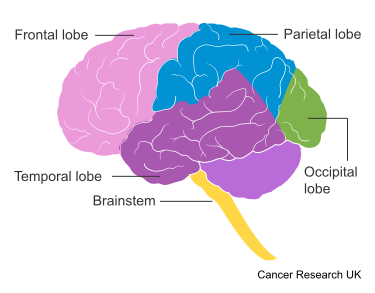
You might be sick if the vomiting centre receives signals from:
another part of the brain called the chemoreceptor trigger zone (CTZ)
your stomach
your inner ear - caused by motion or vertigo (which is a sensation of loss of balance)
your senses - especially taste and smell
your emotions - being frightened or anxious can make you sick
Chemotherapy drugs make your body release chemicals that signal between nerves. These are called neurotransmitters and include serotonin. These chemicals stimulate the chemoreceptor trigger zone (CTZ) and the vomiting centre.
Anti sickness medicines can block these chemicals and stop the signals getting through. So, they can stop you being sick.
We don't know quite so much about the control of feeling sick. It's probably controlled by the part of the nervous system that regulates things we don't have to think about, like breathing.
Find out the different reasons why you may feel sick
Feeling and being sick a lot can cause:
loss of appetite
weight loss
fluid changes in your body which can lead to dehydration
feeling very tired (fatigue)
disruption to your daily life
Studies show that between 40 and 70 out of 100 people with cancer (between 40 and 70%) will feel sick or be sick at some point. Nausea and vomiting are the treatment side effects that many people with cancer fear most. They can make everyday life very difficult to cope with.
Find out more about treatments for feeling or being sick
There are different types of medicines used to control sickness (nausea and vomiting) in cancer care. It might take some time to find a combination that works for you.
There are different ways of having anti sickness medicines. This includes having medicines by mouth, into the bloodstream or as an injection just underneath the skin.
Not everyone will have side effects from anti sickness medicines. Possible side effects include constipation, headaches or feeling drowsy. Possible side effects depend on the medicines you are taking.
Last reviewed: 09 Aug 2023
Next review due: 09 Aug 2026



