Mental health and cancer
No one apart from you knows best how you might feel at the moment. Or what you might need. But hearing from others can be helpful. Learning about their experience and what helped them can be reassuring.
We listened to the experiences and gathered advice of people who've had cancer and struggled with their mental health. We used their feedback to help shape and develop the information on this page.
Cancer affects different people in different ways, but some of the common feelings can be:
shock
anger
guilt
frustration
loss or lack of identity and direction in life
lack of confidence or feeling useless
hopelessness
sadness
isolation
anxiety
emptiness
feeling mentally weak and fatigued
Read more about how cancer can make you feel
Sometimes, feelings and experiences of living with cancer can develop into mental health problems. Some of the mental health problems can include:
anxiety
depression
suicidal thoughts
post-traumatic stress disorder (PTSD) around treatment or diagnosis experiences
feeling like you are disconnected from reality, sometimes called dissociation
The mental health charity Mind has more information on these mental health problems. This includes treatment and self-care information.
Struggling with your mental health can start at any time when you have cancer. It could be after diagnosis, during treatment, or after treatment has finished. Your experiences can vary. This can depend on your circumstances and your cancer type.
The adjustment to having cancer and the need for support will differ from person to person.
If you have just been diagnosed with cancer, you can read a summary of what might help you.
Read more about mental health when you're just diagnosed with cancer
There is no right or wrong way to feel during this time. What you feel is what you feel. But mental health symptoms can become a problem when they interfere with:
how well you can do your normal day-to-day activities. For example, you might become too low in mood (depressed) to eat or get dressed
your motivation. This means you don’t enjoy life or feel like taking part in it
how well you cope with treatment. For example, you might be too anxious to go to the hospital for treatment
If you recognise some of the above feelings and experiences, seek support. Support is available, but we know that it is not easy for everyone with a mental health problem to get the treatment and help they need.
If you have been struggling with your mental health, let your cancer team know if your cancer treatment is affecting your mental health. You may be able to get mental health support through cancer services.
Some cancer hospitals are linked with Macmillan Information and Support Services or Maggie’s Centres. They are available throughout the UK. These services can be a place to start when seeking mental health support when you have cancer. You can contact them by phone or email or visit in person.
Find a Macmillan Information and Support service
You can also speak to others in the cancer community by using Cancer Chat, Cancer Research UK's online forum for people affected by cancer. You can learn from them how they managed to find support.
Read more about where to get support for mental health
A cancer diagnosis can affect people with an existing mental health problem in different ways. Some people might feel their mental health worsens with a cancer diagnosis. Others might feel it doesn’t change much. Your feelings can change at any time during or after treatment, and that is OK.
After a cancer diagnosis, some people living with a mental health problem have experienced:
triggering of previous trauma or mental health symptoms
an increase in ongoing anxiety or panic
worsening of longstanding depression and hopelessness
feelings of isolation
relapsing from an addiction
You may find your mental health problem impacts your treatment and recovery.
A severe mental health problem means your symptoms have been going on for a long time, severely affecting various areas of your life and you might:
find it hard to function on a day-to-day basis
not be able to work
need treatment from a mental health team as an outpatient or inpatient
Research shows that people with severe mental health conditions have a higher chance of dying from their cancer. This is compared to people with no history of mental health problems. This is because they:
don't always receive treatment according to the treatment guidelines for their cancer
can't advocate for themselves because of their mental health problem
Talk to your cancer team about your situation or ask someone you trust to act on your behalf. Your mental health team should also be involved. Together you can decide on the best cancer treatment for your situation.
It is important to let the people treating you know about your cancer. This includes your mental health team, therapist, or GP prescribing your medication. They can then discuss:
what kind of support you might need during this time
any changes that are needed to your treatment
If you are taking medication for your mental health problem, you should not stop taking it suddenly. Talk to your cancer team about what medications you are taking. They can tell you how cancer treatment might affect this.
It can also be helpful to get your mental health medication reviewed. This will ensure it helps with the new challenges you’re dealing with.
Read more about where to get support for mental health
Many factors can affect your mental health. You might not be able to control or resolve all of them. But it can help to know what they are, so you know they might affect you.
People with cancer said the following could affect your mental health:
Factor | Possible scenario |
|---|---|
Diagnosis | • having a delayed or wrong diagnosis |
• having a poor prognosis (outlook) | |
• dealing with the stigma and guilt around certain cancers, such as smoking and lung cancer | |
• struggling to understand the ‘language of cancer’ and feeling overwhelmed by all the new information and words | |
• having advanced cancer and preparing for death | |
Treatment | • getting bad news |
• having complex or new side effects of treatment | |
• having to cope with uncertainty | |
• waiting for the results of tests, or upcoming appointments | |
• certain treatments, such as steroids, affecting your mood | |
• your relationship with healthcare professionals | |
Family and friends | • having difficult family relationships and not getting enough support from them |
• dealing with how others react to your cancer diagnosis | |
• dealing with the denial of others about your diagnosis | |
• protecting your family or friends by not saying how you feel | |
• withdrawing from others because you don’t want to talk about your cancer or appear vulnerable | |
Living with cancer | • having financial worries |
• having complex support needs if living with a disability and cancer. Other people might see your disability as more important than your cancer | |
• being unable to engage with enjoyable activities such as sport or food because of your cancer or its treatment |
You might not yet be in a position to think about your cancer diagnosis and treatment positively. But it may help to know that it can be possible in the future.
People with cancer said that their cancer diagnosis changed them in the following ways:
gave them a new and more positive perspective on life
helped them to know what matters most in life
let them experience the support from other cancer survivors
forced them to take the time to appreciate the small things
let them experience the rewards of being involved in charity work and giving back to the community
taught them about their own strength and resilience
Below are some suggestions to help you look after your mental health. Not all of them might be useful to your situation. It can be helpful to try and look after your mental health in more than one way. So, try several things and see what works for you.
Maudsley Learning, part of the South London and Maudsley NHS Foundation Trust, has a set of cancer and mental wellbeing videos for people affected by cancer.
The videos have information and advice on what to do if a cancer diagnosis affects your mental health. They cover several topics, including:
breaking bad news
managing anxiety
common reactions to a diagnosis
relationships
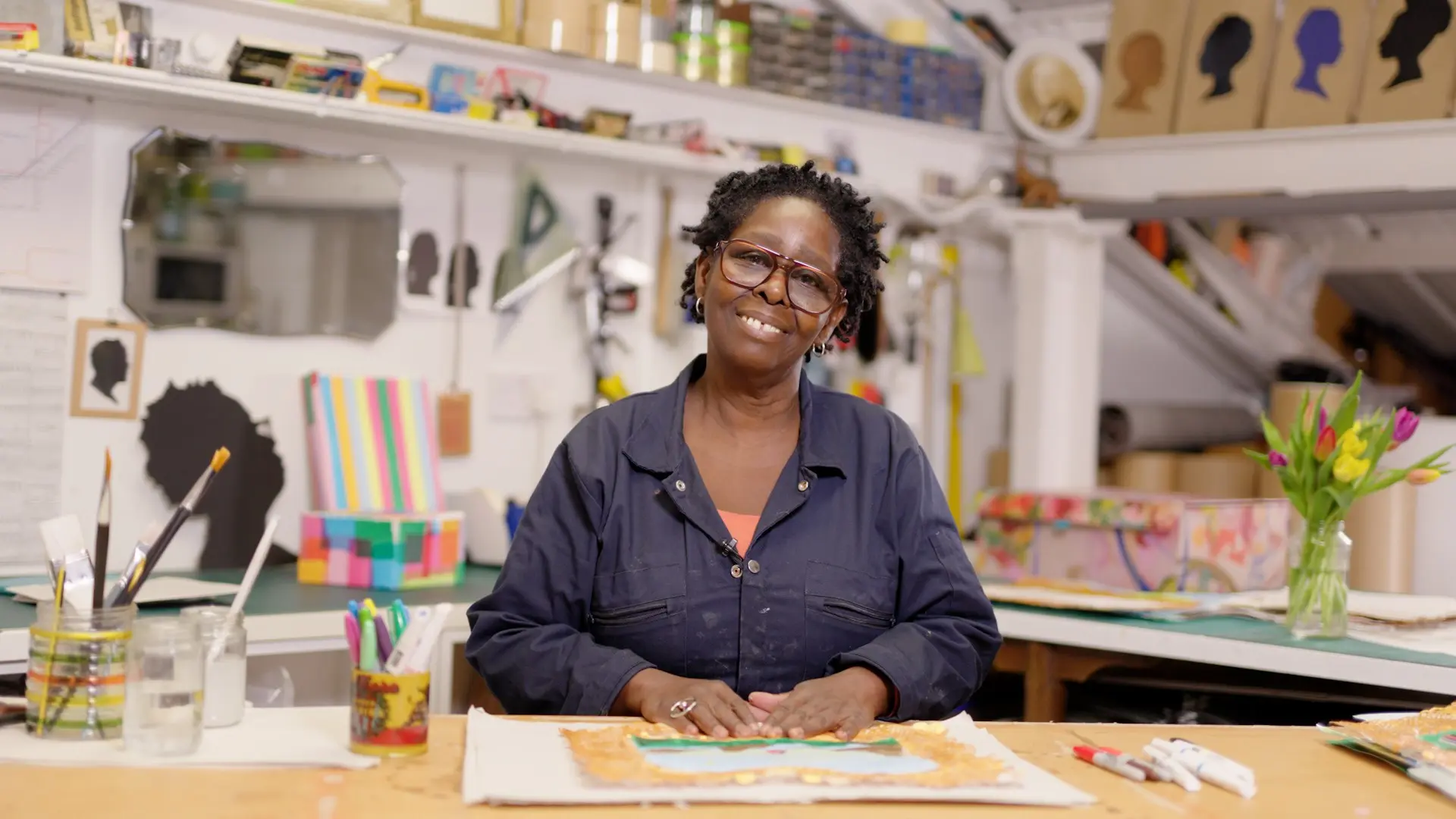
Being creative is a good way to support your mental wellbeing while dealing with cancer. It can help you to express difficult emotions and distract you from anxiety and distress.
Hospital Rooms is a charity that brings art and creative programmes to mental health hospitals in the UK. They have an online (digital) art school that offers a free arts programme. Artists lead monthly workshops and help you use creativity to improve your mental wellbeing. The workshops are available to watch live or on-demand. You don’t need any experience to do it.
Receiving the news that your cancer is advanced and that you may be dying soon can be very difficult. Many people receiving end-of-life care struggle with their mental health. Palliative and end-of-life care teams specialise in treating people with advanced cancer. They are aware that people might struggle with their mental health at this stage of their cancer and can provide support.
We have more information on dying with cancer and what can help you to cope.
Last reviewed: 13 Mar 2026
Next review due: 13 Mar 2029
An information and support service is often a good place to start when you’re newly diagnosed and struggling with your mental health. But it will also depend on what support you need.
After a diagnosis of cancer, you might have a range of feelings including fear, sadness, anxiety and depression. These are normal responses to a stressful life experience.
Cancer support organisations can offer support when you have cancer or when you're caring for someone with cancer. Some have general cancer information, while others have advice for specific cancer types.
Cancer is a difficult topic to talk about. You might have doubts or concerns which stop you talking to your kids about a cancer diagnosis. It is not easy to decide what or when to tell them.
Counselling can help you come to terms with your cancer. Understanding what it is and how it can help, can help you decide if it is right for you.
Whether you are someone with cancer or a carer for someone with cancer, we want you to know that it is common to struggle with your mental health when dealing with a cancer diagnosis. But there are people who can support you during this time and things you can do to help yourself.



