Children’s cancers
In the UK, around 2,300 young people (aged 15 to 24 years) are diagnosed with cancer each year. That’s more than 6 cases each day.
Young people’s cancers can be different to cancers in children and adults. In the UK, young people with cancer aged 13 to 18 years have treatment in specialist treatment centres. These are called TYA principal treatment centres (PTCs).
Young people aged 19 to 24 years should also have access to age appropriate treatment areas and support. This might be in their local hospital or at a regional principal treatment centre.
Being in an age appropriate treatment area means you will be around other people of a similar age to you. You will have things to do that are appropriate for your age and peer group. The area you stay in might be decorated differently to other hospital areas, making it more friendly and welcoming. You will also have access to support that is tailored to young people.
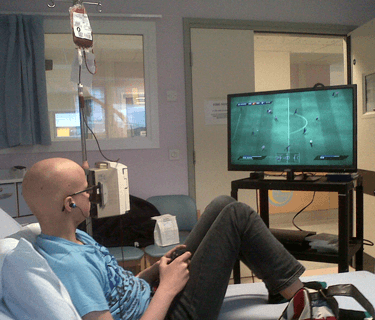
Adam was diagnosed with non-Hodgkin lymphoma aged 14.
The Teenage Cancer Trust (TCT) charity funds specialist areas within hospitals for young people. They are in almost every major NHS cancer treatment hospital across the UK.
Find out where the TCT cancer units are
There are at least 88 different subtypes of young people’s cancers. These can be put into 12 main groups. The picture below shows these groups and gives you an idea of how common they are.

The most common group is made up of and . 30 out of 100 young people with cancer (30%) have these types of cancer. Carcinomas cover several cancer types. Some of the most common include cancer of the , and breast.
The next most common group is . 20 out of 100 young people with cancer (20%) have a type of lymphoma.
are the third most common type. 16 out of every 100 young people with cancer (16%) have these types of cancer.
We have detailed information about some of these cancer types on our A to Z list.
The Teenage Cancer Trust has information about the most common cancers in teenagers and young adults.
Types of cancer on the Teenage Cancer Trust website
Symptoms caused by cancer depend on where the cancer is growing. And the same type of cancer may cause different symptoms in different people. Cancer symptoms can be similar to many other conditions which are often more likely in this age group.
Having the symptoms below doesn’t mean you have cancer. But it's important to see your GP to get them checked out.
Some of the most common symptoms are:
pain that doesn’t go away
feeling tired all the time for no reason
an unexplained lump, firmness or swelling anywhere in the body
headaches that don’t go away or that happen regularly
changes to an area of skin or mole such as a change in shape, colour or size. The area might be inflamed, ooze or have a change in sensation
unexplained weight loss
Other possible symptoms include:
frequent or unexplained bruising or a rash of small red or purple spots that can't be explained
unusual paleness
skin changes such as sweating a lot at night and itching
frequent infections or flu-like symptoms
being or feeling sick (vomiting) for no obvious reason. This might happen regularly and it doesn’t go away
unexplained high temperature (fever)
feeling short of breath and a persistent cough
eye changes such as abnormal movements, a bulging eye, unusual eye reflections in photos or changes to your sight (vision). This might be blurring, double vision or loss of vision
unexplained seizures (fits)
changes in your behaviour, alertness and mood
changes to your balance, coordination, or walking problems
memory, speech, taste, smell and brain (cognitive) changes
abnormal head position such as a head tilt or stiff neck
delayed puberty or you may have started puberty but it may have stopped
not growing as much as you should for your age
sensation changes such as numbness and tingling in your arms or legs
Find out about booking an appointment with your GP surgery
It can be hard for GPs to tell who may have cancer and who might have a more minor condition. For some symptoms, your doctor may ask you to wait to see if your symptoms get better or respond to treatment, such as antibiotics.
There are guidelines for GPs to help them decide who needs a referral to see a specialist or for tests.
It may help to write down:
what your symptoms are
when they happen
if anything makes the symptoms better or worse
There might be a common theme which will help your GP. Tell your GP if you are worried about cancer.
You might want to tell a person you trust about your symptoms, such as a parent or friend. Ask them if they’ll go with you to see your GP if you are worried. They can support you and help explain what has been going on.
Be open about the symptoms you have and what you are worried about. There is no need to feel embarrassed. Your doctor is very used to dealing with all sorts of symptoms and will want to help find the cause.
It’s likely the doctor will want to examine you. So if you would prefer to see a male or female doctor, make sure you mention this to the receptionist when booking your appointment. They can help sort this out when booking your appointment.
Your GP might send you for some tests or scans to help look into your symptoms. Depending on your symptoms or results of the tests and scans your doctor might refer you to see a specialist who can help make a diagnosis. The specialist might arrange for you to have tests such as blood tests, scans and .
Your doctor might not think you need tests or to see a specialist. They may give you medicine to help. Or another type of treatment, such as exercises to do. Ask when you should expect to see your symptoms get better.
Find out more about the different types of tests or scans you might have
If you are diagnosed with cancer, your doctor will refer you to a specialist for your cancer type. This is usually at a teenage and young adult principal treatment centre (PTC). Some young people may have some or all of their cancer treatment in a hospital that has links to the PTC.
You will meet lots of people you are able to rely on for support. It may be quite overwhelming at first adjusting to the changes in your life. But always remember you have people you can contact.
Your treatment depends on several things including:
the type of cancer you have
which parts of the body are affected
your general health
There are different types of treatment. Some of the treatments for cancer include:
surgery
Your doctor might ask if you would like to take part in a .
You may only need one treatment for your cancer type. Or you might need a combination of several treatments. Your healthcare team will talk to you in detail about the treatment you need and its side effects.
Understanding your treatment and the side effects can help you cope.
Find out more about the different types of treatment
All treatments have side effects. The types of side effects depend on the type of treatment you are having. Your healthcare team will go through the possible side effects before you start treatment. This prepares you for what might happen, and when to contact your team when you are at home.
Side effects can happen during or shortly after treatment. Others might start months or years after treatment has finished. Some side effects can be life threatening. So it’s important to follow the advice from your healthcare team. They may need to give you treatment as soon as possible to help prevent it from getting worse.
Side effects vary from person to person. Your doctor or nurse can’t say exactly which side effects you will get. But they can let you know which are more common.
It can be quite frightening to know what might happen. But your healthcare team are used to managing these side effects. So speak to them or phone the advice line if you have any symptoms that are not normal for you. They can tell you what to do.
We have information about cancer drug treatments and their side effects.
Go to our A to Z list of cancer drugs
We also have a section on managing side effects from cancer treatment.
Go to our coping physically A to Z list
Some young people may have treatment as part of a clinical trial. Although overall survival is higher for teenagers and young adults with cancer today than in the past, there are still improvements to be made. Some cancers continue to have low survival. And many young people who survive their cancer have long term side effects.
At Cancer Research UK we are supporting research into cancers affecting young people. We are doing this by tackling the challenges affecting young people joining clinical trials.
Find out about Cancer Research UK’s plan to tackle these challenges
Researchers are looking at:
understanding more about different cancers
improving survival through developing new treatments or using a different combination of current treatments
improving long term outcomes
lessening treatment side effects and improving quality of life
We have a database of clinical trials where you can search for trials taking place in the UK. It’s best to first talk with your doctor or specialist nurse if you are interested in joining a clinical trial. They know your situation, so will know if there is anything suitable for you.
Teenage Cancer Trust and Cancer Research UK have created the first UK TYA online information resource about research. It has information on:
what clinical trials are
studying your complete set of – this is called genomics
what biobanking is and why you might be asked to take part
Biobanking is storing samples from an operation or tests for research.
Go to the Teenage and Young Adult Research learning resource
Being diagnosed with cancer comes as a shock no matter what your age. But particularly so when you are young. Most people feel a range of emotions including:
anger
anxiety
fear
sadness
numbness
Things can feel uncertain and overwhelming at times. There is such a lot to take in.
Below is a short video from Jake about his experience and advice about coping with cancer. Jake was diagnosed with acute lymphoblastic leukaemia (ALL) when he was 17.
As a young person, you may feel like life is just beginning as you start to become more independent. Or you might just be trying to get through everyday life. Then you’re suddenly diagnosed with cancer, and it can feel that everything is on hold.
There is no right or wrong way to cope with getting cancer. You have to do what is right for you. And with time, you gradually manage to cope with this new normal.
In TYA treatment centres the health professionals are very experienced. So they have an understanding of the impact of a cancer diagnosis and it's treatment. There are lots of people to talk to so don’t feel alone. Some of these people include:
your specialist nurse
youth support workers
your doctor
social workers
other professionals you may be in contact with such as a physiotherapist or hospital teacher
Your healthcare team can also help you find support for your mental health, such as referring you to see a psychotherapist for counselling.
Talking to friends and other members of your family can also help you deal with your feelings.
Go to information about mental health and coping with cancer
There may be other questions or worries you have about cancer and its treatment and how it might affect you. This may include concerns about:
education or work
money issues
treatment side effects, including whether treatment could affect your fertility
We have information about this in our coping with cancer and children’s cancer section.
Go to information about coping with cancer
Read about children’s cancers and the support available
Cancer Research UK is the largest cancer research organisation in the world outside the USA. We fund research on all aspects of cancer from its causes to prevention and treatment.
We are committed to producing high quality information for people affected by cancer. As well as looking at the information on this website you can call our nurse freephone helpline on 0808 800 4040. They are available from Monday to Friday, 9am to 5pm. Or you can send them a question online.
Contact our cancer information nurses
Cancer Chat is our online forum where you can share experiences.
Teenage Cancer Trust is a national charity providing specialist units, expert staff, support events, education and information for 13 to 24 year olds diagnosed with cancer, and their friends and families.
Teenage Cancer Trust also work closely with healthcare professionals and researchers to lead the way on developing cancer care for teenagers and young adults.
Phone: 020 7612 0370 Monday to Friday 9am to 5pm
Email: hello@teenagecancertrust.org
Last reviewed: 12 Mar 2026
Next review due: 12 Mar 2029
Search for the cancer type you want to find out about. Each section has detailed information about symptoms, diagnosis, treatment, research and coping with cancer.
Cancer treatments include surgery, radiotherapy and drug treatments (such as chemotherapy, hormone therapy or targeted cancer drugs). Find out about treatments and side effects.
Children's cancer is much less common than adult cancer. Get information on the most common types of children's cancers, treatment and support.
Coping with cancer can be difficult. There is help and support available. Find out about the emotional, physical and practical effects of cancer and how to manage them.
There are many organisations and websites that help and support people affected by cancer and its treatment.



