Bowel (colorectal) cancer
Cancer is when abnormal cells start to divide and grow in an uncontrolled way. The cells can grow into surrounding tissues or organs, and may spread to other areas of the body.
Read more about what cancer is
This video explains what bowel cancer is. It is 1 minute and 55 seconds long.
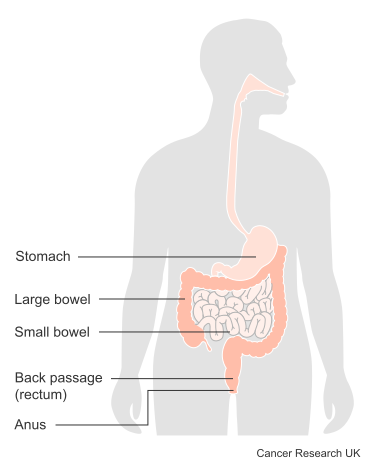
The bowel makes up a part of the digestive system. It is made up of the small and large bowel. The large bowel includes the:
colon
back passage (rectum)
back passage opening (anus)
This section is about colon and rectal cancer. We have separate sections about anal cancer and small bowel cancer.
Go to the small bowel cancer section
Bowel cancer starts in the lining of the large bowel (colon) or back passage (rectum).
Where your bowel cancer is located will affect the treatment that you might have. For example, the treatment for colon cancer can be different to the treatment for rectal cancer.
Find out about bowel cancer treatment
The colon is the first part of the large bowel. It is about 5 feet long and is divided into 4 sections. Cancer can develop in any of these.
The parts of the colon are the:
ascending colon – runs up the right side of the abdomen. It is connected to the small intestine by a section of bowel called the caecum
transverse colon – runs across the body from right to left, under the stomach
descending colon – runs down the left side of the abdomen
sigmoid colon – an 'S' shaped bend that joins the descending colon to the back passage
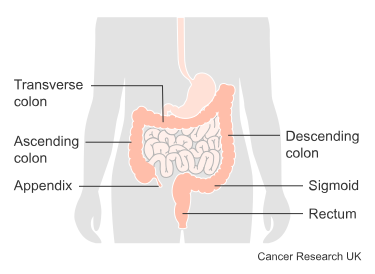
Rectal cancer starts in the last part of the large bowel (the back passage or rectum). This part of the bowel stores poo (stool) until it is ready to be passed out of the body.
Rectal cancer is also called cancer of the rectum.
Anal cancer starts in your . The anal canal is about 4 cm long and is at the end of your back passage (rectum). Poo leaves your body through your anus.
Find out more about anal cancer
The small bowel connects the tummy (stomach) and the large bowel.
Get information on small bowel cancer
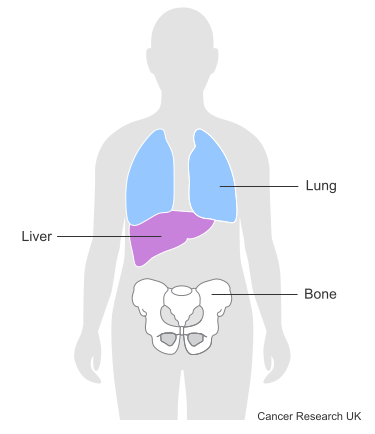
Bowel cancer can spread to another part of the body through the . The lymphatic system is made up of , which are part of the body’s immune system. One of the first places bowel cancer spreads is to the lymph nodes in the tummy (abdomen).
Bowel cancer can also spread to other parts of the body through the bloodstream. The liver is a common place for bowel cancer to spread because blood flows directly from the bowel to the liver. The cancer can also spread to the lungs or rarely other organs.
Around 48,200 people are diagnosed with bowel cancer in the UK each year. It is the 4th most common cancer in the UK.
Both men and women can get bowel cancer. It is more common in older people.
The risk of developing bowel cancer depends on many factors, including:
age
family history
genetic conditions such as familial adenomatous polyposis (FAP), Lynch syndrome and other polyp syndromes
long term (chronic) inflammatory bowel conditions such as ulcerative colitis and Crohn’s disease
diet and lifestyle factors
Last reviewed: 05 Nov 2024
Next review due: 05 Nov 2027
Treatment depends on whether you have colon or rectal cancer, as well as your cancer stage. You might have surgery, radiotherapy or chemotherapy or a combination of these.
Bowel cancer screening aims to check for bowel cancer or abnormalities that could lead to bowel cancer. There are separate bowel screening programmes for the different countries in the UK.
The stage of a cancer tells you how far it has grown through the bowel wall and whether it has spread to nearby lymph nodes or other organs. It helps your doctor to know which treatment you need.
Symptoms of bowel (colorectal) cancer can include bleeding from the back passage, blood in your poo or a change in your normal bowel habit.
Bowel cancer means cancer that starts in the colon (large bowel) or back passage (rectum). It is also known as colorectal cancer.

About Cancer generously supported by Dangoor Education since 2010. Learn more about Dangoor Education


Search our clinical trials database for all cancer trials and studies recruiting in the UK.

Connect with other people affected by cancer and share your experiences.

Questions about cancer? Call freephone 0808 800 40 40 from 9 to 5 - Monday to Friday. Alternatively, you can email us.
