Polycythaemia vera (PV)
Polycythaemia vera (PV) is a rare blood cancer that affects the bone marrow. You pronounce it as pol-ee-sigh-thee-me-a vee-rah. Poly means many and cythaemia relates to blood cells. and are also often increased with this condition.
It is one of a group of conditions called myeloproliferative neoplasms (MPNs). MNPs are conditions that cause an increase in the number of blood cells.
The World Health Organisation (WHO) classes all myeloproliferative neoplasms as blood cancers. This is because the bone marrow is producing blood cells in an uncontrolled way. But many people with myeloproliferative neoplasms feel well and only need gentle treatment. The disorders often develop slowly and progress slowly. Or they can remain stable for a while.
Polycythaemia vera usually develops very slowly. It can affect people of any age. But it usually affects middle aged and older people. The average age at diagnosis is 60 years, but it can affect young adults. It can also affect children, although this is rare. Evidence suggests that it is slightly more common in men.
To understand more about PV, it helps to know how you make blood cells.
Blood cells are made in the soft inner part of the bones, the bone marrow. All blood cells start from the same type of cell called a blood stem cell. The stem cell makes immature blood cells.
The immature cells go through various stages of development before they become fully developed blood cells and are released into the blood as:
red blood cells to carry oxygen
white blood cells to fight infection
platelets to help the blood clot
The diagram shows how the different types of cells develop from a single blood stem cell.
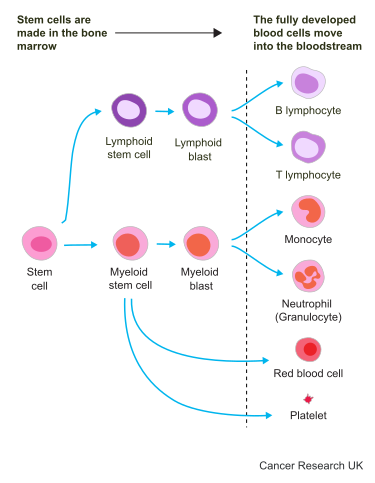
In polycythaemia vera, the stem cells make too many red blood cells. But white blood cells and platelets may also be affected.
Too many red blood cells can make the blood thicker. Having thicker blood makes it more difficult for your blood to flow around your body. It can also increase the risk of blood clots. Sometimes the extra cells are made in the spleen, which can make the spleen become enlarged.
If you have a higher number of platelets you may also be at risk of bleeding (haemorrhage).
For many people, treatment can control PV for many years. But for some people, PV can lead to other problems.
Over time PV can develop into myelofibrosis. This is scarring of their bone marrow. Less commonly, people with PV can develop acute myeloid leukaemia (AML).
Having too many red blood cells in the blood is not always due to changes in the bone marrow. Lung disease and kidney disease can also lead to an increase in red blood cells. This is called secondary polycythaemia. Secondary polycythaemia can also develop if you smoke.
The treatment for secondary polycythaemia is different from PV. You will have treatment for the condition that caused the increase in blood cells. Your healthcare team will usually discuss how lifestyle changes could help.
We know from research that more than 95 out of 100 people (more than 95%) who have polycythaemia vera have a change in the JAK2 gene. A fault in the JAK2 gene occurs in myeloproliferative neoplasms (MPNs).
The JAK2 gene makes a protein that controls how many blood cells the stem cells make. The fault with your JAK2 gene means the stem cells can start producing red blood cells when they're not meant to. This results in too many red cells being produced.
In most cases, these genetic faults happen during a person’s lifetime. You are not born with them, so you can’t pass them on to your children.
In rarer cases, you might have a history of myeloproliferative neoplasms in your family. This might mean there is a faulty gene in your family that increases your risk of developing MPNs.
Many people find out they have PV when they are having a blood test for something else. Or you might find out you have PV after tests for another condition such as a blood clot.
This is because PV develops slowly and doesn’t cause symptoms at first. As it progresses it causes symptoms. These include:
headaches
tiredness (fatigue)
burning pain in the hands and feet
blurred vision and other problems with your eyes, such as vision loss that comes and goes
night sweats
unusual bleeding, for example, nosebleeds, or you bruise more easily
itching, especially after a shower or bath, this can be severe - doctors call this pruritus
pain or discomfort in the tummy (abdomen) from an enlarged spleen
high blood pressure
gout - you might have painful, stiff or swollen joints
bleeding or blood clots, which can sometimes lead to stroke or heart problems
bone pain
reddening of the skin
feeling dizzy
chest pain
blood clots - symptoms include pain, redness and swelling around the area where the clot is and it may feel warm to touch, breathlessness, pain in your chest or upper back, or coughing up blood
Polycythaemia is rare, so if you have any of these symptoms it is more likely to be something else. But it is still important to contact your doctor to find out what is causing them.
Last reviewed: 12 Dec 2023
Next review due: 12 Dec 2026
The first test to diagnose polycythaemia vera is usually a blood test. Read about the tests to diagnose PV and the treatment you might have.
Researchers around the world are looking at better ways to treat polycythaemia vera. You can also read about organisations and resources that can help you cope.
Myeloproliferative neoplasms are a group of rare disorders of the bone marrow that cause an increase in the number of blood cells.
Myelofibrosis is a rare blood cancer. It causes scarring of the bone marrow which can develop into acute leukaemia in some people.
AML starts from young white blood cells called granulocytes or monocytes in the bone marrow. Find out about symptoms, how it is diagnosed and treated, and how to cope.

About Cancer generously supported by Dangoor Education since 2010. Learn more about Dangoor Education


Search our clinical trials database for all cancer trials and studies recruiting in the UK.

Connect with other people affected by cancer and share your experiences.

Questions about cancer? Call freephone 0808 800 40 40 from 9 to 5 - Monday to Friday. Alternatively, you can email us.
