Spot cancer early
Cancer screening is for people with no symptoms. It looks for possible signs of cancer before they are noticeable.
Screening can save lives by:
Finding cancers at an early stage, when treatment is more likely to be successful.
Finding early changes in the body that could lead to cancer. These changes can then be treated, and this can prevent cancer from developing in the first place.
There are NHS national screening programmes for bowel, breast and cervical cancer.
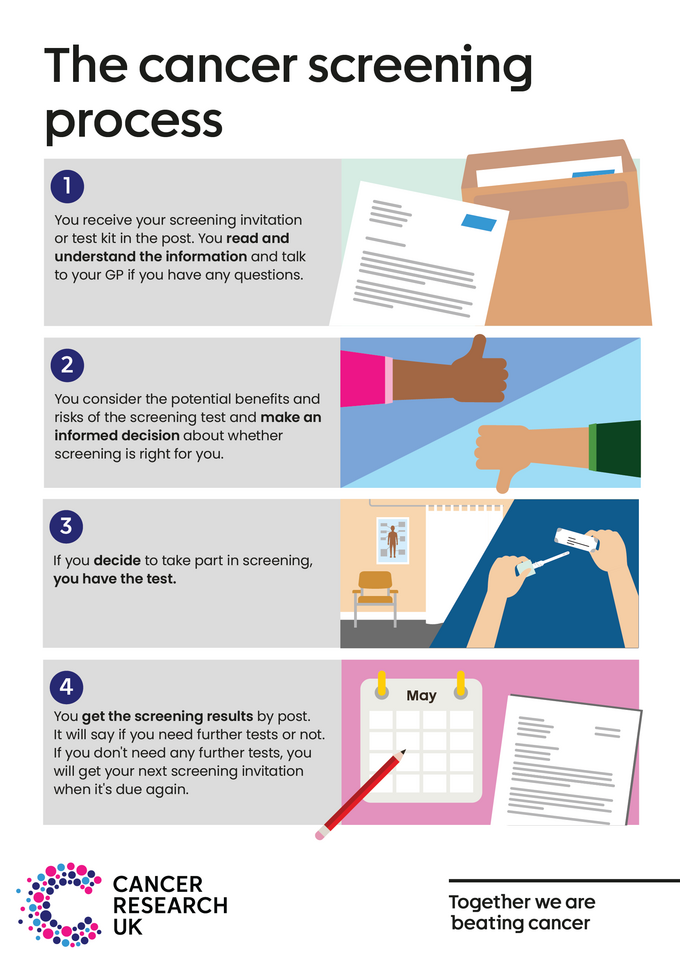
We have this information in an easy read format. This uses words and pictures to help explain what cancer screening is and how it works.
Find answers to frequently asked questions about cancer screening, including screening pros and cons, why it's only available for certain cancer types and age groups, and how to decide if screening right for you.
Cancer screening is for people with no symptoms. If something doesn’t look or feel right, don’t wait for screening – tell your doctor as soon as possible. See our top tips for talking to your doctor about symptoms.
In the UK, you will be invited to cancer screening based on things like your age and how your sex is recorded on the GP system.
The UK National Screening Committee (UK NSC) is an independent expert group. They review the scientific evidence and advise the UK Government on which screening programmes to offer. There are currently three NHS national cancer screening programmes in the UK:
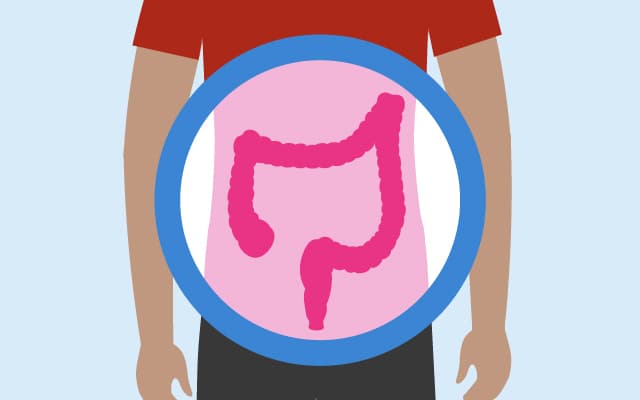
Aims to prevent bowel cancer, or find it at an early stage. You’ll be sent a poo testing kit, which you can do in your own home and return in the post.
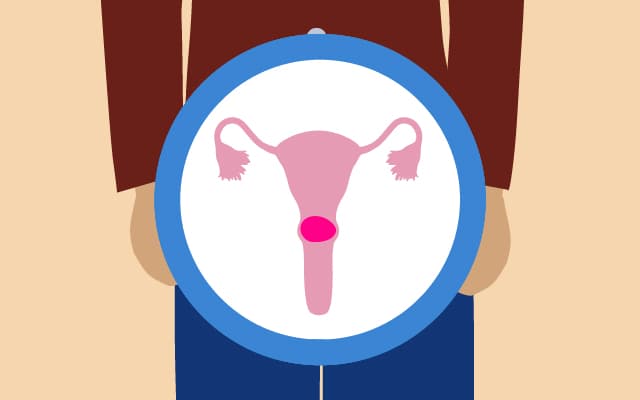
Aims to prevent cervical cancer from developing in the first place. You'll be invited to an appointment where a nurse takes a sample of cells from the cervix.

Aims to find breast cancer at an early stage. You'll be invited to an appointment where X-rays (mammograms) are taken of your breasts or chest.
You may be able to continue with some types of screening if you are older than the screening age range. This can depend on where you live. You can talk to your GP about whether carrying on with screening is right for you.
Find out more about why screening is offered at certain ages on our common questions page.
The NHS is slowly rolling out a new Lung Cancer Screening Programme for people at high risk of lung cancer. People aged 55-74 years old who currently smoke or used to smoke will receive an invitation. It will take some time before this is available across the UK.
Find out more about lung cancer screening.
In May 2026, the UK National Screening Committee (UK NSC) recommended a targeted prostate cancer screening for men aged 45-61 who have both a BRCA2 gene change and a family history of breast, ovarian, pancreatic or prostate cancer. As part of this approach, these men would be offered a prostate specific antigen (PSA) test every two years.
It's likely to take some time before screening is available to all eligible men. In England, the plan is to roll out screening for these men in 2027. The governments in Scotland, Wales and Northern Ireland are currently considering the UK NSC’s recommendation.
In the meantime, if you have a BRCA2 gene change or a strong family history and have questions, we recommend speaking to your doctor or your genetics specialist.
Find out more about targeted prostate cancer screening.
Your sex assigned at birth, and any hormones or surgeries you’ve had, may affect which screening programmes are right for you. You may not automatically be invited to some screening programmes, even if that screening test is available to you. This will depend on how your sex is registered with your GP. There are ways to make sure you can access screening programmes you are eligible for. Find more information on our screening information for trans and non-binary people webpage.
You need to be registered with a GP surgery to get your screening invitations or bowel testing kit in the post. You will be automatically invited when you are due.
It’s important to make sure your GP has your current address so you can get your screening invitations. Contact your GP if you:
haven’t had a screening invitation when you think you should
have lost your screening invitation letter
missed a screening appointment in the past
You can still take part in screening if you are eligible.
If you aren’t registered with a GP, you can find a local GP in England, Scotland, Wales and Northern Ireland.

Step: 1
You’ll get your screening invitation or bowel testing kit in the post. Read through the information carefully to help you decide whether to take part. You can also ask your GP if you have any questions. Your GP practice may also be able to help if you need information in another format or language.

Step: 2
If you decide to take part, your invitation will explain how to do the test. You may need to book or attend an appointment, or for bowel screening you can complete the poo testing kit at home.

Step: 3
You’ll get your screening results by post, usually within a few weeks. They will tell you what you need to do next. Most people don’t need further tests. In this case, you don’t need to do anything and you will get your next screening invitation when you’re due. It’s still important to tell your GP straight away if you notice any unusual changes in the meantime. If you are invited to complete extra tests, this doesn’t mean you have cancer. Most people who need further tests aren’t found to have cancer, but it’s still important you go.
Screening saves thousands of lives each year, but no screening test is perfect. Cancer screening has both possible benefits and risks. Tests can miss cancers, cause side effects, and have other risks.
Whether you take part in screening is your choice. It’s important to read the information that comes with your invitation to help you decide.
Our common questions webpage explains the possible benefits and risks. We also have tips to help you decide if screening is right for you.
Learn about screening pros and cons, why it’s only available for certain cancer types and age groups, and how to decide if it’s right for you.
Find information on UK cancer screening programmes and eligibility for transgender (trans) and non-binary people.
Our top tips for making the screening process easier, from getting your invite to understanding your results.
Last reviewed: 25 Nov 2025
Next review due: 25 Nov 2028


Questions about cancer? Call freephone 0808 800 40 40 from 9 to 5 - Monday to Friday. Alternatively, you can email us.