Advanced stomach cancer
Advanced stomach cancer means that a cancer that began in the stomach has spread to another part of the body. Some people have advanced cancer when they are first diagnosed. Other people have cancer that has come back and spread after treatment.
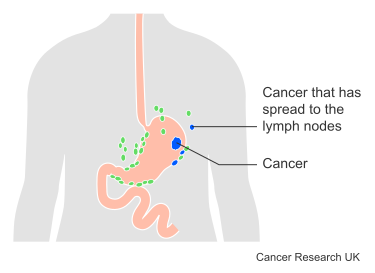
The symptoms of advanced stomach cancer depend on what part of the body the cancer has spread to. The most common place for stomach cancer to spread is to the liver. It can also spread to the lymph nodes, the tissue that lines the abdominal cavity (peritoneum), and the lungs.
You may get a number of general symptoms with stomach cancer. Some of these happen in the later stages of disease. The most common symptoms include:
unexplained weight loss
black poo which contains blood (melaena)
feeling and being sick
stomach pain
difficulty swallowing
feeling tired
Read more about the symptoms of stomach cancer
You might have any of the following symptoms if your cancer has spread to the liver:
discomfort or pain on the right side of your tummy (abdomen)
feeling sick
poor appetite and weight loss
a swollen tummy (called ascites)
yellowing of the skin and whites of the eyes (jaundice)
itchy skin
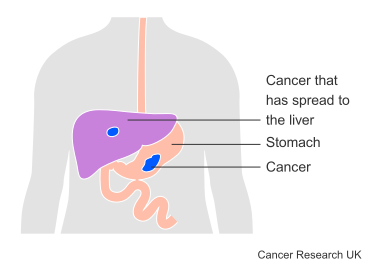
Find out about cancer that has spread to the liver
Lymph nodes are part of a system of tubes and glands in the body that filters body fluids and fights infection.
Cancer can spread to:
close by lymph nodes in the tummy (abdomen) – these are called regional lymph nodes
lymph nodes further away, for example close to your collar bone – these are called distant lymph nodes
The symptoms you have depend on which lymph nodes contain cancer. The most common symptom is the lymph node feels hard or swollen. Swollen lymph nodes in the chest can make it difficult to swallow. You might have severe upper abdominal pain that moves into your back if you have cancer in the lymph nodes in the back of your abdomen.
You might have a swollen tummy (abdomen) if your cancer has spread to the tissue that lines your abdomen (peritoneum). The swelling is due to a build up of fluid called ascites. It can make your clothes feel tighter. Your tummy might feel bloated. You might also find it difficult to sit comfortably or to move around.
The swelling caused by the build up of fluid can be uncomfortable. You may have other symptoms such as:
loss of appetite
indigestion
feeling sick
constipation
shortness of breath
Other symptoms if cancer has spread to your peritoneum can include:
a blockage in your small bowel
a lump in your abdomen
Find out about treating ascites
You may have any of these symptoms if your cancer has spread into the lungs:
a cough that doesn’t go away
breathlessness
ongoing chest infections
a build up of fluid between the chest wall and the lung (a pleural effusion)
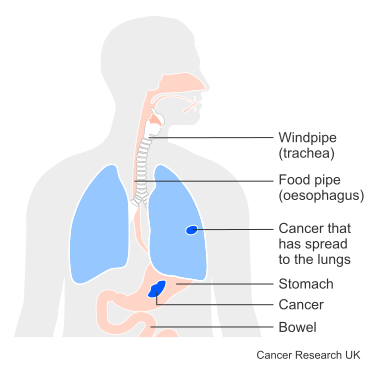
Find out about treatment for cancer that's spread to the lungs
Symptoms can usually be well controlled. Your doctor or nurse can tell you about medicines that will help you. They can also tell you about things that you or your friends and family can do.
There are symptom control teams in most cancer units. They can help you to stay as well as possible for as long as possible. They are also in hospices and many general hospitals.
Most symptom control teams have home care services so they can visit you at home.
Read more about controlling symptoms of advanced stomach cancer
Last reviewed: 30 Apr 2025
Next review due: 30 Apr 2028
Advanced stomach cancer means that a cancer that began in the stomach has spread to at least one other part of the body, such as the liver or lungs.
Your treatment depends on whereabouts your cancer is in the stomach. How big it is, whether it has spread anywhere else in your body and your general health.
There is support available to help you cope during and after stomach cancer treatment. This includes diet tips to help you eat well.
Survival depends on many factors including the stage of your stomach cancer when you are diagnosed and how it has responded to treatment. The figures for stomach cancer survival can only be used as a general guide.
Stomach cancer is cancer that starts anywhere inside the stomach or the stomach wall. It’s also called gastric cancer.



