Cancer of the ear
There are 3 parts to the ear:
the outer ear
the middle ear
the inner ear
The temporal bone is another important part of the ear. It surrounds and protects the ear.
The outer ear is the part of the ear we can see. It protects the rest of the ear and helps us collect sound.
There are 3 parts to the outer ear:
the ear flap or pinna
the ear canal (meatus)
the eardrum (tympanic membrane)
The eardrum vibrates when a sound is made.
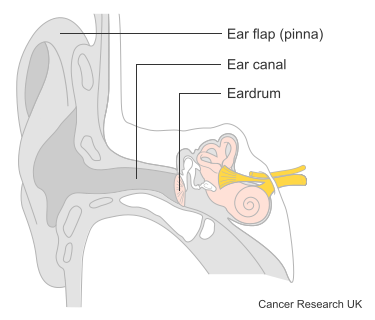
The ear canal is the passage running from the outer ear to the middle ear. It is also called the meatus.
It is part of the outer ear, but the stages, symptoms, and treatment of ear canal cancer are different to other cancers of the outer ear.
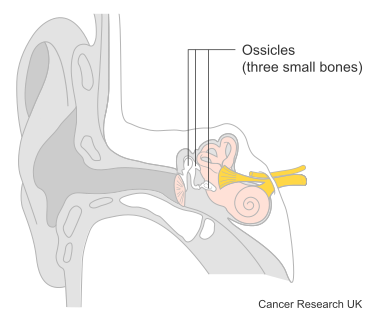
The middle ear is a small cavity that contains 3 small bones: the hammer (malleus), the anvil (incus) and the stirrup (stapes). These pass on the vibrations from the eardrum to the inner ear.
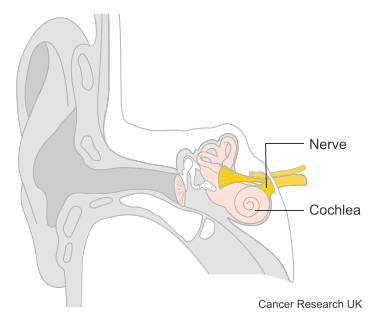
The inner ear is filled with fluid. It also contains a small spiral tube called the cochlea.
The cochlea has lots of tiny hair-like nerves on it. It converts the vibrations from the middle ear into nerve impulses which then travel to the brain.
The inner ear also has a number of fluid filled cavities which help us to balance.
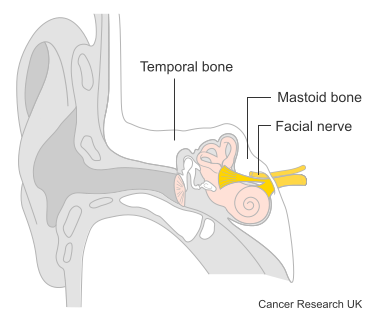
The bone that surrounds the ear is called the temporal bone. The ear canal, middle ear and inner ear are all within the temporal bone. The temporal bone is part of the skull above the ear.
One part of the temporal bone is called the mastoid bone. It is the lumpy bit you can feel behind your ear.
The outside of the mastoid bone is a hard solid bone but inside is bone that is shaped like honeycomb.
There is air inside the small cavities. They also contain the inner ear and the nerves that control the movement of the face and tongue.
A risk factor is anything that increases your risk of getting a disease. But having one of these risk factors doesn’t mean that you will definitely develop a cancer.
The risks and causes of ear cancer vary depending on where the cancer starts in the ear. We don’t know what causes most inner ear cancers.
Risk factors for cancer of the ear flap include:
having fair skin
exposure to sunlight
having a weak
Some people have repeated ear infections over a long time. They have a higher risk of developing cancer in the middle ear. Doctors are not yet clear why this happens.
Cancer of the temporal bone is rare. The possible causes are cancers extending from the ear flap. Or cancers from the parotid gland or lymph nodes around the ear can spread to the temporal bone.
Inner ear cancer is also rare. Doctors do not fully understand the causes.
The type of ear cancer tells you which type of cell the cancer started in. The ear is made of different types of cells. So there are different types of ear cancer. The most common type starts in skin cells. It is called .
Other rare types of ear cancer include:
basal cell carcinoma (BCC)
adenoid cystic carcinoma (ACC)
The symptoms of ear cancer depend on where the cancer is within the ear.
The main symptom is a spot or sore on the ear flap that doesn’t heal.
Most squamous cell cancers are pink lumps that have a hard scaly surface. They often bleed easily and ulcerate.
You should tell your doctor about any changes to a sore or mole, such as the mole growing, itching, or bleeding.
Symptoms can include:
ear pain
discharge from the ear
loss of hearing
a lump in the ear canal
weakness in your face
bleeding from the ear
The most common symptom is a discharge from the ear which may be blood stained. Other symptoms include:
hearing loss
earache
you cannot move your face on the side of the affected ear
Symptoms include:
pain
headache
hearing loss
tinnitus (noises, such a ringing, heard in the ear)
dizziness
Some people with ear cancer might also have swollen lymph nodes in their neck.
The only way to confirm a diagnosis of cancer is to take a small amount of tissue (biopsy) from the abnormal area of the ear. A specialist doctor (pathologist) then examines this under a microscope.
Before your doctor takes the biopsy, you usually have a local anaesthetic to numb the area so you don’t have any pain. Biopsies of the middle ear can be difficult to take. So in this situation, you might have a general anaesthetic instead.
Doctors do not take biopsies of the inner ear. This is because it is very difficult to reach without causing problems to other structures around it.
You might have an MRI scan or a CT scan if the biopsy shows you have cancer. The scan will show where the cancer is and how big it is. This helps your doctor decide which treatment you need.
Occasionally you might have scans before a biopsy. This may be because it’s not possible to have a biopsy. For example, the cancer is in a difficult place to take a biopsy.
You might have a PET-CT scan to check if the cancer has spread to other parts of the body.
Your doctor may suggest you have a hearing test before you have your treatment. This is to check how well you can hear in the ear that is not having treatment. You may sometimes lose your hearing in the treated ear. So you might need a hearing aid for the other ear if your hearing is not very good.
Read about the different tests
Treatment includes surgery and radiotherapy. Sometimes chemotherapy is given alongside radiotherapy, usually when surgery cannot be done.
Last reviewed: 28 Jan 2025
Next review due: 28 Jan 2028
Treatment for cancer that starts in the ear canal, middle and inner ear include surgery and radiotherapy. Find out more.
You might have surgery or radiotherapy, or a combination of both to treat cancer of the outer ear.
Head and neck cancer is a general term that covers many different types of cancer. The treatment you need depends on the type of cancer you have. We have information about the main types of head and neck cancer.
Coping with cancer can be difficult. There is help and support available. Find out about the emotional, physical and practical effects of cancer and how to manage them.



