How cancer can make you feel
Shock is often the first reaction when you are told you have cancer. You might:
feel numb
not believe what is happening or find it is not real
be unable to express any emotion
find that you can only take in small amounts of information
need to have the same information repeated to you
feel as if it is happening to someone else
It might be difficult to process the information you are given due to the shock you may be experiencing. Needing to have information repeated is a common reaction to shock. Having someone with you or asking to record the information so you can review it later can be helpful.
Your shock may be so strong that you find it difficult to talk about your illness with your family and friends. Or you may find that you need to talk about it over and over again to help the news sink in.
You might cope with the news of your cancer diagnosis by pretending it’s not happening. This may not be a conscious decision, but a gut reaction.
You might feel that you can’t or don't want to think about it.
This is a completely natural reaction. We all sometimes use denial in our day-to-day lives to help us process and cope with information.
You can tell the people around you quite firmly that, for the time being, you don't want to talk about your illness if you feel this way.
In some cases, denial can be unhelpful. Some people deny their cancer or aspects of it so firmly that they convince themselves that either they aren’t ill at all, or that their illness isn’t cancer.
You may need professional help from a psychologist or counsellor if this reaction starts to get in the way of how you think about your treatment or makes your life even more challenging.
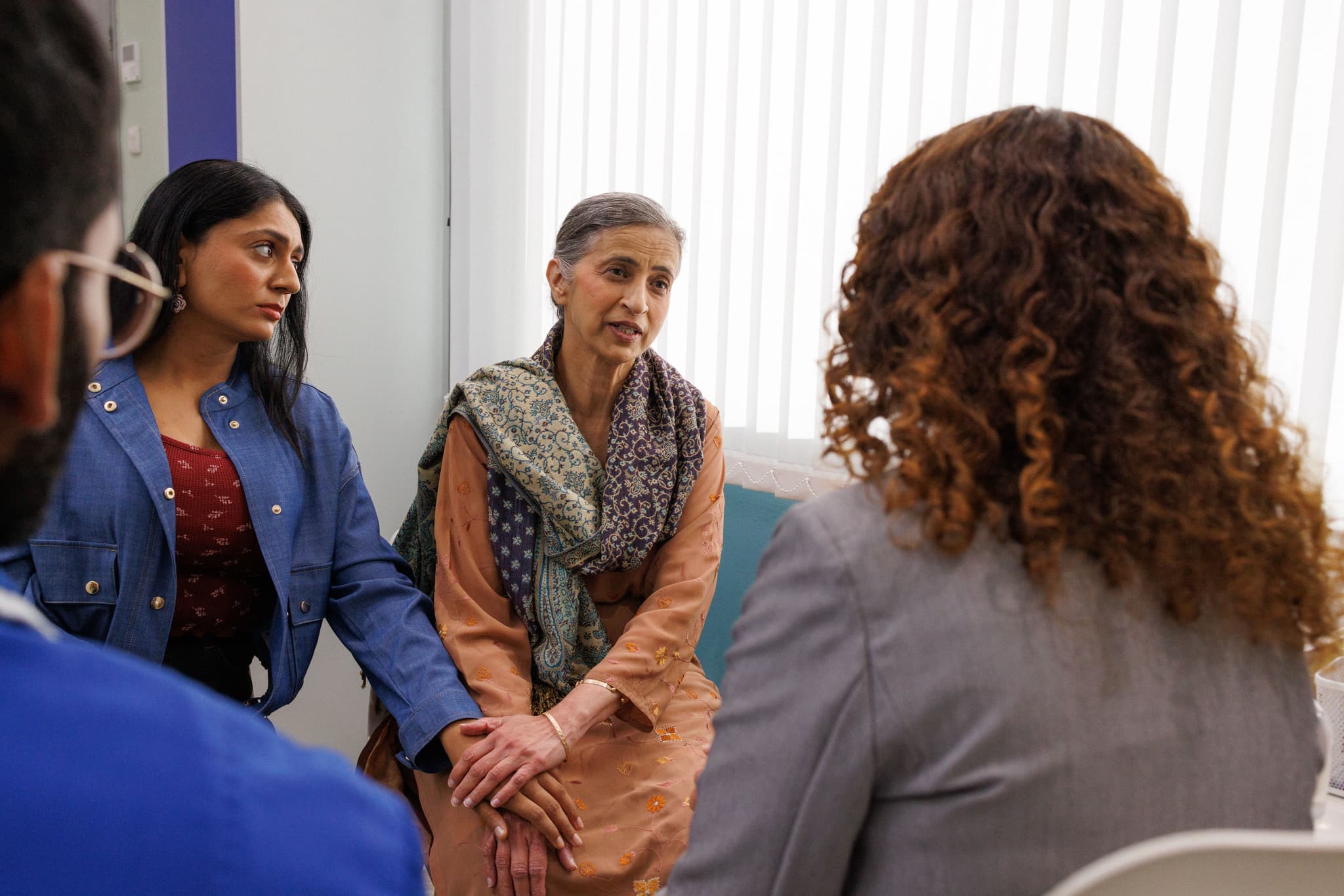
Sometimes you may find denial happens the other way round. You might need to talk about your cancer, but your family and friends may be the ones in denial. They might:
try to dismiss the fact that you are ill
seem to ignore information about your cancer
play down your anxieties and symptoms
deliberately change the subject
tell you to be 'positive' instead of listening to you
People can react in this way because they are frightened of cancer themselves or have had difficult experiences with it in the past. They may be embarrassed by talking about it. Or they may be terrified that someone they love has a life threatening condition. If they don't talk about it, they can try to pretend it isn't happening. They also might not want to talk about it because of fear of upsetting you.
But if you want their support and to share how you feel with them, this behaviour may hurt or upset you. If you feel like this, try to:
tell them how you feel
reassure them that you know what is happening
explain that talking to them about your illness will help you
suggest to them how and when is best to talk to you about this
Talking about your situation really can help.
It might help you to talk to a counsellor or psychologist if you would like to share your feelings privately and don’t feel able to talk to your friends and family.
Remember, counsellors and psychologists are there to support you in your situation.
Read more about what counselling is
Maudsley Learning, part of the South London and Maudsley NHS Foundation Trust, has a set of cancer and mental wellbeing videos for people affected by cancer.
The videos have information and advice on what to do if a cancer diagnosis affects your mental health. They cover several topics, including:
breaking bad news
managing anxiety
common reactions to a diagnosis
relationships
Last reviewed: 17 Mar 2026
Next review due: 17 Mar 2029
After a diagnosis of cancer, you might have a range of feelings including fear, sadness, anxiety and depression. These are normal responses to a stressful life experience.
Counselling can help you come to terms with your cancer. Understanding what it is and how it can help, can help you decide if it is right for you.
There are a few ways to go about finding a counsellor.
Being depressed is much more intense than feeling down or sad. Feeling sad now and then is part of life, but depression is a much stronger feeling.
There are things you can do to help yourself manage your feelings and emotions.
Whether you are someone with cancer or a carer for someone with cancer, we want you to know that it is common to struggle with your mental health when dealing with a cancer diagnosis. But there are people who can support you during this time and things you can do to help yourself.



