Fear, anxiety and panic
A diagnosis of cancer is difficult to cope with. It is normal to feel anxious, frightened or panicky at times. How you cope with these feelings depends on:
how you typically manage frightening events
how advanced your cancer is
the treatment you are offered or having
how supported you feel
You might feel frightened and worry a lot about what will happen to you. The side effects of treatment or whether your treatment will work may also be on your mind. Or you may feel that you are coping well and you just get on with it. You deal with one worry at a time.
You might have much more extreme responses, such as panic attacks, which are very different to just feeling worried.
These strong feelings can be frightening. You may feel that you are not coping well, especially if you are experiencing them for the first time. Know that you can gradually develop ways of coping with them.
There is no right or wrong way to feel about having cancer. We all deal with things in our own way and develop new ways of coping with new circumstances. A lot depends on the circumstances of our lives, which sometimes take time to adjust to.
If you feel frightened, panicky or anxious, you may have problems with:
sleeping
a lack of appetite
going out and seeing others socially
your temper (being short tempered)
concentration and remembering things
If your anxiety becomes a long term problem, you may constantly feel that something bad is about to happen. You may also:
keep asking people close to you about your illness and what they think you should do
feel very negative
feel very upset
feel unable to cope with changes to your routine
feel unable to stop thinking about your worries over and over
These can be similar to feeling very nervous about an exam, job interview or giving a speech.
There are many different physical symptoms you might have. These include:
shortness of breath, an urge to over breathe (to hyperventilate) or a dry cough
a thumping heart (palpitations) or sweating
a lump in your throat, a dry mouth or difficulty swallowing
shaking hands, overall body shakes or a fluttering feeling in your stomach (like butterflies)
chest or abdominal pain
sickness and diarrhoea
tense and aching muscles especially in the neck and shoulder area
dizziness, or light or heavy headedness or ringing in your ears
tiredness
an urgent need to pass urine
pins and needles
going red in the face or looking very pale
Being constantly anxious can also affect your relationships and sex life. You may lose interest in sex and have very low self esteem.
Sometimes fear or anxiety gets so overwhelming that you may have a panic attack.
You may have the physical symptoms of anxiety described above, but they may be far more intense. Some people even think they are going to die or go mad. Remember that this is a common experience.
Seek medical help and let your doctor or nurses know if you have frequent panic attacks and they’re not getting less often. You can learn grounding techniques from a psychologist or counsellor to help you manage better.
The experience of panic attacks can be extremely upsetting or terrifying for some people. But remember, they are not dangerous in themselves.
Read more about how to cope with fear, anxiety and panic
All these symptoms are very real, and you may worry that your cancer is causing them. That is possible with some of the symptoms. But stress and anxiety are also likely causes.
When your body is faced with something stressful or frightening, it releases adrenalin (also called epinephrine), which prepares your body to either run, fight or freeze in response to stress. This is known as the fight, flight or freeze response. It’s what makes you leap out of the way to avoid being hit by a car that appears from nowhere, or makes you go completely still if you are startled by a loud noise.
The adrenalin makes your body functions speed up, your heart beat faster and your muscles contract. It also makes your gut movements shut down.
But the natural response that is supposed to protect you can become the problem, especially when it is caused by simply thinking about a worry. The more you worry, the more likely it is that your fight, flight or freeze response starts up, and so your symptoms increase. It can become a vicious circle, which is started by a thought about something that did not or may not happen.
You may feel like you have no control over your situation. This is a feeling that many people experience, but seeking support can help you cope better.
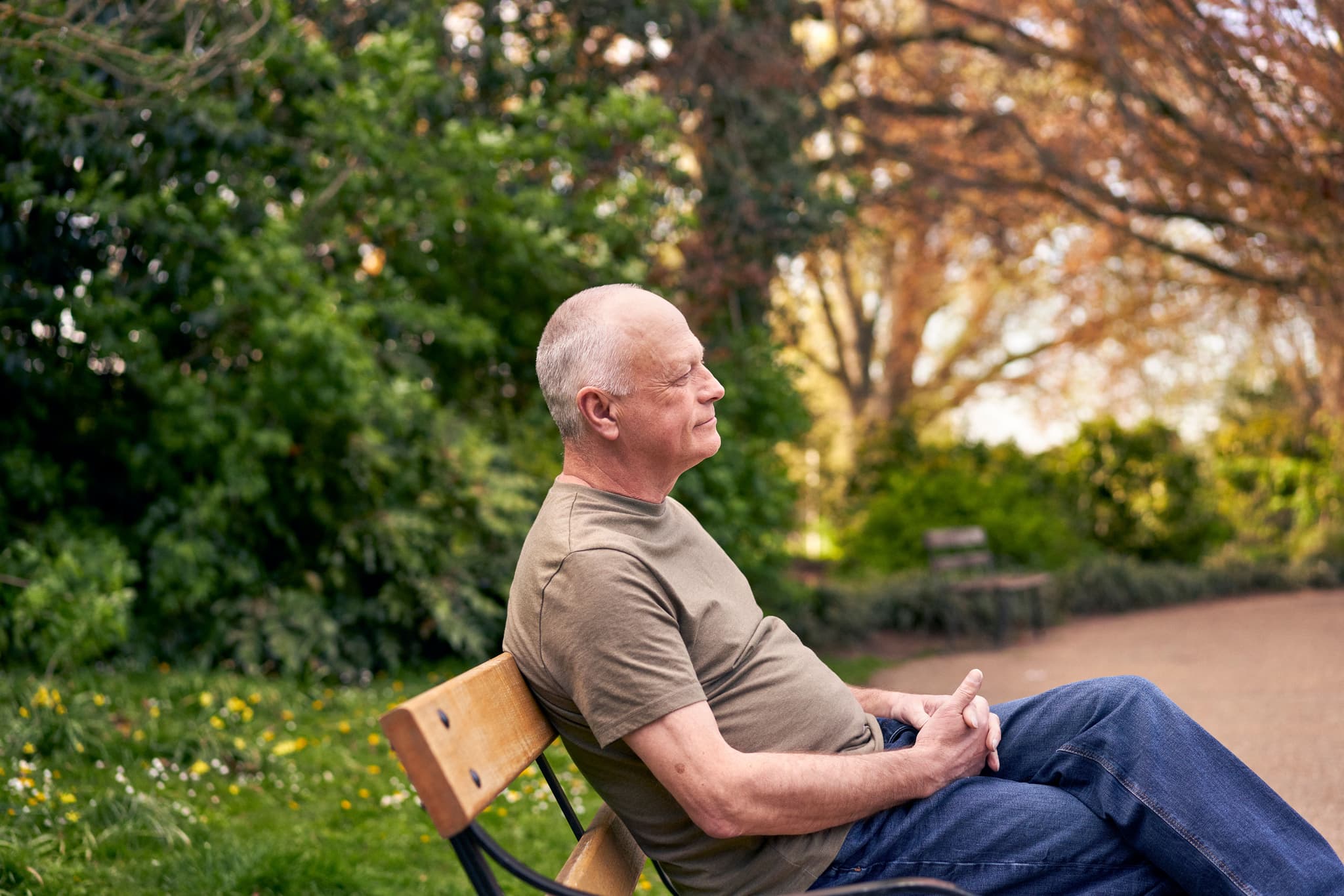
You may worry about whether your treatment will work or whether it may be very unpleasant.
There is ongoing research into improving cancer treatments. Treatments have improved a lot, and are continuing to improve.
There is research about how to reduce treatment side effects and how to control them. This makes treatment today easier to cope with than it used to be.
Take a close friend or relative with you when you visit the doctor or nurse. They can help you ask questions about your treatment.
Some people like to have a second opinion. Your doctor will not mind, and might be able to help you arrange this.
You might have lots of questions. It is important to ask, even if you think you have asked them more than once. Your doctor won't mind.
People often worry that they will be in pain if they have cancer. Or that the pain will be more than they can bear.
Many people with cancer have no pain. For people who do, many modern drugs and other types of treatment can successfully relieve or control it.
Read more about pain and pain control
The first thing most people ask about having cancer is whether they are going to die.
Many people with cancer are cured and others live for many years. Even when the cancer is not curable, treatment might help manage pain or discomfort or slow down the growth of the cancer.
It is not usually possible for doctors to say for certain that your cancer has been cured. They can’t definitely say that it will never come back. Remember, they will not hide any information they have from you. Living with this uncertainty is one of the most difficult things about having cancer.
Copoing with uncertainty can be helped by:
talking to your specialist or nurses or a counsellor
finding out as much about your illness as you can
talking with your family and friends about how you feel
Maudsley Learning, part of the South London and Maudsley NHS Foundation Trust, has a set of cancer and mental wellbeing videos for people affected by cancer.
The videos have information and advice on what to do if a cancer diagnosis affects your mental health. They cover several topics, including:
breaking bad news
managing anxiety
common reactions to a diagnosis
relationships
Last reviewed: 18 Mar 2026
Next review due: 18 Mar 2029
Fear, anxiety and panic can be difficult feelings to manage. There are different ways of dealing with these emotions to help you feel better.
Being depressed is much more intense than feeling down or sad. Feeling sad now and then is part of life, but depression is a much stronger feeling.
Counselling means someone listens to you in a supportive way.
There are several organisations that provide counselling, as well as registration for counsellors and psychotherapists.
There are a few ways to go about finding a counsellor.
Whether you are someone with cancer or a carer for someone with cancer, we want you to know that it is common to struggle with your mental health when dealing with a cancer diagnosis. But there are people who can support you during this time and things you can do to help yourself.



