How cancer can make you feel
Sadness may be there all the time. Or it may come and go, depending on what else is happening in your life.
People often say they are depressed instead of sad. But sadness is different from depression. Sadness is a natural part of any loss, grief, change or disappointment.
You might feel you should try and hide your sadness and be positive to make it easier on the people around you. Friends and family might find it hard to cope with their own sadness about your illness.
But remember that the most important thing at this time is how you feel. Pretending you are fine all the time takes energy and is tiring. It also creates distance between you and the people close to you. If everyone is trying too hard to act as if all is well, they can’t express how they really feel.
Showing your sadness can be especially hard around children or grandchildren. It isn’t easy to decide what to tell them, especially if they are very young. But it's a good idea to explain simply why someone close to them is feeling ill or sad.
Read more about talking to children
There may be times during your illness when you want to be left alone to sort out your own feelings. This can be hard for family and friends who may not understand how you feel, and want to share this difficult time with you.
You can make it easier for them by telling them that you:
appreciate their support, but you need some time to yourself
don't feel like talking about your illness now
will talk to them when you feel ready
still care about them even if you don’t want to talk now
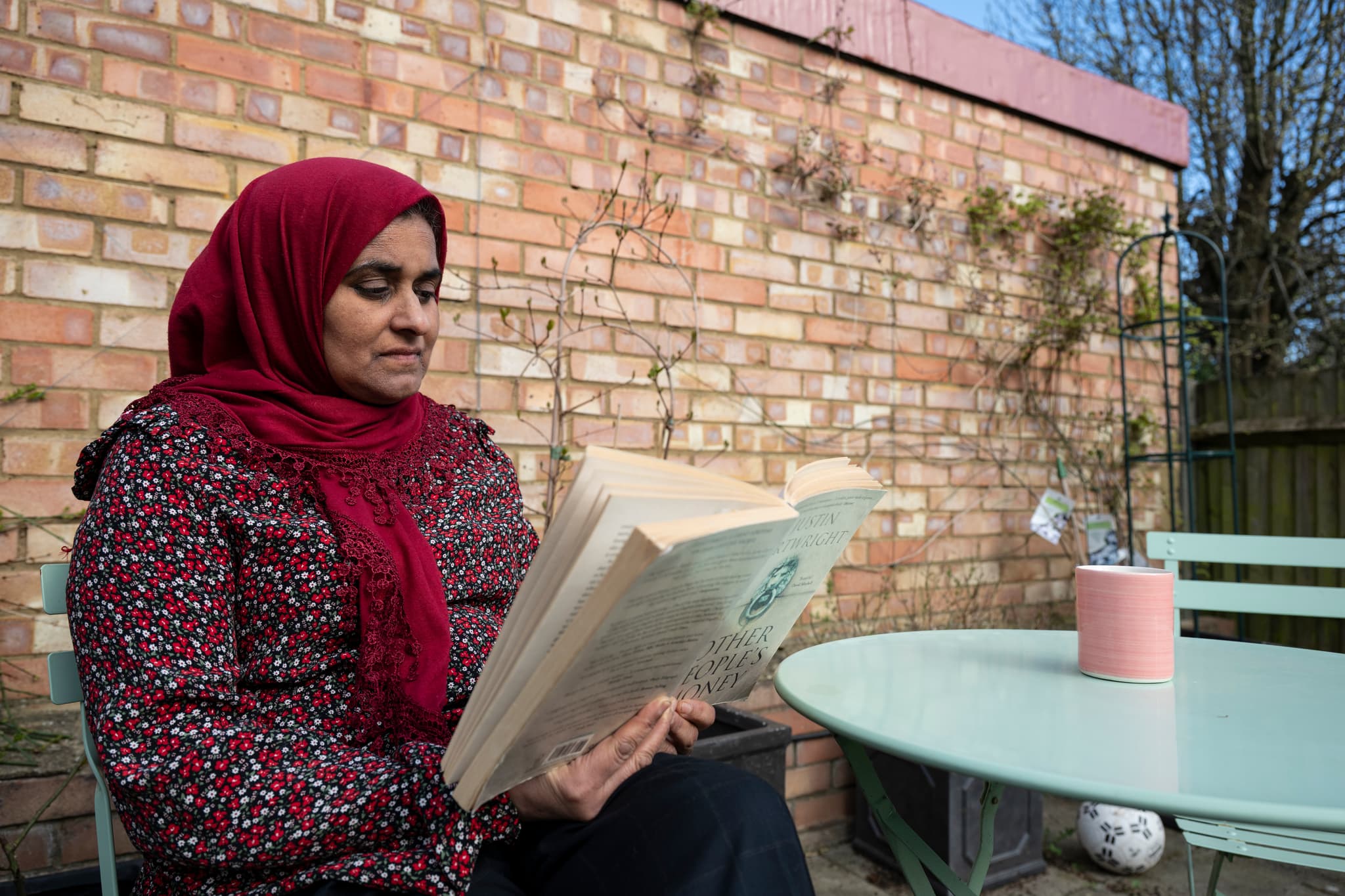
You may be surprised that others are happy to support and listen to you once they know how sad you feel. People can support you by being there for you, just letting you share your sadness, letting you cry if you feel like it, and not trying to change how you feel.
It may help to talk to a counsellor if you would like to share your feelings with someone, but don’t feel you’re able to talk to your friends and family.
If you have feelings of sadness that won’t go away for longer than two weeks and you’re finding it hard to feel good about anything or feeling hopeless, then you might be depressed.
It is important to recognise this difference between normal levels of sadness and clinical depression. But it’s hard to when you are in the middle of it.
Other people close to you may recognise signs of depression before you do. If someone close to you is worried that you may be depressed, it is sensible to listen and get a professional opinion.
Maudsley Learning, part of the South London and Maudsley NHS Foundation Trust, has a set of cancer and mental wellbeing videos for people affected by cancer.
The videos have information and advice on what to do if a cancer diagnosis affects your mental health. They cover several topics, including:
breaking bad news
managing anxiety
common reactions to a diagnosis
relationships
Last reviewed: 23 Mar 2026
Next review due: 23 Mar 2029
After a diagnosis of cancer, you might have a range of feelings including fear, sadness, anxiety and depression. These are normal responses to a stressful life experience.
Being depressed is much more intense than feeling down or sad. Feeling sad now and then is part of life, but depression is a much stronger feeling.
Counselling can help you come to terms with your cancer. Understanding what it is and how it can help, can help you decide if it is right for you.
There are a few ways to go about finding a counsellor.
There are things you can do to help yourself manage your feelings and emotions.
Whether you are someone with cancer or a carer for someone with cancer, we want you to know that it is common to struggle with your mental health when dealing with a cancer diagnosis. But there are people who can support you during this time and things you can do to help yourself.



