Advanced cancer
Find out about treating symptoms of advanced cancer
The most common places for cervical cancer to spread is to the lymph nodes, liver, lungs and bones.
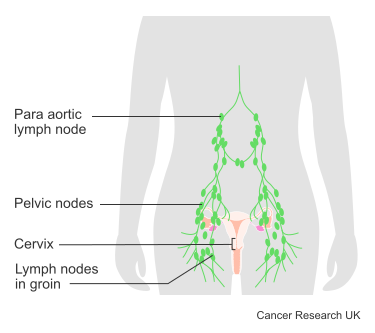
Lymph nodes are part of a system of tubes and glands in the body that filters body fluids and fights infection.
The most common symptom that happens when cancer spreads to the lymph nodes, is that they feel hard or swollen. Cervical cancer can spread to lymph nodes in the area between the hip bones (pelvis).
Cancer cells can also stop lymph fluid from draining away. This might lead to swelling in your tummy (abdomen) or legs due to fluid build up. The swelling is called lymphoedema.
You might have any of these symptoms if the cancer has spread to your liver:
discomfort or pain on the right side of your abdomen
feeling sick
poor appetite and weight loss
swollen abdomen (called ascites)
yellowing of the skin (jaundice)
itchy skin
Find out about cancer that has spread to the liver
You may have any of these symptoms if cancer has spread to your lungs:
a cough that doesn’t go away
breathlessness
coughing up blood
a build up of fluid between the chest wall and the lung (a pleural effusion)
Find out about treatment for cancer that has spread to the lungs
Cervical cancer may spread to the bones. The most common symptom if cancer has spread to the bone is bone pain. It is usually there most of the time and wakes you up at night. It can be a dull ache or stabbing pain.
Your bones might also become weaker and more likely to break (fracture).
Having bone pain does not mean that your cancer has definitely spread to the bones. There may be other reasons for your bone pain. Speak to your doctor or nurse if you are worried.
Find out about treatment for cancer that has spread to the bones
Last reviewed: 22 Nov 2023
Next review due: 22 Nov 2026
Advanced cervical cancer means the cancer has spread from the cervix to another area of the body.
Your treatment depends on several factors. These include what type of cervical cancer you have, how big it is, whether it has spread (the stage) and the grade. It also depends on your general health.
The symptoms of advanced cervical cancer depend on where the cancer is in your body. The team looking after you will offer support and treatment to help.
Find out about tests to diagnose cancer and monitor it during and after treatment, including what each test can show, how you have it and how to prepare.
Cervical cancer is when abnormal cells in the lining of the cervix grow in an uncontrolled way. The cervix is part of the female reproductive system.



