Planning chemotherapy
There are a number of reasons that this might happen. Your healthcare team will discuss any changes to your chemotherapy plan with you.
Your healthcare team regularly checks the effects of the chemotherapy on your blood, bone marrow and organs.
Throughout your treatment you’ll have blood tests to check:
your full blood count – the number of red cells, white cells and platelets
your kidneys and liver – some chemotherapy drugs can affect how well they work
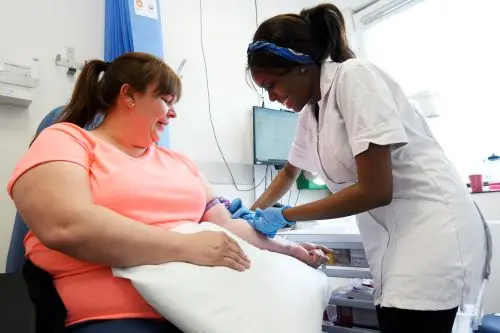
If your blood counts are abnormal, the doctors will delay your next treatment until they have recovered. This may be called a chemotherapy break.
If it happens too often or if the chemotherapy is affecting your organs (for example, your kidneys), you may need to have lower doses of the drugs.
It’s important not to think of this as a setback. Chemotherapy affects some people more than others, and doctors need to adjust the doses to take this into account.
Read more about having a blood test
Your doctor will try to plan the treatment around any special requests you have. You may be able to delay a treatment to fit in with special occasions, such as a holiday or a family wedding. Tell your healthcare team about this in plenty of time and it may be possible.
Your doctor might be able to assess how well your treatment is working. At least once in your course of treatment, you could have:
x-rays
scans
blood tests – to check the levels of chemicals (markers) that some cancers produce
the lump measured if your doctor can see or feel it from the outside of your body
The results from these tests could show how much the cancer is shrinking as a result of your treatment.
If the drugs aren’t shrinking the cancer enough, your doctor may change your treatment plan. Different drugs, or even a different type of treatment altogether, may give a better result.
Each cancer behaves and responds to treatment differently. If your doctor doesn't suggest scanning you during your treatment, this is because there won't be much to see. It might be better to wait until the whole course of treatment is over and then see what’s happened.
Sometimes it can be difficult to assess whether chemotherapy is working. For example, if you’re having chemotherapy after surgery to remove cancer. This treatment aims to kill off any cancer cells that are left after your operation. These cells are too small to see on scans.
Last reviewed: 12 Dec 2023
Next review due: 11 Dec 2026
Cancer drugs can cause bruising and bleeding, an increased risk of infection and breathlessness. But there are treatments that can help.
Chemotherapy works by killing cancer cells and has different effects on different types of cancer. You might have a combination of different chemotherapy drugs.
Before and during your chemotherapy course you need some tests. These help your doctor decide whether you are fit enough for treatment, and how well treatment is working.
Your doctor will tell you about your individual treatment plan. The treatment will include one or more chemotherapy drugs.
Most chemotherapy side effects are temporary, but some people are affected months or years after treatment.
Chemotherapy is a standard treatment for some types of cancer. It uses anti cancer drugs to destroy cancer cells.



