Radiotherapy to the brain can cause short term side effects like tiredness and sickness. These usually improve in a few weeks or less. Some long term side effects can last longer or can be permanent.
About side effects of radiotherapy
You might not notice side effects straight away. They usually develop gradually during treatment and can continue for a few weeks afterwards.
Short term side effects usually improve within a few weeks after treatment finishes. Long term effects can last longer and may sometimes be permanent.
Everyone reacts differently to radiotherapy, so how you feel can vary from person to person.
Side effects also depend on:
the part of the brain being treated
the amount of radiotherapy you have
any other treatments you are having. For example, side effects may be worse if you are also having chemotherapy
Your treatment team will discuss the possible side effects with you before you start treatment. They will also help you manage any side effects you may have. Speak to your radiographers or specialist nurse if you have any questions or are worried about any side effects you have.
You might feel very tired during your treatment. It tends to get worse as the treatment goes on. You might also feel weak and lack energy. Rest when you need to.
Tiredness can carry on for some weeks after the treatment has ended. But it usually improves gradually. For some people, the tiredness can continue for several months or longer.
Various things can help you to reduce tiredness and cope with it. Some research has shown that taking gentle exercise can give you more energy. Ask your healthcare team for advice about exercise in your situation. It's important to balance exercise with rest.
Somnolence syndrome
In a few people, tiredness can become very severe within a few weeks after the treatment finishes. This is called somnolence syndrome. You might also have other symptoms such as headaches and loss of appetite.
Radiotherapy to the brain can cause hair loss or thinning. If you are having treatment to a particular part of the head, your hair usually falls out in that area. You might also have some hair loss on the opposite side of the head, where the radiotherapy beams pass through. This area is called the exit site.
Whether or not your hair grows back depends on the type of radiotherapy you're having. For example, if you're having radiotherapy to treat your symptoms, it's likely that your hair will grow back. Whereas treatment to try to cure your cancer uses a high dose of radiation so permanent hair loss is more common.
You might like to cover your head with a soft hat, scarf or wig until your hair grows back.
You might feel sick during treatment and for a few weeks after the treatment has finished. Sickness is usually well controlled with medicines. Your treatment team can give you anti sickness tablets. Some people find that it helps to take them 20 to 60 minutes before having treatment.
Your doctor might also give you steroids. Radiotherapy to the brain can cause swelling which can lead to nausea. Steroids can help to reduce swelling and sickness.
Radiotherapy for brain tumours can sometimes make symptoms worse before they get better. This is because the treatment can cause swelling in the brain. The swelling increases the pressure in the head and makes the symptoms worse.
This can be frightening because you might think the radiotherapy isn't working. Increased pressure in the brain might cause:
headaches
feeling sick
fits (seizures)
You usually take steroids during treatment to help with this. Steroids are naturally made by our bodies in small amounts. They help to control many functions. This includes reducing swelling.
You can take steroids as a treatment to help reduce swelling. You usually have a steroid called dexamethasone. Other steroid drugs include prednisolone and methylprednisolone.
This video shows people affected by cancer talking about the side effects of radiotherapy for brain cancer. The video is around 5 and a half minutes long.
Side effects of stereotactic radiotherapy and radiosurgery
Stereotactic radiotherapy and radiosurgery targets the radiation very precisely at the tumour. This means the tumour receives a high dose of radiation and the tissues around it receive a much lower dose. So the treatment tends to have fewer or milder side effects than regular radiotherapy to the brain. This treatment isn’t suitable for everyone.
Side effects include:
tiredness
feeling sick
headaches
feeling dizzy
a patch of hair loss
fits (seizures)
Long term side effects
Most side effects gradually go away in the weeks or months after treatment. But some can continue or start months or years later.
Long term side effects won't happen to everyone. It's important to remember that the benefits of the radiotherapy usually far outweigh the risks.
Radiotherapy treatment has improved, so long term side effects are less common now than they were a few years ago. Side effects can include:
Radiation can cause changes in the brain tissue. Blood vessels may slowly become scarred and blocked, reducing the blood supply to some areas of the brain. This can have an effect on your brain function. Symptoms of this include:
problems thinking clearly
difficulty managing tasks that you previously found easy
poor memory
confusion
headaches similar to migraines that come and go
You might also have symptoms similar to those you had when you were first diagnosed.
Speak to your doctor or radiographers if you have these symptoms. They can talk to you about ways you can cope with them.
Over a period of time, the treated area might develop a small area of dead cells. This is called radiation necrosis.
Radiation necrosis usually happens 1 to 3 years after the treatment finishes.
Most people don't have symptoms and do not need treatment. A small number of people might develop symptoms. These include headaches, seizures, and confusion. The symptoms depend on the area of the brain affected. If this is the case, you might have treatment with steroids or an operation to remove the affected area.
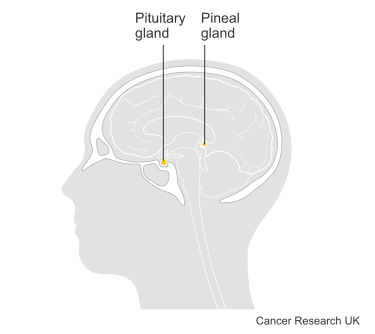
You might have changes in the levels of certain hormones if you have had treatment near your pituitary gland.
For example, you might have thyroid problems or low levels of the hormone cortisol. You usually have blood tests to check for this. Your doctor can give you replacement hormones to take if you have changes in the levels of hormones.
In very rare cases, you may develop another brain tumour many years after you were first treated. This is because, although radiation kills cancer cells, it is also a risk factor for developing them.
Talk to your treatment team if you are worried about developing a second cancer in the future.
You might develop a cataract in the lens of your eye if you have radiotherapy close to your eye. Cataracts can make your vision cloudy, blurred or dim. You can usually have a small operation to treat cataracts.
Radiotherapy can also cause dryness of the eyes over time, which can be treated with eye drops.
You might have ringing in your ears (tinnitus) after radiotherapy treatment. This can continue for months or longer. You might also develop hearing loss months or years after your treatment finishes. You might be referred to an Ear nose and throat (ENT) specialist for treatment.
Driving
You might not be able to drive for some time after radiotherapy treatment for a brain tumour. Ask your doctor or specialist nurse how your diagnosis and treatment might affect your right to drive.
Worries about treatment side effects
You may feel anxious about radiotherapy side effects and this is normal. It can help to talk through any worries you have with your doctor, nurse or radiographer.