Surgery for stomach cancer
You might need surgery to relieve symptoms if you have advanced cancer and it can’t be cured. This is called palliative surgery.
The main reason people have surgery is to relieve a blockage. Stomach cancer can grow so that it blocks or partly blocks, the passage of food through your digestive system. This can cause:
feeling full after eating only small amounts
pain
sickness
constipation
bleeding
You may have surgery to relieve these symptoms, or stop them getting worse.
There are two types of operation:
surgery to remove part of your stomach – partial gastrectomy
bypass surgery
Other treatments for a blockage include:
a stent
chemotherapy or targeted cancer drugs
radiotherapy
Read about other treatments for stomach cancer
Removing part of your stomach is also called a partial gastrectomy. This surgery can relieve a blockage. How much the surgeon removes depends on the position of the cancer.
You have a smaller stomach afterwards and you need to eat small amounts more often, rather than a big meal.
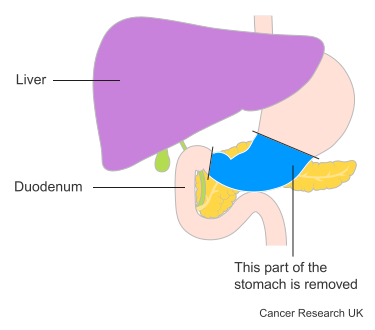
Read more about surgery to remove your stomach
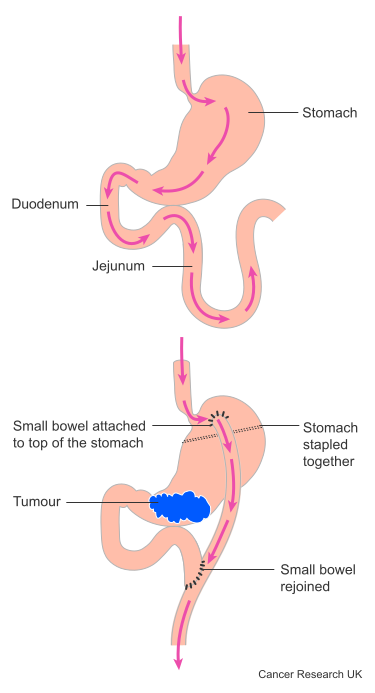
You may have a bypass operation if your surgeon can’t remove the cancer. The surgeon attaches the small bowel (jejunum) to the part of the stomach above the blockage. The food can then move through the bowel.
Last reviewed: 14 Mar 2025
Next review due: 14 Mar 2028
The type of surgery you need depends on where the cancer is in your stomach and the stage of your cancer.
Before surgery, you have tests to check your fitness and you meet members of your treatment team. You usually go into hospital on the morning of your operation or the day before.
Surgery to remove stomach cancer is major surgery. You wake up in the intensive care unit or a high dependency recovery unit.
Stomach cancer and its treatment can cause problems with eating. Dietitians can help you cope with diet problems and suggest the best foods to eat.
There is support available to help you cope during and after stomach cancer treatment. This includes diet tips to help you eat well.



