Lung neuroendocrine cancer
Typical carcinoids and atypical carcinoids are both types of lung NETs. Small cell lung cancer and large cell neuroendocrine carcinoma are both types of lung neuroendocrine carcinomas (NECs)
Find out more about the difference between NETs and NECs
Lung neuroendocrine cancer can start in any part of the lungs or airways. These are part of the breathing system which is also called the respiratory system. The respiratory system includes:
the nose and mouth
windpipe (trachea)
airways to each lung (right and left bronchus)
lungs
The right lung is divided into 3 sections called the upper, middle and lower lobes. The left lung is divided into 2 sections called the upper and lower lobes.
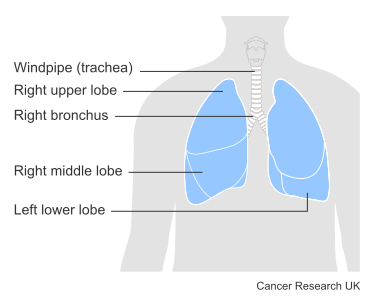
There are different types of cancer that develop in the lung. Around 20 out of every 100 lung cancers (around 20%) diagnosed every year are lung neuroendocrine cancers.
Most lung neuroendocrine cancers are a type called small cell neuroendocrine carcinoma:
15 out of 100 lung cancers (15%) are small cell neuroendocrine carcinomas (NECs)
around 3 out of 100 lung cancers (around 3%) are large cell neuroendocrine carcinomas (NECs)
around 2 out of 100 lung cancers (around 2%) are lung neuroendocrine tumours (NETs) – doctors also call these lung carcinoids
Although most neuroendocrine cancers start in the digestive system (gut), the lungs are the second most common place. Around 20 out of every 100 neuroendocrine cancers (around 20%) diagnosed in the UK start in the lungs.
Read more about the different types of lung neuroendocrine cancer
Some things increase the risk of developing lung neuroendocrine cancers. But having one of these risk factors doesn’t mean that you will definitely develop a cancer.
The risk factors for lung neuroendocrine cancer include:
previous history of cancer
smoking
Multiple endocrine neoplasia 1 (MEN1)
Read more about the risks and causes of neuroendocrine cancer
Some people don’t have symptoms. Doctors diagnose them when doing tests for something else.
When you do have symptoms, they are usually caused by:
the growth of the cancer in your lung or airway
the neuroendocrine cancer spreading to other parts of the body
made by the cancer, but this is rare for lung neuroendocrine cancer
Symptoms of lung neuroendocrine cancer might include:
a cough that doesn’t go away
wheezing
coughing up blood
feeling short of breath
aching or pain in your chest
ongoing chest infections
feeling very tired (fatigue)
Some lung neuroendocrine tumours (NETs) make extra hormones and they release these into the bloodstream. This is less common in lung NETs compared to NETs that start in the .
The hormones can cause symptoms that can seem separate to the cancer. These symptoms include:
skin flushing
diarrhoea
wheezing
fast heart beat
Doctors call this collection of symptoms carcinoid syndrome. It is more likely to happen if the lung NET has spread to other parts of the body, especially the liver.
You might not have any symptoms. You may be diagnosed with a lung neuroendocrine cancer during tests for another condition.
If you have symptoms, you usually see your GP first. They might organise some tests. This might include blood tests and a chest x-ray.
Your GP will decide if you need to see a specialist.
Find out more about seeing a specialist
If your doctor suspects cancer, you have tests to check the type of cancer you have. Tests also show the size of the cancer and whether it has spread. This helps your doctor plan your treatment.
Tests might include:
blood and urine tests - these check your general health and check levels of substances raised by neuroendocrine cancer
radioactive scans – these are (or octreoscans) and MIBG scans
a
tests to check your heart and breathing
There are different types of PET-CT scan. These include FDG PET and Gallium Dota PET scan. The scans provide different information. You may have one or both of these scans. It depends on your situation.
Read more about tests to diagnose neuroendocrine cancer
The best person to talk to you about your outlook () is your specialist doctor. Not everyone wants to know. People cope differently with cancer and want different information.
Survival depends on many factors. So no one can tell you exactly how long you will live. Your doctor might be able to give you some guide, based on their knowledge and experience.
Read more about survival for lung neuroendocrine cancers
The tests and scans you have give information about:
your type of cancer
the grade of your cancer - this is how quickly or slowly the cancer cells are growing and dividing
the stage of your cancer - this is how big the cancer is, and whether it has spread
This information helps your doctor decide which treatment you need.
Read about grades, types and stages of lung neuroendocrine cancer
Last reviewed: 14 Feb 2025
Next review due: 14 Feb 2028
Neuroendocrine cancers are also called neuroendocrine neoplasms (NENs). There are 2 key groups - neuroendocrine tumours (NETs) and neuroendocrine carcinomas (NECs).
The grade shows how quickly or slowly the cancer cells are dividing and growing. The stage tells you its size and whether it has spread. There are different types. Typical carcinoid and atypical carcinoid are types of lung NET. Small cell and large cell are types of lung NEC.
Your treatment depends on several factors. These include the type of lung neuroendocrine cancer, where the cancer is, its size and whether it has spread (the stage).
Survival (prognosis) depends on several factors. This includes your type of neuroendocrine cancer, where it is in your body, and whether it has spread.
Practical and emotional support is available to help you cope with neuroendocrine cancer.
Neuroendocrine cancers develop in cells of the neuroendocrine system. They can develop in different parts of the body including the lungs, stomach, pancreas and bowel.

About Cancer generously supported by Dangoor Education since 2010. Learn more about Dangoor Education


Search our clinical trials database for all cancer trials and studies recruiting in the UK.

Connect with other people affected by cancer and share your experiences.

Questions about cancer? Call freephone 0808 800 40 40 from 9 to 5 - Monday to Friday. Alternatively, you can email us.
