Living with acute lymphoblastic leukaemia (ALL)
Diet plays an important part in coping with cancer and its treatment. A good, well balanced diet can help you feel stronger, have more energy, and recover more quickly. When you are having treatment for ALL, eating can sometimes be a challenge and knowing what to eat can be difficult.
After treatment, most people can eat whatever they want.
While having treatment your weight may have changed, and you might have lost weight. This may be because of your treatment side effects such as:
loss of appetite
taste changes
feeling sick
a sore mouth
constipation or diarrhoea
Or you might have put on weight from the steroids you had as part of your treatment.
If you still find it difficult to eat, you can try high calorie and high protein drinks. You might have had these drinks during treatment. Once your treatment has finished, you should begin to feel better and be able to eat a normal diet. This can take a while after intensive treatment.
Find out how to manage diet problems
After having cancer, many people look at their diet and make changes, deciding to choose healthier options.
For a healthy diet, eat mostly:
vegetables
fruit
wholegrains like whole meal bread, brown rice and rolled oats
healthy sources of protein like fish, chicken and pulses (such as beans, lentils and chickpeas)
Have less:
processed and red meat
sugary drinks
high calorie foods like fast food and food high in sugar
alcohol
Get tips on how to cut down on alcohol
It is important to eat a varied diet. This includes a range of food in the right proportions and drinking plenty of fluids. But this doesn’t mean you can’t allow yourself the occasional treat.
The diagram below shows you how much of each food group you should eat each day to follow a varied diet.
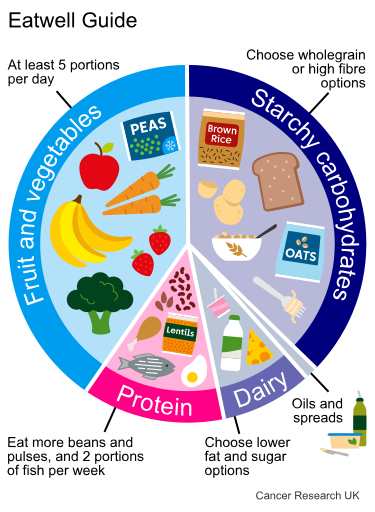
This diagram is called Eatwell Guide. We have Eatwell Guides for people who follow African, Caribbean, South Asian and vegan diets.
Find out more about the Eatwell Guides on our diet section
Ask your healthcare team if you have any questions about your diet following your cancer treatment
Get advice about how to enjoy a healthy diet
During treatment your team may have advised you to make changes to your diet. This is to reduce the chance of picking up an infection from your food.
Check with your doctor or nurse what you can eat after your or CAR T-cell therapy. Your immune system might take some time to recover so you might need to be careful with food hygiene for a few months. The advice can vary slightly between hospitals.
Find out more about CAR T-cell therapy
General advice includes:
eating only freshly cooked food
avoiding undercooked eggs
avoiding soft cheese and blue cheese
avoiding creamy cakes and puddings
avoiding shellfish
washing salads and fruit very thoroughly
avoiding takeaways and fast food restaurants (or make sure they make you freshly cooked food)
Don't drink more than the recommended level of alcohol. Ask your doctor if alcohol will interfere with any medicines you are taking.
Get more information about life after a stem cell transplant
You might feel less physically fit after treatment for ALL. Physical activity is a great way to help you feel better, both physically and emotionally.
It can help to:
improve your heart health and strength
reduce tiredness (fatigue)
reduce symptoms of anxiety and depression
But it is important not to overdo it. How much you can do will depend on how fit you are and how you feel. You will probably have days when you don’t have so much energy. Listen to your body and build up slowly.

Gentle walking is suitable for most people to start with. If you don't have a central line, you can do most contact sports and swimming once your are back to normal and you feel up to it.
Last reviewed: 24 Jan 2025
Next review due: 24 Jan 2028
You may find it difficult coping with a diagnosis of ALL both practically and emotionally. Find out about the things you can do and who can help you cope.
Acute lymphoblastic leukaemia (ALL) and its treatment can affect your sex life and cause fertility issues. Find out what can happen and ways to help you cope.
It takes a long time to recover after having a stem cell transplant for acute lymphoblastic leukaemia (ALL). Find out how you might feel, your social life, work, exercise, sex life and travel.
There are lots of organisations, support groups, booklets, videos and other resources to help you cope with acute lymphoblastic leukaemia (ALL) and its treatment.
Acute lymphoblastic leukaemia is a type of blood cancer. It starts from young white blood cells called lymphocytes in the bone marrow.
Acute lymphoblastic leukaemia (ALL) starts from young white blood cells called lymphocytes in the bone marrow. Find out about symptoms, tests to diagnose, treatments and how to cope.



