Nasal and paranasal sinus cancer
Nasal and paranasal sinus cancer is when abnormal cells start to grow and divide uncontrollably. These cells are in the lining of the space behind the nose (nasal cavity) or the nearby air cavities (paranasal sinuses). It sometimes spreads to and rarely to other parts of the body.
Your nostrils open into the space behind the nose (nasal cavity). The nasal cavity is a space above the roof of your mouth. It curves down to connect with your mouth at the back of your throat.
The nasal cavity warms and moistens the air we breathe and helps to filter out small particles and harmful bacteria. It also has small receptors that catch the molecules responsible for smell in the air.
The area where the nose and throat meet is called the nasopharynx. If you have cancer here, it’s called nasopharyngeal cancer. It is different from nasal and paranasal sinus cancer.
Read about nasopharyngeal cancer
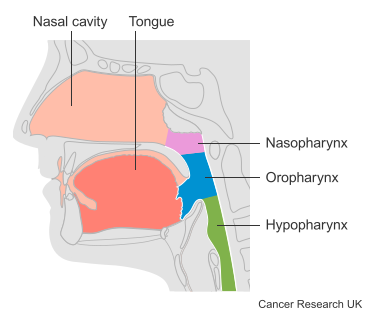
The nasal cavity is close to your eyes, the nerves that leave at the bottom part of the brain (cranial nerves) and your mouth. Cancer in this area can sometimes spread causing pressure and pain in these structures. This could affect your vision and ability to open your mouth.
Cancer in the nasal cavity can also affect your sense of smell.
Read about living with these changes
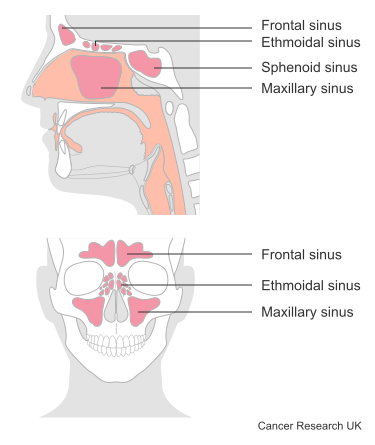
Paranasal means around or near your nose. Sinuses are spaces or small tunnels. Paranasal sinuses are small, air filled spaces within the bones of your face. They are above and behind your nose and behind your cheekbones. They give your voice its clarity and tone and lighten the weight of your skull. There are several pairs of sinuses and cancer can develop in any of them.
You have:
maxillary sinuses behind your cheeks, below your eyes and on either side of your nose
frontal sinuses at the very top of your nose in your forehead close to the eyebrows
ethmoid sinuses between the upper nose and the eyes
sphenoid sinuses behind the ethmoid sinuses, above the nasopharynx and between the back of your eyes
These sinuses fill with mucus and become blocked during infections like a cold. This causes the pressure and pain you feel around your nose and eyes when you have a cold (sinus pain).
Like other parts of the body, the head and neck contains lymph nodes (also called lymph glands). These small, bean shaped glands are part of the lymphatic system. Lymph nodes are often the first place cancer cells spread to when they break away from a tumour.
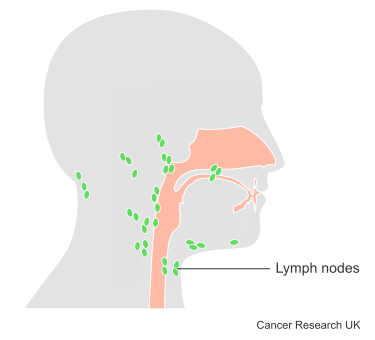
There are major groups of lymph nodes in the neck. Nasal and paranasal sinus cancers can spread to these nodes.
You may need an operation to remove lymph nodes. This will usually be on the same side of your neck as the cancer.
More rarely, a surgeon may suggest removing nodes from both sides of your neck. These operations are called neck dissections. You may hear your surgeon call this type of surgery a radical neck dissection.
A specialist in human tissues (a pathologist) examines the lymph nodes to see if they have cancer cells. It helps them to find out how advanced the cancer is. This is also called the stage of the cancer and helps doctors decide on the most suitable treatment for you.
Nasal and paranasal sinus cancer starts in the lining of the space behind the nose (nasal cavity) or the nearby air cavities (paranasal sinuses). It may spread to lymph nodes or rarely to other body parts such as the lungs, bones or liver.
Most nasal and paranasal sinus cancers are squamous cell carcinomas. Squamous cells are the flat, skin-like cells that cover the lining of the mouth, nose, voice box (larynx), thyroid and throat. Carcinoma means cancer. So, squamous cell carcinoma is a cancer that starts in these cells.
Other types include:
adenocarcinomas
adenoid cystic cancers
lymphomas
plasmacytomas
melanomas
olfactory neuroblastomas
neuroendocrine carcinomas
sarcomas
Read more about the types of nasal and paranasal sinus cancer
Nasal and paranasal sinus cancer is more common in men.
Cancer of the nasal cavity and paranasal sinuses is rare. Only around 600 cases are diagnosed in the UK each year compared with around 42,900 cases of bowel cancer.
Last reviewed: 12 Dec 2023
Next review due: 12 Dec 2026
Nasal and paranasal sinus cancer can cause symptoms such as nose and eye problems, as well as other symptoms such as a lump or a growth.
Smoking, certain substances and HPV are some of the risks and causes of nasal and paranasal sinus cancers.
Survival depends on the stage of your cancer. This means how big it is and whether it has spread.
You usually start by seeing your GP. They will examine you and might refer you for tests or to a specialist.

About Cancer generously supported by Dangoor Education since 2010. Learn more about Dangoor Education


Search our clinical trials database for all cancer trials and studies recruiting in the UK.

Connect with other people affected by cancer and share your experiences.

Questions about cancer? Call freephone 0808 800 40 40 from 9 to 5 - Monday to Friday. Alternatively, you can email us.
