About Cancer
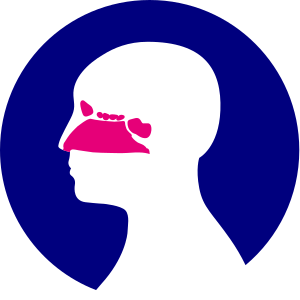
Cancer can start in the lining of the space behind the nose (nasal cavity) or the nearby air cavities (paranasal sinuses) and sometimes spread to lymph nodes and rarely other parts of the body.
Nasal and paranasal sinus cancer can cause symptoms such as nose and eye problems, as well as other symptoms such as a lump or a growth.
You usually start by seeing your GP. They will examine you and might refer you for tests or to a specialist.
Survival depends on the stage of your cancer. This means how big it is and whether it has spread.
Your treatment depends on several factors. These include what type of nasal and paranasal sinus cancer you have, how big it is, whether it has spread (the stage) and the grade. It also depends on your general health.
The stage of a cancer tells you about its size and whether it has spread. The type means the type of cell the cancer started from. The grade means how abnormal the cells look under the microscope.
It is important to understand what clinical trials are. There are also things that you should be told about a clinical trial before taking part. Several clinical trials for head and neck cancer in the UK include nasal and paranasal sinus cancer.
There is support available during and after treatment to help you cope. This includes support from your clinical nurse specialist, cancer charities, community services, and family and friends.
Smoking, certain substances and HPV are some of the risks and causes of nasal and paranasal sinus cancers.
Last reviewed: 11 Dec 2023
Next review due: 11 Dec 2026

About Cancer generously supported by Dangoor Education since 2010. Learn more about Dangoor Education


Search our clinical trials database for all cancer trials and studies recruiting in the UK.

Connect with other people affected by cancer and share your experiences.

Questions about cancer? Call freephone 0808 800 40 40 from 9 to 5 - Monday to Friday. Alternatively, you can email us.
