Types of breast cancer and related breast conditions
Invasive breast cancer means that the cancer cells have grown through the lining of the ducts into the surrounding breast tissue.
Most invasive breast cancers have no special features and are classed as No Special Type (NST) or not otherwise specified (NOS). Between 70 and 80 out of 100 (between 70 and 80%) breast cancers are this type.
Special type means that when the doctor looks at the cancer cells under a microscope the cells have particular features. Breast cancers that are classed as special types include some rare types of breast cancer.
Invasive breast cancer is different from ductal carcinoma in situ (DCIS). In invasive cancer, the cells have broken out of the duct and spread into the surrounding breast tissue.
DCIS means that some cells have started to turn into cancer, but these cells are all contained inside the ducts.
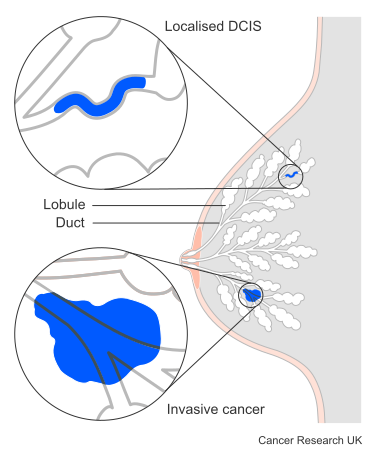
Remember that if your doctor has told you that you have DCIS, you don't have invasive breast cancer.
We have more information about DCIS
Symptoms of invasive breast cancer include:
a new lump or thickening in your breast or armpit
a change in size, shape or feel of your breast
skin changes in the breast such as puckering, dimpling, a rash or redness of the skin
fluid leaking from the nipple in a woman who isn’t pregnant or breastfeeding
changes in the position of nipple
Find out more about the symptoms of breast cancer
Your GP may refer you to a breast clinic if you have any symptoms that could be due to invasive breast cancer. You may also be referred to a breast clinic for tests if your screening mammogram shows an abnormal area.
You usually have a number of tests to check for breast cancer. This includes one or more of the following tests:
a breast examination
a
a breast
taking a sample (biopsy) of tissue from your breast
It's important to know that most people who attend a breast clinic with symptoms do not have breast cancer.
Find out more about the tests for breast cancer
Your doctor will take many different factors into account when deciding which treatment is best for you. This is why your treatment may be different from other people with invasive breast cancer. The factors include:
the type of cells the cancer started in
the size of the cancer and whether it has spread (the stage)
how abnormal the cells look under the microscope (the grade)
whether the cells have for particular cancer drugs
your general health and level of fitness
whether you have had the
There are many different types of treatment that you can have. You might have one or more of them.
You might have chemotherapy or hormone therapy before surgery. This is called neo adjuvant therapy.
The main aim of neo adjuvant therapy is to shrink the cancer before surgery.
You might have breast conserving surgery or a mastectomy.
Breast conserving surgery removes the area of cancer and a surrounding area of healthy tissue. This operation is also called a wide local excision or lumpectomy.
A mastectomy is an operation to remove the whole breast. If you have a mastectomy, you might be able to have a new breast made (breast reconstruction). You might have this at the same time as the mastectomy or some time afterwards.
You may also have surgery to remove the in your armpit. Your surgeon will let you know whether you need this.
After surgery, you may have other treatments. These include:
radiotherapy
chemotherapy
hormone therapy
targeted cancer drugs
drugs that strengthen the bones called bisphosphonates
Find out about treatments for breast cancer
You usually have a mammogram every year, for at least 5 years after treatment.
You might also have regular check ups after treatment for invasive breast cancer. How often you have these depends on your individual situation.
Some hospitals have a system of follow ups where you don't have regular check ups. In this system, you might have regular phone calls with your breast specialist nurse. You can also contact them and arrange an appointment if you have any new symptoms or are worried about anything. This is called supported self management or patient initiated follow up (PIFU).
It’s important to remember to contact your healthcare team if you notice a new symptom or have questions. You can also speak to your GP.
UK guidelines say that everyone who has had treatment for early breast cancer should have a copy of a written care plan. The care plan has information about tests you will have, and signs and symptoms to look out for. It will also include contact details for specialist staff, such as your breast care nurse.
Read more about breast cancer follow up
Invasive breast cancer is the most common type of breast cancer. So most breast cancer research is looking at this type.
Currently, researchers around the world are looking at:
the causes and prevention of breast cancer
screening and diagnosis
new treatments
ways to improve existing treatments
ways to cope with breast cancer and its treatment
Go to Cancer Research UK’s clinical trials database if you are looking for a trial for breast cancer in the UK.
Coping with invasive breast cancer can be difficult. There is help and support available to you and your family.
Last reviewed: 21 May 2026
Next review due: 21 May 2029
Breast cancer is cancer that starts in the breast tissue. It’s the most common cancer in the UK. It mainly affects women, but men can get it too.
You usually start by seeing your GP. Your GP will examine you and may refer you to a specialist breast clinic. Or you may have had breast changes picked up through breast screening.
There are different types of breast cancer and breast conditions, including breast cancer in men, and conditions related to breast cancer.
Treatment for breast cancer depends on a number of factors. The main treatments are surgery, chemotherapy, radiotherapy, hormone therapy, and targeted and immunotherapy drugs.
A mammogram is an x-ray of your breasts. This test helps to diagnose breast cancer and other breast conditions.
Find out about breast cancer, including symptoms, diagnosis, treatment, survival, and how to cope with the effects on your life and relationships.

About Cancer generously supported by Dangoor Education since 2010. Learn more about Dangoor Education


Search our clinical trials database for all cancer trials and studies recruiting in the UK.

Connect with other people affected by cancer and share your experiences.

Questions about cancer? Call freephone 0808 800 40 40 from 9 to 5 - Monday to Friday. Alternatively, you can email us.
