Head and neck cancer
Cancers are treated according to where they start in the body and the type of cell they started from. You can ask your doctor or nurse to write the exact name of your cancer down for you, if you are unsure.
Watch our 2 minute video to find out more about the different parts of the throat.
Throat cancers could be in one of two main areas that doctors call the:
pharynx
head and neck
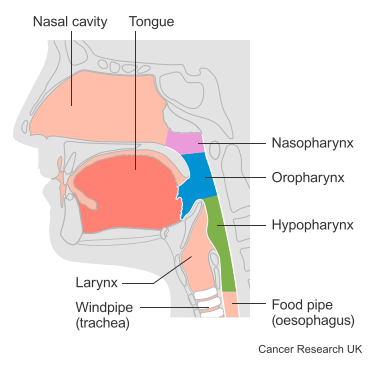
The medical name for the throat is the pharynx. The easiest way to think of this is as a passage, that makes sure food and drink go down the . And air goes up and down the .
There are 3 main parts to the pharynx. They are the:
nasopharynx, which connects the back of the nose to the back of the mouth
oropharynx, which is at the back of the mouth and contains the soft palate, base of the tongue and back wall of the throat (posterior pharyngeal wall)
hypopharynx which connects the oropharynx and nasopharynx to the start of the oesophagus and the trachea via the
Some people may also use throat cancer to mean cancer of the:
thyroid gland, which is at the front of the base of the neck
larynx
oesophagus
trachea
Cancers that start in the head and neck area are often grouped together. Examples of head and neck cancers include the tongue, the nose or the ear.
Most head and neck cancers are . Squamous cells are flat, skin like cells that cover the lining of the mouth, nose, larynx, thyroid, and throat. This type of cancer can spread to in the neck.
Some of the most common head and neck cancers include:
mouth and oropharynx
larynx
oesophagus or gullet
thyroid gland
Find out more about these cancer types
Cancer of the trachea really comes under lung cancer. The trachea branches into 2 smaller tubes called the main bronchi. It is more usual for lung cancer to start here, so it is sometimes called cancer of the bronchus or bronchial cancer.
The symptoms of throat cancer are often similar to symptoms of other much less serious conditions. You can find information about possible symptoms in each of the cancer type sections for this part of the body.
You can also watch our 1 minute video explaining some of the possible symptoms. You should see your doctor if you have any symptoms.
Symptoms might include:
ear pain
a persistent sore throat
a lump in the neck
pain or difficulty swallowing
change in your voice or speech
unexplained weight loss
a cough
shortness of breath
a feeling of something stuck in the throat
persistent sore tongue
ulcers that do not heal or red and white patches in the mouth
We have more information on tests, treatment and support if you have been diagnosed with cancer.
Coping with a diagnosis of a rare cancer can be especially difficult. Being well informed about your cancer and its treatment can help. It can make it easier to make decisions and cope with what happens.
Talking to other people who have the same thing can also help.
Our discussion forum Cancer Chat is a place for anyone affected by cancer. You can share experiences, stories and information with other
You can call our nurse freephone helpline on 0808 800 4040. They are available from Monday to Friday, 9am to 5pm. Or you can send them a question online. Contact our cancer information nurses
The Mouth Cancer Foundation website also has an online support group that offers practical advice and support for people affected by cancers of the head and neck.
Last reviewed: 21 Feb 2025
Next review due: 21 Feb 2028
Mouth cancer can start in the lips, gums or soft sides of your mouth. The oropharynx is the part of the throat (pharynx) just behind the mouth. Cancer starting in the oropharynx is called oropharyngeal cancer.
Laryngeal cancer is cancer that starts in the voice box (larynx). It is a rare type of head and neck cancer
Oesophageal cancer starts in the food pipe, also known as your oesophagus or gullet. The oesophagus is the tube that carries food from your mouth to your stomach.
Thyroid cancer is when abnormal cells in the thyroid gland start to divide and grow in an uncontrolled way.
Rare cancers affect a small number of people. Find out what makes a cancer rare and other information about rare cancer.
Coping with cancer can be difficult. There is help and support available. Find out about the emotional, physical and practical effects of cancer and how to manage them.
This information is written and reviewed by health care professionals. You can find out more about this by reading About our information

About Cancer generously supported by Dangoor Education since 2010. Learn more about Dangoor Education


Search our clinical trials database for all cancer trials and studies recruiting in the UK.

Connect with other people affected by cancer and share your experiences.

Questions about cancer? Call freephone 0808 800 40 40 from 9 to 5 - Monday to Friday. Alternatively, you can email us.
