Coping physically with cancer
Lymphoedema means a build up of that causes swelling in a part of the body. It can develop when lymph fluid isn’t able to drain in the normal way due to problems with the . Lymph collects in an area of the body, causing swelling. Lymphoedema is pronounced lim-fo-dee-ma.
Lymph fluid is in all body tissues. It comes from the tiny blood vessels into the body tissues. Usually, it drains back into the bloodstream through channels called . These are part of the lymphatic system.
A build up of lymph fluid in an area of the body can happen if lymph drainage channels or are blocked, removed or damaged. This causes swelling called lymphoedema.
In some people, lymphoedema can be due to the cancer. Cancer growing near lymph nodes or lymph vessels can block the flow of lymph fluid. In others treatments such as surgery or radiotherapy to the lymph nodes can cause lymphoedema.
Lymphoedema mostly affects the arms or legs. But it can develop in other body areas such as the:
chest or back
abdomen (tummy area)
genitals - areas affected include the vagina and the vulva in women and in men the penis and the testicles
head, neck, or face
breast
armpit
pelvic area (lower tummy)
It is a long-term (chronic) condition. It can’t be cured, but it can usually be well controlled.
The lymphatic system is a system of drainage tubes and lymph nodes that runs throughout the body. Lymph nodes are also known as lymph glands.
The tubes are called lymph vessels or lymphatic vessels. They start as tiny tubes in the body tissues and join up to form bigger lymph vessels in the chest and abdomen.
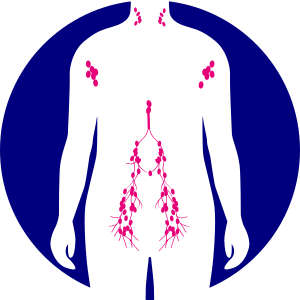
Along the lymph vessels are small bean shaped lymph nodes. The ones you're most likely to know about are under your arm, in your neck and in your groin. You may be able to feel these. But there are also nodes in other areas including your chest, abdomen and pelvis.
The lymphatic system also includes body organs such as the:
tonsils
adenoids

The lymphatic system carries straw coloured fluid called . The lymph drains out from the small blood vessels (capillaries) into the body tissues. It is a one-way drainage system.
Proteins can also move out of the capillaries and the lymph carries them back to the bloodstream. It also drains waste and harmful substances away from body tissues. These include bacteria, viruses and old cells.
When muscles near the lymph vessels contract, they press on the lymph vessels. This helps to push the fluid through the lymphatic system. Some of the larger lymphatic vessels have valves so that the lymph can only flow one way.
Lymph nodes filter the lymph fluid. They also make and store that circulate around the body. White blood cells help fight infections.
The lymph vessels join up into 2 main lymphatic ducts. These are both in the chest. They are:
the thoracic duct
the right lymphatic duct
The thoracic duct drains lymph fluid from:
both legs
the left half of the chest (thorax)
the pelvis and abdomen
the head and neck
the left arm
The right lymphatic duct drains fluid from:
the right half of the chest (thorax)
the head and neck
the right arm
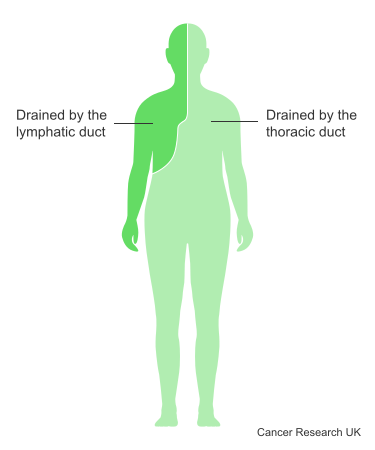
These main ducts then drain into the large blood vessels in the neck, carrying the waste products from the body into the blood. The kidneys filter the blood and get rid of the waste products in the urine.
Knowing how lymph fluid drains helps us to understand how lymphoedema treatment works.
Here is a short 2 minute video explaining how the lymphatic system works.
Read more about lymphoedema treatment
Lymphoedema related to cancer might develop when:
the cancer blocks a or some
you have treatment for cancer to remove lymph nodes or treatment that damages part of the
Cancer treatments that can cause lymphoedema include:
surgery, especially if the surgeon needs to remove lymph nodes during the operation
radiotherapy to treat cancer in the lymph nodes or an area of the body where there are lymph nodes
a combination of surgery and radiotherapy
chemotherapy
targeted cancer drugs
immunotherapy
Not everyone who has cancer or cancer treatment develops lymphoedema. We don’t know exactly how many people will get lymphoedema, so we need more research to find out.
Any cancer that affects the lymph nodes might cause lymphoedema. But more often it is caused by cancer treatments. Researchers are finding out more about what causes lymphoedema all the time.
We know that treatment for some types of cancer is more likely to lead to lymphoedema than other types. They include:
breast cancer in women and men
some women's cancers - including vulval, cervical, or womb cancer
some men's cancers - including penile and prostate cancer
bladder cancer
lymphoma
melanoma skin cancer
head and neck cancer
Lymphoedema is easier to control if treated early. It is important that you are referred to a lymphoedema specialist if you have signs of swelling. This is usually a nurse or physiotherapist.
Find out about the signs and symptoms of lymphoedema
Your doctor or specialist nurse will tell you if your cancer or treatment is likely to increase your risk of lymphoedema. Wherever possible, doctors plan treatment to try to avoid damage to the lymph nodes.
Your risk of lymphoedema may be higher if you have:
surgery to remove the lymph nodes
radiotherapy to the lymph nodes or to an area of the body where there are lymph nodes
complications after surgery to the lymph nodes, such as infection
a build up of fluid near a wound (a seroma) after surgery
or cancer
Scar tissue in the armpit after surgery to the area is called cording. There is some evidence that this might increase the risk of lymphoedema, but more research is needed.
For many types of cancer, doctors remove the lymph nodes closest to the tumour to see if they contain cancer cells. This can help to show if the cancer has spread and whether you need further treatment. But removing the lymph nodes increases the risk of lymphoedema.
For some types of cancer, doctors can do a test called a sentinel lymph node biopsy (SLNB). This is a test to find the first lymph node or nodes that fluid drains to from the area of the cancer.
The doctor checks to see if the sentinel node or nodes contains cancer cells. They use a dye to show up the sentinel lymph nodes and remove them. This is usually under . You might not need treatment to other lymph nodes in the area if there are no cancer cells in the sentinel nodes. This can reduce the need to remove all the lymph nodes and lowers the risk of lymphoedema. your nurse or doctor will explain more about this if a sentinel lymph node biopsy is suitable for you.
Removing the sentinel node or nodes can damage the lymph system and this can still cause lymphoedema. But the risk is lower compared to removing most of the lymph nodes in the area.
Some other factors can increase your risk of lymphoedema, including:
being overweight or weight regularly going up and down
being born with a condition that affects your lymphatic system that puts you at higher risk, this is known as congenital predisposition. An example is Milroy disease
varicose veins or other blood vessel problems in the area of the body where you have cancer treatment
getting a skin infection such as cellulitis in a limb at risk of getting lymphoedema
not being able to move around, because that makes it harder for lymph fluid to move through the lymphatic system
an injury to the lymphatic system, for example, a deep burn
blood clots and deep vein thrombosis (DVT)
Treatments to manage lymphoedema include skin care, exercise, weight management, compression therapy and manual lymphatic drainage (specialised massage).
There are ways to reduce your risk of infection when you have lymphoedema. See your doctor straight away if you think you have an infection. Early treatment is important.
Research helps us to find out more about conditions such as lymphoedema. Researchers are looking at what reduces the risk of developing lymphoedema and different ways of managing it.
Lymphoedema can affect you emotionally, physically, and practically. There are ways that you can help yourself and you can also get support from other people.
There are lots of organisations, support groups and helpful books to help you cope with lymphoedema caused by cancer or its treatment.
Last reviewed: 15 May 2026
Next review due: 15 May 2029

About Cancer generously supported by Dangoor Education since 2010. Learn more about Dangoor Education


Search our clinical trials database for all cancer trials and studies recruiting in the UK.

Connect with other people affected by cancer and share your experiences.

Questions about cancer? Call freephone 0808 800 40 40 from 9 to 5 - Monday to Friday. Alternatively, you can email us.
