Coping physically
Hiccups can happen when you get a spasm in your between normal breaths. You can’t control the spasm and hiccups usually go away on their own. But when hiccups are a symptom of cancer, or a side effect of cancer treatment, they can go on for longer. This makes them tiring and difficult to cope with.
Your diaphragm is the dome shaped muscle under your ribcage. It helps to pull air into your lungs by pulling downwards as you breathe in. When you breathe out, your diaphragm pushes upwards.
But when you hiccup, 2 things happen:
your diaphragm contracts and pulls down between your normal breaths, sucking air in
immediately after this, the top of the windpipe (trachea) closes briefly, to stop more air getting in - this makes the 'hic' sound
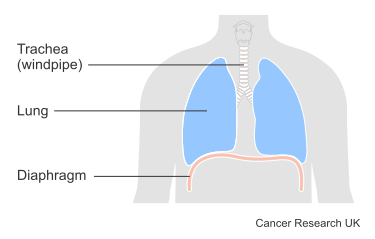
We don’t know the exact cause of hiccups. It might happen if the nerve that controls the diaphragm (the phrenic nerve) is irritated.
Things that might trigger hiccups include:
eating and drinking too quickly, particularly gulping fizzy drinks
over eating
heartburn
stress
sudden changes in air temperature
over stretching your neck
certain drugs, such as medicines to treat anxiety (benzodiazepines)
alcohol
But if you have cancer you might also get hiccups if:
your stomach stops working and becomes extended and bloated
you have an infection affecting your chest or food pipe (oesophagus)
you are having chemotherapy, steroids or an opioid painkiller such as morphine
the cancer is pressing on your diaphragm
you have symptoms because of a brain tumour
your kidneys are not working normally and your blood chemistry changes
you have high blood calcium levels (hypercalcaemia)
you have cancer affecting the liver, oesophagus or pancreas
Hiccups normally go away on their own. But if your hiccups are troublesome and last more than a few days, it is important you talk to the team caring for you about them. They will want to find out if there is reason for them so that they can try to help you.
Having hiccups for a few days or more can be difficult to cope with. They can make you feel anxious and depressed. They can affect your:
ability to eat and drink
concentration and sleep
ability to talk
Healthcare professionals divide hiccups into groups depending on how long you have them. You might have:
acute hiccups which can last from a few minutes to a few hours
persistent hiccups which usually last more than 48 hours
intractable hiccups which usually last more than one month
Most people find that their hiccups go away either on their own or by trying one of the following suggestions:
gargling or drinking ice water
eating a piece of dry bread slowly
drinking water from the far side of a glass – you will need to be able to bend over to do this
taking a deep breath, holding it for as long as you can and repeating this several times
sucking on a lemon
drinking peppermint water
pulling your knees up to your chest
breathing in and out of a paper bag (not a plastic one and don’t do this for any longer than 1 minute)
Some hiccups can last for more than a couple of days. If they last this long you may need medical treatment.
Your doctor will try to find out what is causing your hiccups. They will treat the cause if they find it. For example, the hiccups may go away if your doctor changes one of the drugs you take.
Your doctor may treat the hiccups directly. Drugs they might use include:
the anti sickness drug metoclopramide (Maxolon)
a mild sedative, such as haloperidol or chlorpromazine
a drug to relax your muscles such as baclofen
a proton pump inhibitor such as omeprazole
Doctors will try one drug for a short time to see if it is helpful and stops the hiccups. If the hiccups start again they may use a different drug or a combination of drugs until they stop completely.
Last reviewed: 24 Feb 2026
Next review due: 24 Feb 2029
Find out about managing cancer symptoms and possible side effects from cancer treatment. There is information about pain, sickness, diet problems and much more.
Coping with cancer can be difficult. There is help and support available. Find out about the emotional, physical and practical effects of cancer and how to manage them.
Search for the cancer type you want to find out about. Each section has detailed information about symptoms, diagnosis, treatment, research and coping with cancer.



