Causes of cancer
Research has shown that things like stopping smoking, keeping a healthy weight, staying safe in the sun, cutting down on alcohol and eating a healthy, balanced diet can reduce the risk of cancer.
By making healthy changes now, you can make a difference to your health in the future. And it's never too late to start making healthy changes.
Use this page to explore six things that are proven to reduce cancer risk.
And remember, you can talk to your doctor if you’re worried about your cancer risk.
There are no guarantees when it comes to cancer, but making healthy changes does help reduce your risk.
A person's risk of cancer depends on many different things. This includes things we can't change, like getting older and our genetics. As well as exposure to cancer risk factors.
The world around us also affects how healthy we are, like whether we can access healthier food options or have opportunities for exercising. These challenges can impact some people more than others. While there are things we can do to help us form healthy habits, we also need the government to help make it easier for everyone to be healthy.
Not smoking is the best thing you can do to reduce your risk of cancer, as smoking is the biggest cause of cancer. Harmful chemicals in cigarette smoke damage the cells in our body. If you smoke, stopping completely is the best thing you can do for your health and there are many tools to help you quit.
Find out more about stopping smoking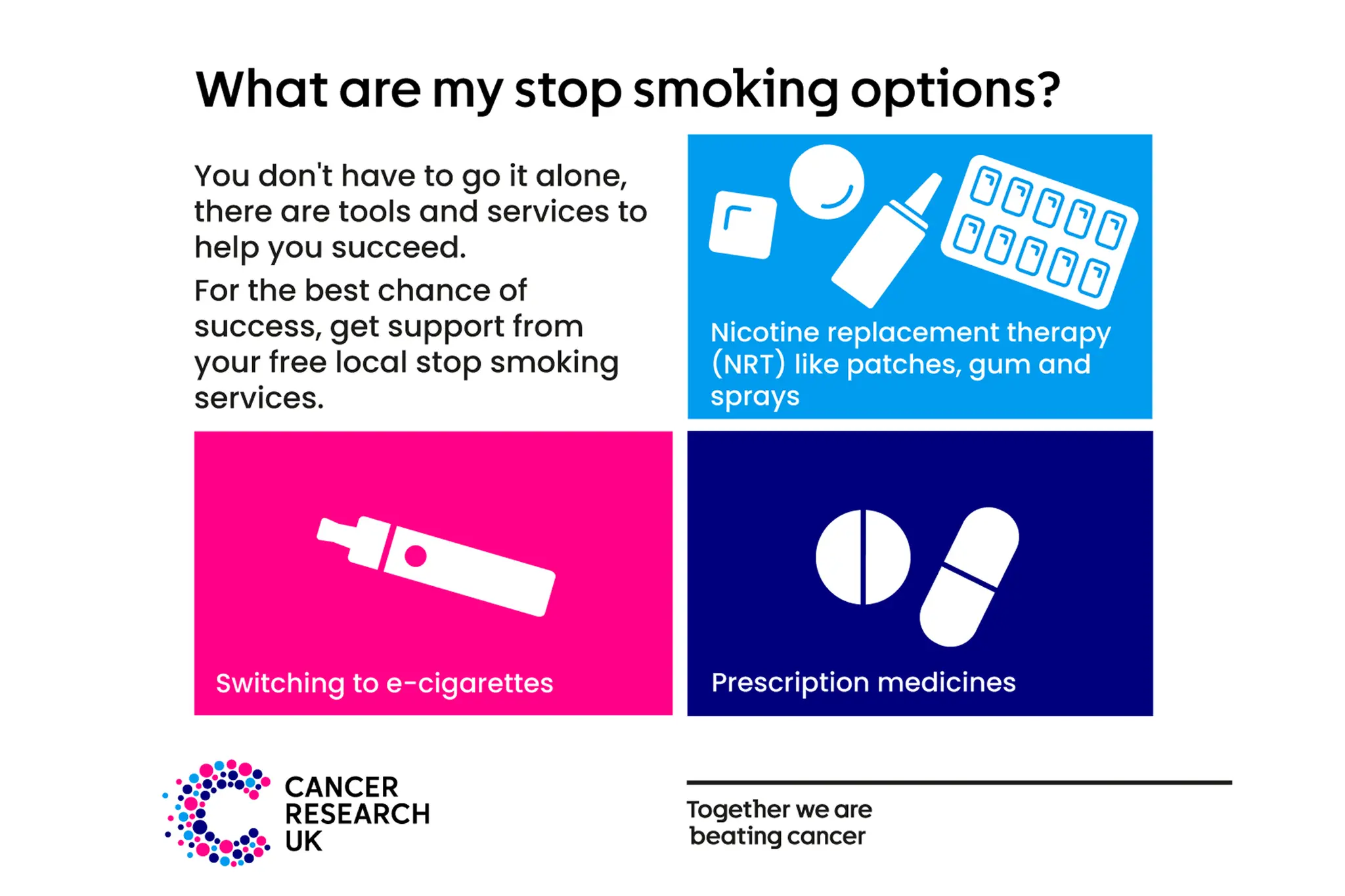
Being a healthy weight has lots of health benefits, including reducing the risk of at least 13 different types of cancer. But the world around us can make this difficult, which is why the government needs to help too.
Find out more about keeping a healthy weightBeing safe in the sun reduces the risk of skin cancer. Too much UV radiation from the sun or sunbeds damages our skin cells. When the sun is strong, protect your skin by spending time in the shade, covering up with clothing, and applying sunscreen regularly and generously.
Find out more about staying safe in the sun
Cutting down on alcohol reduces your risk of 7 types of cancer. It doesn't matter what type it is - all alcohol can cause damage. Whatever your drinking habits, the less you drink the lower your risk of cancer.
Find out more about cutting down on alcoholHaving a healthy, balanced diet can help reduce your risk of cancer. Aim to have plenty of fruit and vegetables, foods high in fibre like wholegrains, and healthy proteins. Cut down on processed and red meat, alcohol and high calorie foods and drinks.
Find out more about eating a healthy diet
The HPV vaccine helps to prevent cancer by protecting against human papillomavirus (HPV). HPV increases the risk of some types of cancer and causes almost all cases of cervical cancer. The HPV vaccine is offered for free to children aged 11-13, and some other groups.
Find out more about HPV and cancerDNA is a set of instructions inside our cells that tells them how to behave. Cancer is caused by damage to our DNA that has built up over time.
Things like smoking, too much UV radiation and drinking alcohol can cause damage to our cells, which can lead to cancer.
Find out about what cancer is and how it startsLast reviewed: 11 Apr 2025
Next review due: 11 Apr 2028


Questions about cancer? Call freephone 0808 800 40 40 from 9 to 5 - Monday to Friday. Alternatively, you can email us.
