Treatment
Radiotherapy treatment works by damaging the genetic code (DNA) within cancer cells. DNA controls how the body's cells behave. Damaging the DNA in the cancer cells destroys them.
You have a type of radiotherapy called external radiotherapy for pancreatic cancer. External radiotherapy uses a machine outside the body to direct radiation beams at the cancer. Doctors use different types of external radiotherapy for pancreatic cancer.
You might have radiotherapy to:
reduce the size of the cancer so that surgery might be possible
shrink and control the cancer for as long as possible
help relieve symptoms such as pain or bleeding
You might have radiotherapy on its own. This is usually a types of radiotherapy called stereotactic body radiotherapy (SBRT). Or you might have radiotherapy combined with chemotherapy. Doctors call this chemoradiotherapy.
Your healthcare team explain the type of radiotherapy treatment you will be having.
You might have SBRT for locally advanced or borderline resectable pancreatic cancer. This means the cancer is in the pancreas and has started to involve the nearby blood vessels.
SBRT gives radiotherapy from many different positions around the body. The beams meet at the cancer. This means it gets a high amount (dose) of radiation and the surrounding tissues get a low dose. This reduces the risk of side effects.
Find out more about stereotactic body radiotherapy
Having chemotherapy at the same time as radiotherapy helps it to work better. But it can also increase side effects. For chemoradiotherapy you usually have the chemotherapy drug capecitabine.
In many hospitals, chemoradiotherapy has been replaced by stereotactic body radiotherapy. But this isn’t available everywhere.
Doctors call a single dose of radiotherapy a fraction. You have 1 fraction each time you have radiotherapy. Doctors call this a session.
Radiotherapy treatment is usually given Monday to Friday. You might have radiotherapy as a:
single fraction – this is the same as 1 session
series of sessions over a few days or weeks - this is called a course of radiotherapy
You usually have SBRT if it’s available in your hospital. SBRT doesn’t start until at least 2 weeks after you have finished chemotherapy. You don’t have chemotherapy at the same time.
You usually have up to 5 sessions of SBRT. This could be every weekday over 1 week. Or alternate week days over 2 weeks.
About 6 to 8 weeks after the SBRT, your doctor asks you to have a CT scan. This is so they can check how well the radiotherapy has worked. Some people with locally advanced pancreatic cancer may be able to go on to have surgery to remove the cancer.
Your doctor might recommend a course of external radiotherapy over several weeks. If you have it with chemotherapy, the treatment course can be between 3 and 7 weeks.
Your doctor or nurse will explain what days you have chemotherapy and what days you have radiotherapy.
Radiotherapy to relieve the symptoms of cancer is called palliative radiotherapy. You often have fewer fractions and sometimes you may only have one. Your doctor talks with you about how many you need.
Palliative radiotherapy has fewer side effects than if you have radiotherapy to shrink or control the cancer. This is because lower doses of radiation are used.
You might have palliative radiotherapy to help control pain. Or you might have it if the cancer is causing bleeding into the first part of your small bowel (duodenum).
The radiotherapy team plan your external radiotherapy before you start treatment. This means working out the dose of radiotherapy you need and exactly where you need it.
Your planning appointment takes from 15 minutes to 2 hours.
You usually have a planning CT scan in the radiotherapy department as part of your appointment. Your radiotherapy team might ask you not to have anything to eat or drink for 2 hours before the scan. You may also have to do this before each treatment.
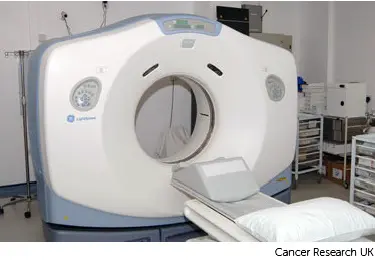
The scan shows the cancer and the area around it. You might have other types of scans or x-rays to help your treatment team plan your radiotherapy. The plan they create is just for you.
Your radiographers tell you what is going to happen. They help you into position on the scan couch.
The CT scanner couch is the same type of bed that you lie on for your treatment sessions. You need to lie very still. Tell your radiographers if you aren't comfortable.
You might need an injection of dye (contrast) into a vein. This is through a small tube that goes into the back of your hand. It’s called a cannula. The contrast helps body tissues show up more clearly on the scan.
Sometimes you might have the contrast as a drink.
Before you have the contrast, your radiographer asks you about any medical conditions or allergies. Some people are allergic to the contrast.
Once you are in position your radiographers put some markers on your skin. They move the couch up and through the scanner. They then leave the room and the scan starts.
The scan takes about 5 minutes. You won't feel anything. Your radiographers can see and hear you from the CT control area where they operate the scanner.
The radiographers make pin point sized tattoo marks on your skin. They use these marks to line you up into the same position every day. The tattoos make sure they treat exactly the same area for all of your treatments. They may also draw marks around the tattoos with a permanent ink pen, so that they are clear to see when the lights are low.

The radiotherapy staff tell you how to look after the markings. The pen marks might start to rub off in time, but the tattoos won’t. Tell your radiographer if that happens. Don't try to redraw them yourself.
You might have to wait a few days or weeks before you start treatment.
During this time the and your radiotherapy doctor (clinical oncologist) decide the final details of your radiotherapy plan. They make sure that the cancer will receive a high dose and nearby areas receive a low dose. This lowers the side effects you might get during and after treatment.
Read more about radiotherapy planning
Radiotherapy machines are very big and could make you feel nervous when you see them for the first time. The machine might be fixed in one position. Or it might rotate around your body to give treatment from different directions. The machine doesn't touch you at any point.
Before your first treatment, your will explain what you will see and hear. In some departments, the treatment rooms have docks for you to plug in your phone or personal device. So you might be able to listen to an audiobook, a podcast or music during the treatment.

The radiographers help you to get onto the treatment couch. You might need to raise your arms over your head.
The radiographers line up the radiotherapy machine using the marks on your body. Once you are in the right position, they leave the room.
You need to lie very still. Your radiographers might take images (x-rays or scans) before your treatment. This is to make sure that you're in the right position. The machine makes whirring and beeping sounds. You won’t feel anything when you have the treatment.
Your radiographers can see and hear you on a CCTV screen in the next room. They can talk to you over an intercom and might ask you to hold your breath or take shallow breaths at times. You can also talk to them through the intercom or raise your hand if you need to stop or if you're uncomfortable.
This type of radiotherapy won't make you radioactive. It's safe to be around other people, including pregnant women and children.
You might have to travel a long way each day for your radiotherapy. This depends on where your nearest cancer centre is. This can make you very tired, especially if you have side effects from the treatment.
You can ask your radiographers for an appointment time to suit you. They will do their best, but some departments might be very busy. Some radiotherapy departments are open from 7 am till 9 pm.
Car parking can be difficult at hospitals. Ask the radiotherapy staff if you are able to get free parking or discounted parking. They may be able to give you tips on free places to park nearby.
Hospital transport may be available if you have no other way to get to the hospital. But it might not always be at convenient times. It is usually for people who struggle to use public transport. Or who have any other illnesses or disabilities. You might need to arrange hospital transport yourself.
Some people are able to claim back a refund for healthcare travel costs. This is based on the type of appointment and whether you claim certain benefits. Ask the radiotherapy staff for more information about this and hospital transport.
Some hospitals have their own drivers and local charities might offer hospital transport. So do ask if any help is available in your area.
Radiotherapy for pancreatic cancer can cause side effects. You may have very few side effects, or you may have several. Side effects can depend on:
how long you have radiotherapy for
if you have it with other treatments such as chemotherapy
what tissues and organs the radiotherapy beam goes through to reach the cancer
Side effects tend to start a week after the radiotherapy begins. They gradually get worse during the treatment and for a couple of weeks after the treatment ends. But they usually begin to improve after around 2 weeks or so.
Some of the side effects of radiotherapy for pancreatic cancer include:
You might feel tired during your treatment. It tends to get worse as the treatment goes on. You might also feel weak and lack energy. Rest when you need to.
Tiredness can carry on for some weeks after the treatment has ended. But it usually improves gradually.
Various things can help you to reduce tiredness and cope with it. Some research has shown that taking gentle exercise can give you more energy. It's important to balance exercise with resting. So ask your healthcare team for advice about exercising in your situation.
Get tips for coping with tiredness
You might feel sick at times. You can have anti sickness medicines. Let your treatment team know if you still feel sick, as they can give you another type.
Feeling or being sick can also make you lose your appetite
Find out about ways of controlling sickness
Radiotherapy can inflame the lining of your bowel. This can cause diarrhoea. You may also have:
griping or cramping pain
an increase in wind
feeling you need to go to the toilet urgently
It’s important to drink plenty if you have diarrhoea, so you don't become dehydrated. Your doctor might prescribe tablets to help slow down your bowel if you need them. This should help to reduce the number of times you have diarrhoea.
Changing your diet might also help lessen the number of times you need to go. This might include reducing the amount of fibre if you have been having a lot. Ask your nurse or doctor about this.
Also ask your nurse or radiographer for soothing creams to apply around your back passage (anus). The skin in that area can get very sore and might break if you have severe diarrhoea.
Diarrhoea should gradually get better a few weeks after your treatment has finished. Let your doctor or nurse know if it continues.
Read more about diarrhoea after radiotherapy
Your skin might go red or darker in the treatment area. You might also get slight redness or darkening on the other side of your body. This is where the radiotherapy beams leave the body.
The red or darker areas can feel sore. This may start after you have completed your radiotherapy treatment. Your radiographers may give you creams to soothe your skin. The soreness usually goes away within 2 to 4 weeks of ending the treatment. But your skin might always be slightly darker in that area.
The hair in that area might also fall out and may not grow back.
Find out more about radiotherapy and your skin
The following video talks about the general side effects of radiotherapy. This video is around 8 minutes.
Last reviewed: 18 Aug 2026
Next review due: 18 Aug 2029
Radiotherapy can cause a range of side effects, including tiredness and sore skin in the treatment area. Find out more about the general side effects of radiotherapy.
Chemotherapy is one of the main treatments for pancreatic cancer. There are different chemotherapy drugs and combinations you might have. Which ones you have depends on factors including how fit and well you are and what treatment you have had before.
Stereotactic radiotherapy is a way of giving radiotherapy to a tumour from different directions. This makes it easier to avoid healthy tissue.
Your treatment depends on the position of the cancer in the pancreas, how big it is, the type of pancreatic cancer, whether it has spread, if they can remove it with surgery and your general health.
Researchers around the world are looking into pancreatic cancer. They want to find out how its starts, what helps it grow and new tests and treatments.
Pancreatic cancer is cancer that starts in the pancreas. Find out about the pancreas and how it works.

About Cancer generously supported by Dangoor Education since 2010. Learn more about Dangoor Education


Search our clinical trials database for all cancer trials and studies recruiting in the UK.

Connect with other people affected by cancer and share your experiences.

Questions about cancer? Call freephone 0808 800 40 40 from 9 to 5 - Monday to Friday. Alternatively, you can email us.
